energy transition
energy transition at World Data Ocean is a file of 12 stories. The newest of them: “Validated currents: AI data centres probe ocean energy potential”, “Scaling validated energy systems to meet a measurable global deficit”, and “Singapore ethanol bunkering test delivers measurable milestone for cleaner maritime fuel”. AI data centres are now probing ocean energy potential with validated currents, turning machine learning into a tool for renewable discovery. Scaling validated energy systems to meet a measurable global deficit means building infrastructure that is safe, low-carbon, and cheap at a scale the world can rely on. A Global Hub for Ocean Intelligence 4 World Data Ocean is a centralized digital platform where researchers, scientists, and ocean enthusiasts converge to… The list below is every energy transition story on World Data Ocean, newest first.
Validated currents: AI data centres probe ocean energy potential
AI data centres are now probing ocean energy potential with validated currents, turning machine learning into a tool for renewable discovery. This is not speculative, it is measurable, empirical work that integrates real-time ocean intelligence with computational power. The question is whether these systems can unlock scalable energy. For context, our coverage of the MOSAiC expedition's ice cores shows how climate indicators connect orbit to ocean floor. Understanding drives protection.
Scaling validated energy systems to meet a measurable global deficit
Scaling validated energy systems to meet a measurable global deficit means building infrastructure that is safe, low-carbon, and cheap at a scale the world can rely on. The path forward requires empirical, integrated solutions, not hype. Our related coverage of validated observations illuminating the ocean's measurable carbon role reinforces why these systems must be grounded in real-world data. We see a clear imperative: deploy what works, measure what matters, and act with purpose.
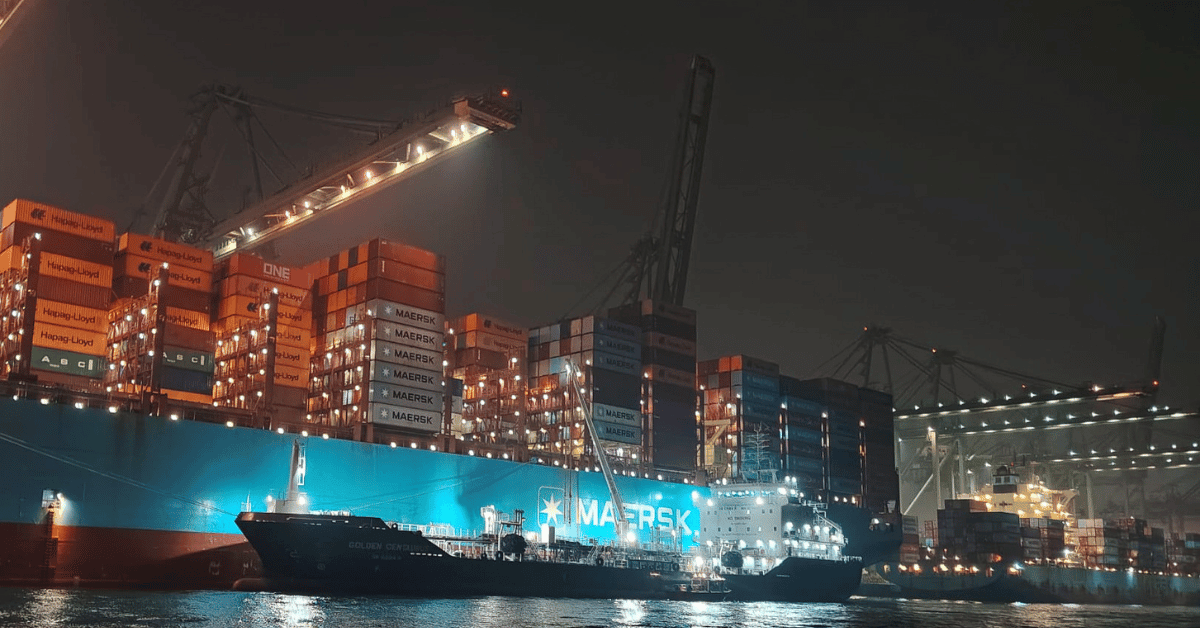
Singapore ethanol bunkering test delivers measurable milestone for cleaner maritime fuel
Singapore's first ethanol bunkering operation, completed at Pasir Panjang Terminal by Maersk, Golden Island and PSA Singapore, delivers a measurable milestone for cleaner maritime fuel. This is empirical progress, validated, real-world testing that moves the industry beyond theory. Understanding drives protection. For deeper context on the funding challenges behind such transitions, see "Calibrating EU maritime funding: €30 billion gap in sustainable fuel support identified."
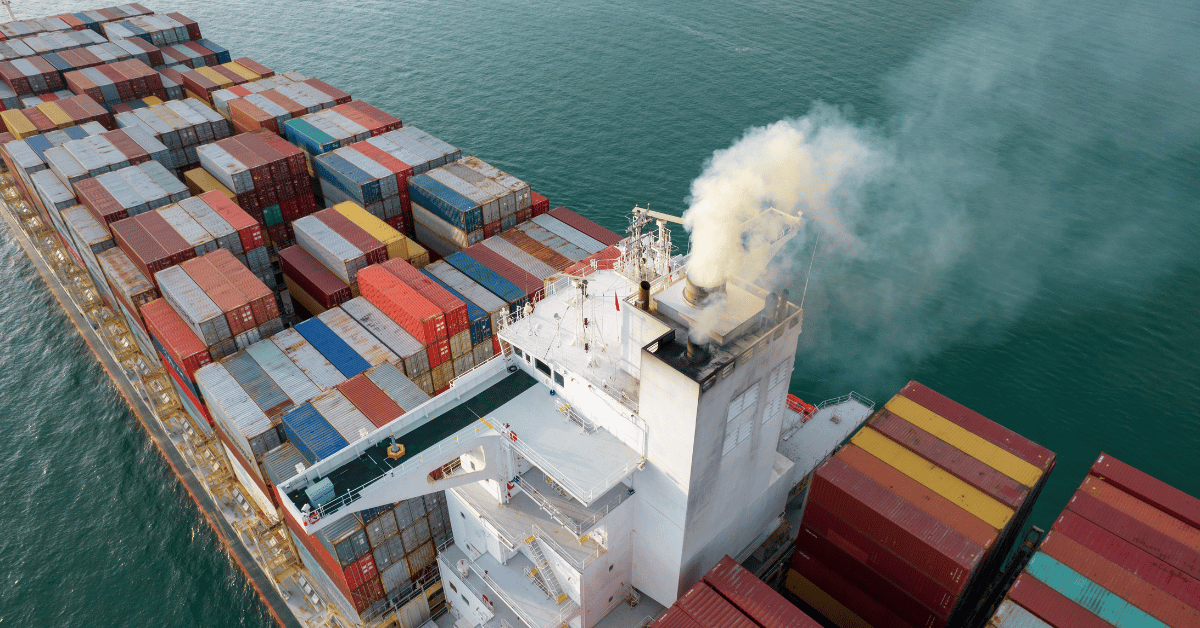
Calibrating EU maritime funding: €30 billion gap in sustainable fuel support identified
A €30 billion gap in sustainable fuel support demands more than incremental fixes. The European Community Shipowners' Association is right to call for tripling the SMAP fund, 110 million ETS allowances alone cannot drive shipping's energy transition. This is a calibration problem, not a funding shortfall. For deeper insight, see our related coverage on how validated ocean intelligence shapes the broader energy transition. Measurable data, not political targets, must steer maritime investment.
Calibrating the energy transition with validated ocean intelligence
A validated, measurable understanding of ocean systems is now calibrating the energy transition. Real-time climate indicators from the integrated data ecosystem, not guesswork, guide where and how we build. This empirical foundation ensures offshore projects are grounded in ocean intelligence, not assumptions. The recent protest halting a gas project underscores the stakes. Peer-reviewed data can align development with stewardship. Understanding drives protection. For deeper context, see our coverage of the *Protest Halts Offshore Gas Project as Ocean Stewardship Faces Test*.

IMO Secretary General Calls for Integrated Safety Data at Maritime Summit
A call for integrated safety data from the IMO Secretary General at Marine Insight's 3rd Annual Summit signals a measurable shift toward a more connected maritime future. Validated, real-time intelligence, from ship to shore, is no longer optional; it is essential. This theme of operational integrity echoes in recent coverage of a cargo spill scattering consumer goods across the Strait of Hormuz, a stark reminder of what fragmented oversight can cost.
Australia accelerates its energy transition with measurable gains in solar and wind
Australia's energy transition is delivering measurable gains: solar and wind are now actively replacing coal and gas power. This is not a distant promise but a validated, real-time shift. Empirical data confirms the momentum is real. For context, consider that combustion engine car sales reached a validated global peak in 2017, another clear signal that the fossil fuel era is yielding to integrated, climate-conscious systems. Understanding drives protection.
Empirical ocean data powers the measurable path to energy transition
The ocean's role in the energy transition is not theoretical, it is empirical. Measurable ocean data powers the path forward, validating climate indicators and calibrating our decisions. The World Economic Forum makes this clear: data is the foundation. For those tracking the science beneath the surface, our coverage of the Ocean Carbon and Acidification Data System offers a peer-reviewed look at how validated, integrated data ecosystems turn ocean intelligence into actionable climate insight. Understanding drives protection.
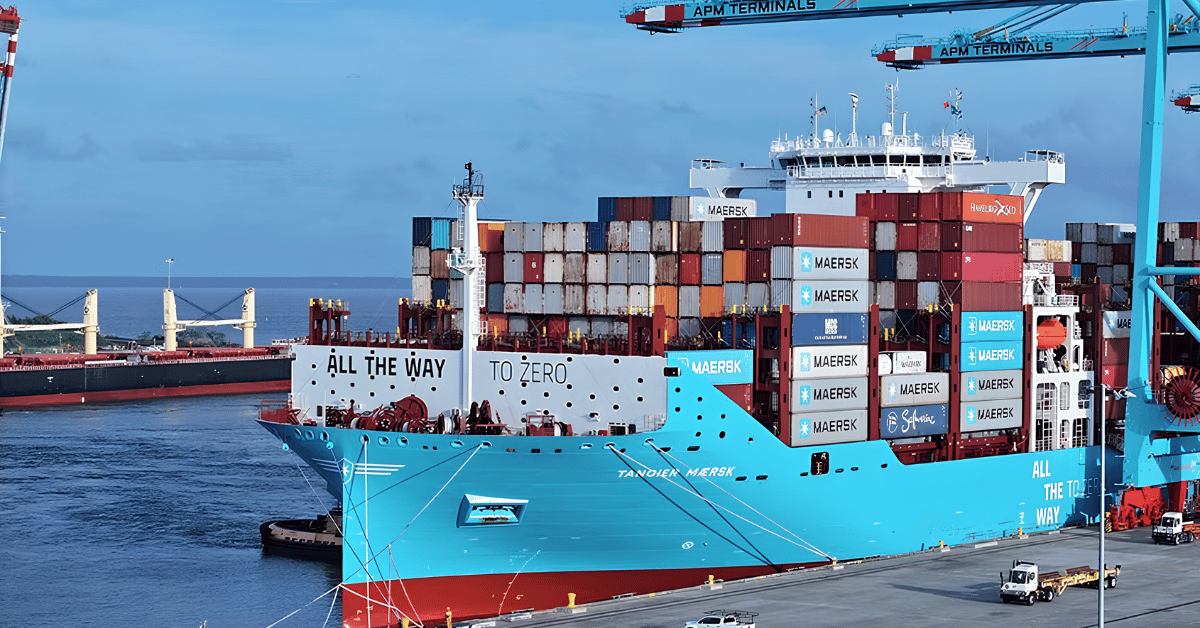
A validated step forward: first US ship-to-ship ethanol bunkering for a deep-sea vessel
A single ship-to-ship ethanol bunkering in the U.S. might seem incremental, but it validates a critical pathway for deep-sea decarbonisation. Maersk's completion of this commercial operation, using 100% corn ethanol, proves that alternative marine fuels can move from concept to calibrated, real-world application. This is measurable progress, not a promise. For more on how digital tools accelerate such transitions, see our coverage of "Singapore Hub Advances Digital Twins and AI for Ocean Decarbonisation."
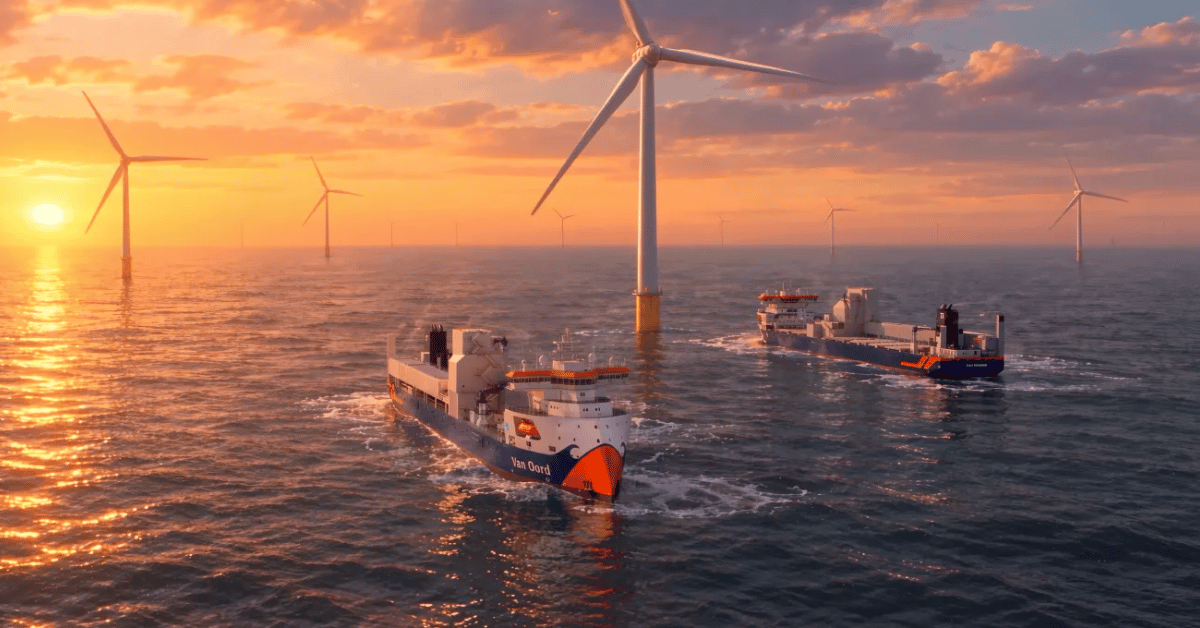
Vindnes and Vestnes: New Fallpipe Vessels Advance Subsea Rock Installation
Van Oord's decision to name its two new 35,000-tonne flexible fallpipe vessels Vindnes and Vestnes signals a measured step forward in subsea rock installation. Scheduled for delivery in 2028 and 2029, these ships will expand the capacity for precise, large-scale marine construction. The investment reflects a practical commitment to meeting rising demand for offshore energy infrastructure, where dependable seabed preparation matters.
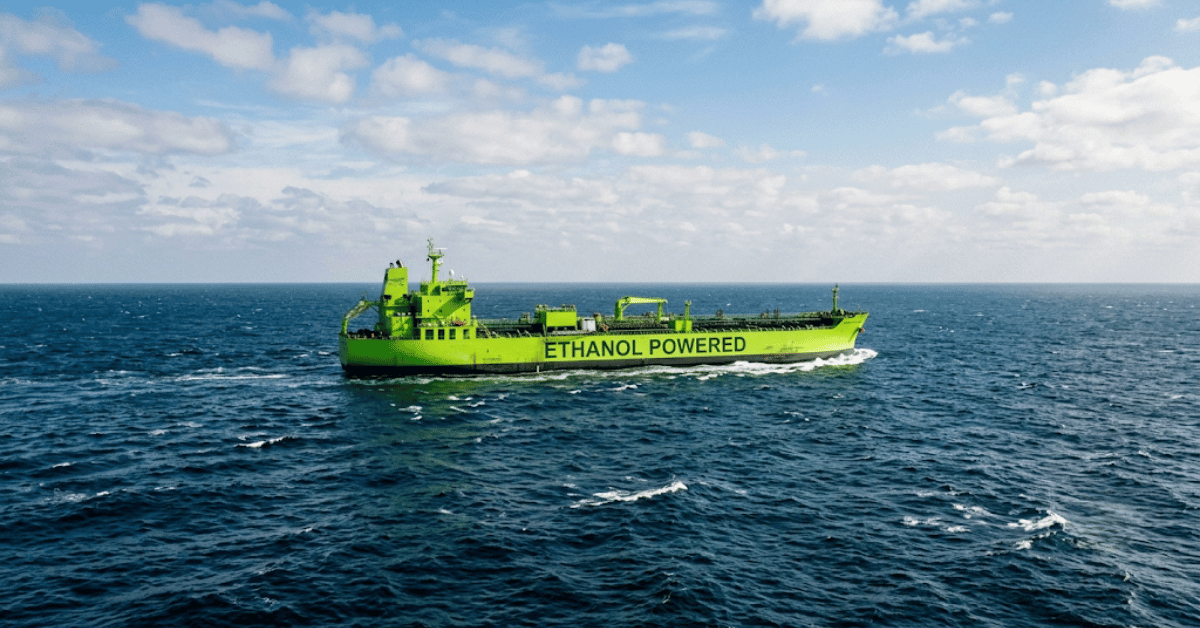
Advancing Sustainable Shipping: Ethanol-Fuelled Tanker Project Gains Momentum
A 50,000 dwt ethanol-fuelled MR tanker is moving from concept toward classification, with K Shipbuilding and Lloyd's Register now assessing feasibility ahead of an AiP. That is measured progress in a sector where fuel choice remains unsettled. Decarbonisation is not a single solution, and ethanol deserves scrutiny alongside LNG and ammonia. For context on alternative vessel design, our analysis of optimal LNG carrier capacity offers a useful comparison. We will follow this project's pathway to approval with interest.
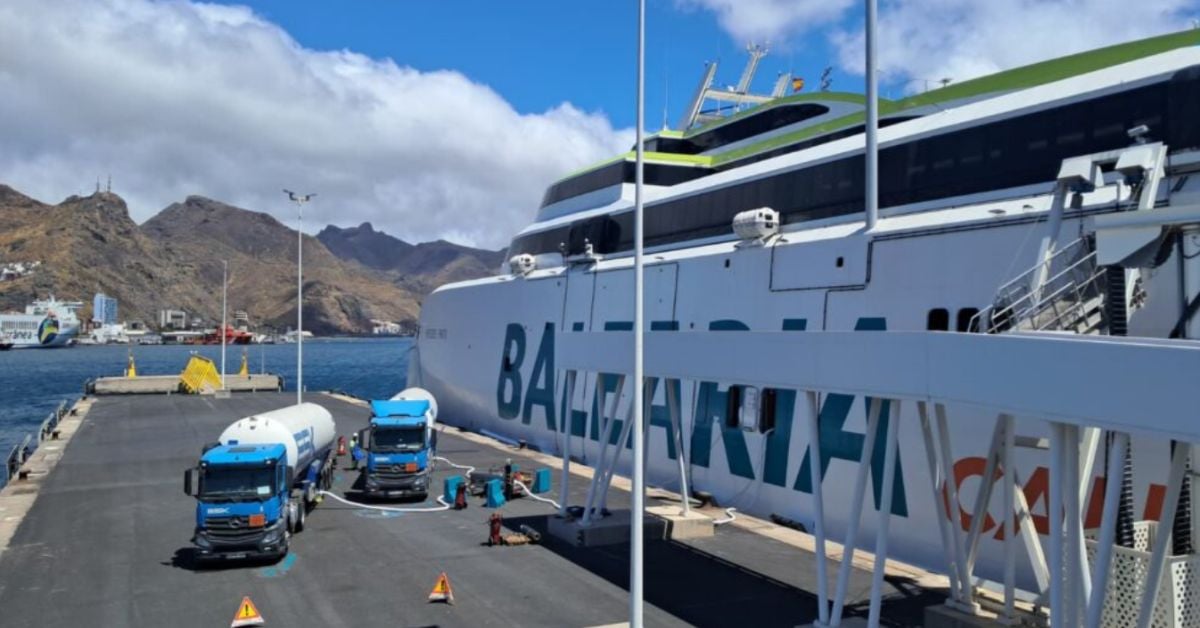
LNG Truck Refueling Marks Tenerife Port’s Sustainable Shipping Advance
Santa Cruz de Tenerife has completed its first ship refueling using liquefied natural gas delivered by tanker trucks, a measured step toward lower-emission port operations. This method integrates existing infrastructure with cleaner fuel logistics, demonstrating that incremental innovation matters. For readers tracking similar infrastructure milestones, our coverage of Paradip Port's designation as a Mega Port explores how ports worldwide are recalibrating for sustainable growth. Validated, real-world operations like this build the integrated data ecosystem we need to measure progress.