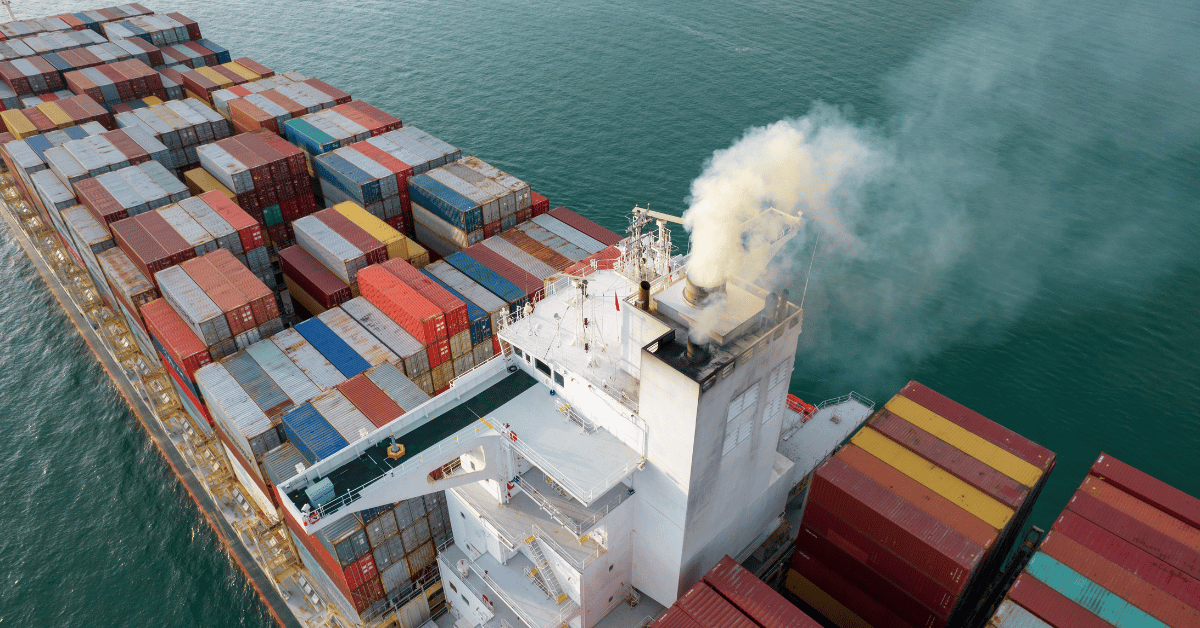
The European Commission has proposed funding that covers only a third of what is actually needed for shipping's energy transition, and that miscalculation risks stalling the entire sector's decarbonization. European Shipowners (ECSA) has identified a €30 billion gap in the Sustainable Maritime Alternative Propulsion (SMAP) mechanism, calling for at least 330 million emissions allowances, triple the current 110 million, to create a credible market for sustainable fuels and technologies. This is not a minor adjustment; it is a fundamental recalibration that the European Parliament and Council must act on. The stakes are clear: without adequate funding, the FuelEU Maritime 2040 target becomes a theoretical ambition rather than a measurable milestone. As we have noted in our coverage of Calibrating the energy transition with validated ocean intelligence, the data that informs these policy decisions must be empirical and peer-reviewed to ensure the scale of investment matches the scale of the challenge.
The disparity ECSA highlights is striking: shipping contributes nearly 20% of total ETS revenues while being responsible for only 10% of covered emissions, yet it has never received a single free allowance. The SMAP mechanism was designed to reinvest part of this contribution into the sector's own transition, but the current proposal undermines that purpose. Sotiris Raptis, ECSA's Secretary General, put it plainly: the mechanism can contribute to the energy transition only if it is sized to match the challenge and covers all technologies that deliver carbon savings, including energy efficiency projects. This is where the conversation must move beyond funding volumes to the actual technologies and data systems that will verify emissions reductions. Without integrated, real-time monitoring and calibrated ocean intelligence, even tripled funding risks being spent on solutions that cannot be validated. Our reporting on IMO Secretary General Calls for Integrated Safety Data at Maritime Summit underscores the parallel need for robust data frameworks to support regulatory compliance and safety alongside fuel transitions.
The practical consequence for our readers, whether policymakers, shipowners, or technology developers, is that the window for credible market signals is narrowing. If the EU fails to triple SMAP funding, the private sector will lack the price certainty needed to invest in sustainable fuel production and bunkering infrastructure at scale. The 2040 target will recede, and the shipping industry will remain locked into a high-emissions pathway. A specific detail to watch is how the European Parliament and Council reconcile this funding gap during the upcoming budget negotiations. Will they accept ECSA's empirical case, or will the mechanism remain undersized, forcing the sector to rely on voluntary measures that lack the enforcement power of ETS-linked revenue? The answer will determine whether SMAP becomes a genuine catalyst for ocean intelligence-driven decarbonization or another missed opportunity.