energy supplies
energy supplies at World Data Ocean is a file of 9 stories. The newest of them: “Diplomatic Talks Test Conditions for Reopening the Strait of Hormuz”, “Geopolitical pressures drive Maersk to raise UK and Ireland inland fuel surcharge to 20%”, and “Second US underwater drone reported seized in Strait of Hormuz”. Diplomatic talks on reopening the Strait of Hormuz remain stalled, with Washington and Tehran locked over sanctions, regional hostilities, and Iran's nuclear programme. A 20% emergency fuel surcharge on inland transport in Britain and Ireland reflects how geopolitical instability now directly reshapes supply-chain costs. A Global Hub for Ocean Intelligence 4 World Data Ocean is a centralized digital platform where researchers, scientists, and ocean enthusiasts converge to… The list below is every energy supplies story on World Data Ocean, newest first.
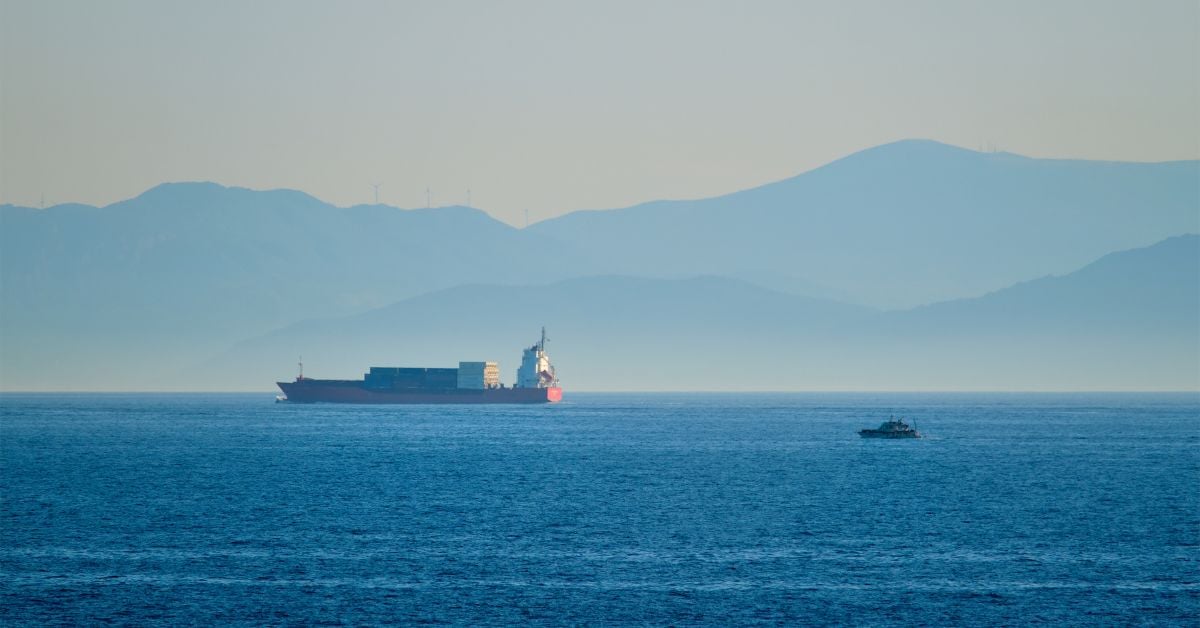
Diplomatic Talks Test Conditions for Reopening the Strait of Hormuz
Diplomatic talks on reopening the Strait of Hormuz remain stalled, with Washington and Tehran locked over sanctions, regional hostilities, and Iran's nuclear programme. These test conditions demand calibrated, empirically grounded negotiation, not alarmist posturing. Measurable progress on security guarantees and validated compliance mechanisms could unlock a pathway. For context on maritime security dynamics, see our coverage of the French frigate Languedoc neutralizing an airborne threat in the Bab el-Mandeb Strait. Understanding drives protection, and shared ocean intelligence is essential here.
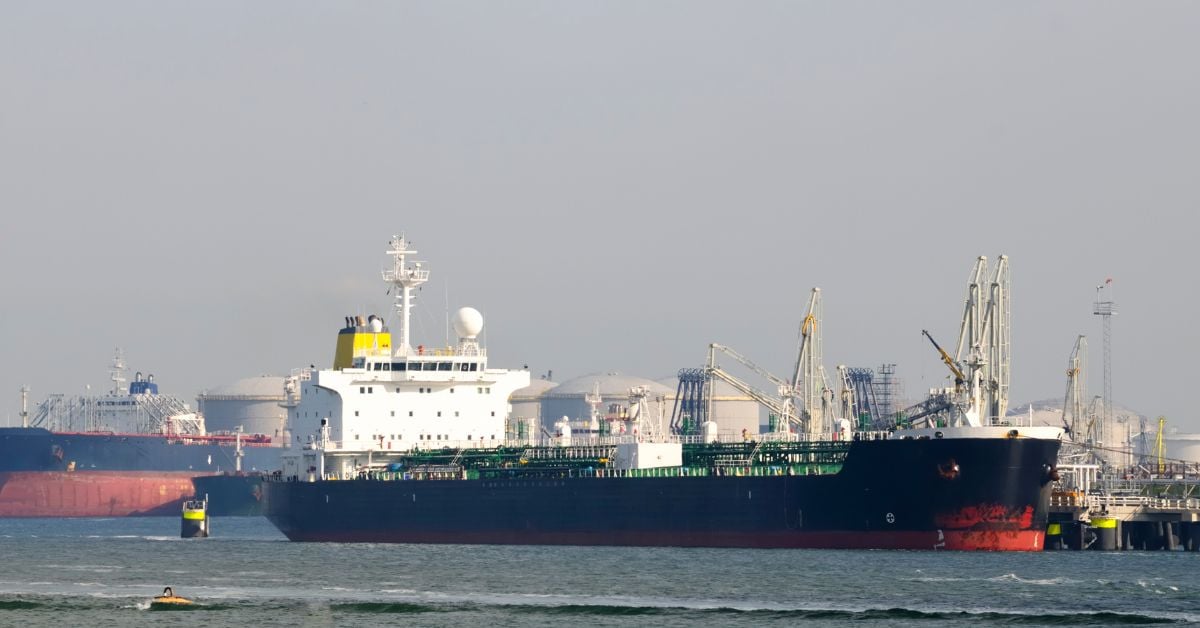
Geopolitical pressures drive Maersk to raise UK and Ireland inland fuel surcharge to 20%
A 20% emergency fuel surcharge on inland transport in Britain and Ireland reflects how geopolitical instability now directly reshapes supply-chain costs. Maersk's calibrated response underscores a measurable reality: conflict zones create ripple effects far beyond their borders. The surge is not abstract, it is a validated, real-time climate indicator of how integrated global logistics remain vulnerable. For deeper context on maritime risk, see our coverage of the rising tanker attacks near the Strait of Hormuz.
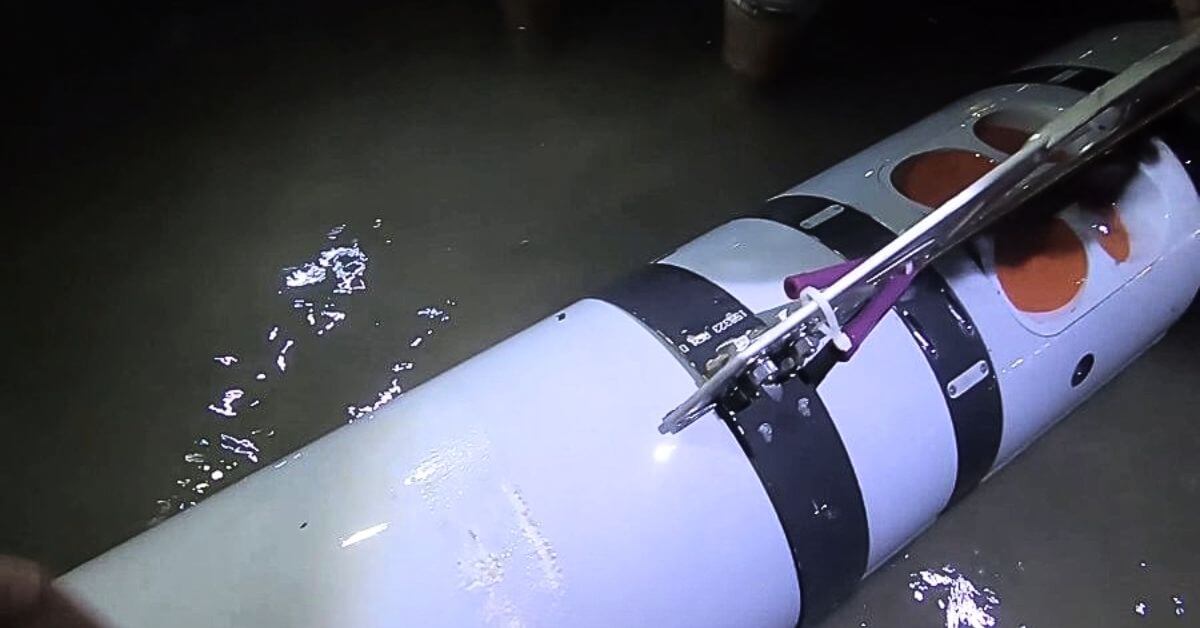
Second US underwater drone reported seized in Strait of Hormuz
Iran's Islamic Revolutionary Guard Corps Navy claims to have seized a second US military underwater drone in the Strait of Hormuz. This is a measurable escalation in a waterway where tensions are already calibrated to the breaking point. Validated reporting on these incidents is essential, not alarmist speculation. For broader context on maritime pressures in this region, readers may explore our related coverage of Gulf of Oman STS transfers. Understanding these events demands empirical clarity, not reaction.
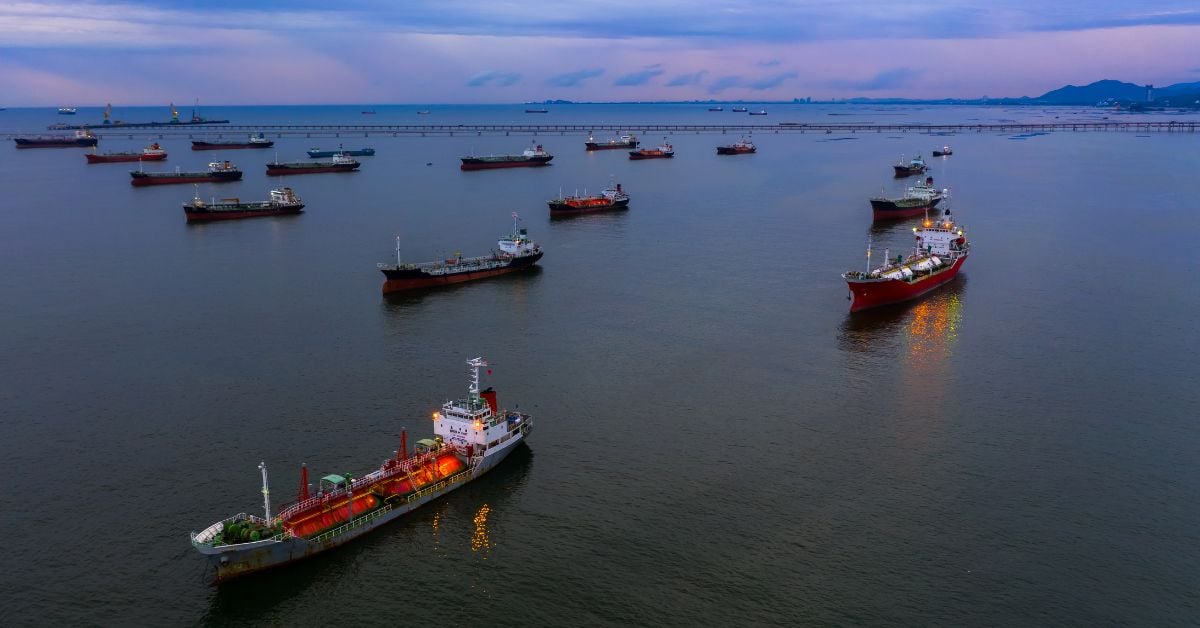
Naval Escort Ensures Oil Transit Through Strait of Hormuz.
On Tuesday, 40 tankers carrying roughly 18 million barrels of crude moved through the Strait of Hormuz under U.S. Navy escort, a measured show of force that underscores how vital this corridor remains to global energy stability. The transit proceeded without incident, but the escort is a reminder that maritime security is not automatic. For those tracking the region's shifting dynamics, our coverage of phased negotiations to ease restrictions on the Strait offers useful context. Reliable passage here is not just strategic; it is foundational.

Geopolitical Tensions Impact Shipping Lanes: Assessing Risks in the Strait of Hormuz
Iranian President Masoud Pezeshkian has called for an end to the months-long war, framing Iran's position from one of "power and dignity." The statement lands as the Strait of Hormuz remains a flashpoint for global shipping, where geopolitical friction translates directly into maritime risk. Negotiations may be stirring, but the calculus is far from settled.

Strait of Hormuz Incident: Vessel Damaged, Crew Member Injured
A vessel was struck while making an outbound transit of the Strait of Hormuz, leaving a crew member injured, according to the Company Security Officer. The incident underscores how quickly risk can escalate in a waterway where geopolitical tension already runs high. Such disruptions are not isolated events; they are part of a broader pattern affecting regional energy flows. For deeper context on these dynamics, our coverage of phased negotiations aimed at easing restrictions on the Strait offers useful perspective.

Indian Maritime Effort Ensures Safe Passage for Vessels and Seafarers
The Indian government confirmed that vessels completed their transits through the West Asia region despite heightened security concerns, underscoring the maritime effort that ensured safe passage for ships and seafarers. This is steady, measured progress in a volatile corridor. The commitment reflects a practical approach to ocean stewardship, where operational reliability carries weight. For those tracking regional dynamics, our related coverage on the Gulf of Oman STS transfers offers additional context on the pressures shaping these routes. Safe passage is not incidental; it is engineered.

Red Sea Incident: Indian Cargo Ship Sinks Following Attack
The sinking of the Indian-flagged cargo ship MSV Faize Noore Oliya, after being struck by an unknown projectile off Yemen, marks a sobering escalation in the Red Sea's volatile maritime corridor. The vessel overturned and sank, underscoring how commercial traffic remains exposed to asymmetric threats with little warning. This incident is not isolated; it follows heightened pressure across regional waterways, from Gulf of Oman STS transfers to Strait of Hormuz negotiations.

Missile Strike Impacts LPG Tanker in Strait of Hormuz Waters
A missile strike has struck an LPG tanker near the Strait of Hormuz, according to the Forward Seamen's Union of India, as the vessel made its way toward the Persian Gulf. The incident underscores the fragile security calculus in a waterway that carries a third of global liquefied gas trade. For seafarers, the risk is not abstract; it is measured in steel, fire, and the open sea. This is why infrastructure like the Seafarers' Welfare Centre at Goa's Mormugao Port matters more than ever.