DP World
World Data Ocean keeps DP World in one place: 8 stories so far. The section currently leads with “A Measured Step Forward for West African Maritime Infrastructure”, “Boosting Manila's Port Capacity with Hybrid, Low-Emission Cranes”, and “Disruptions Shrink Jebel Ali Port Ranking, Gulf Trade Impacted.”. A 10,000-hectare deep-sea port and special economic zone in Nigeria's Ogun State signals a measured step forward for West African maritime infrastructure. Manila South Harbour's new hybrid RTG cranes represent a calibrated step toward measurable decarbonisation in port operations. A Global Hub for Ocean Intelligence 4 World Data Ocean is a centralized digital platform where researchers, scientists, and ocean enthusiasts converge to… The list below is every DP World story on World Data Ocean, newest first.
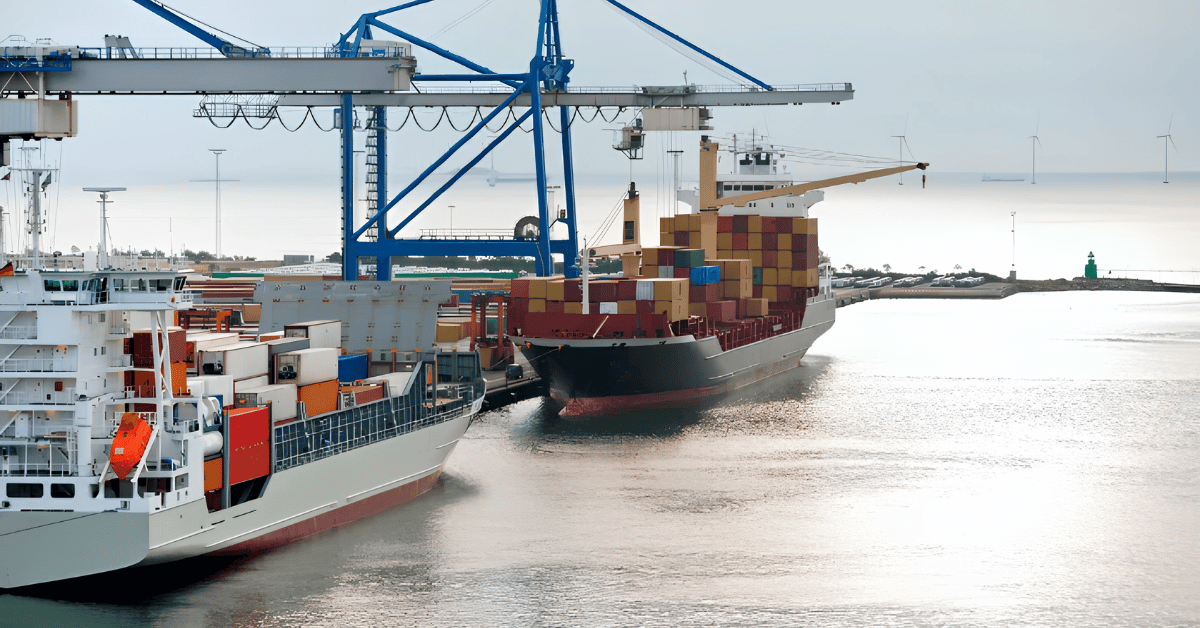
A Measured Step Forward for West African Maritime Infrastructure
A 10,000-hectare deep-sea port and special economic zone in Nigeria's Ogun State signals a measured step forward for West African maritime infrastructure. DP World, Ogun State, and Ogun Deep Sea Port have signed MoUs to explore this integrated development, one that could reshape regional trade logistics. Such projects demand empirical validation, not hype. For context on how ocean data underpins infrastructure decisions, our coverage of "Empirical ocean data powers the measurable path to energy transition" offers a parallel. Understanding drives responsible expansion.
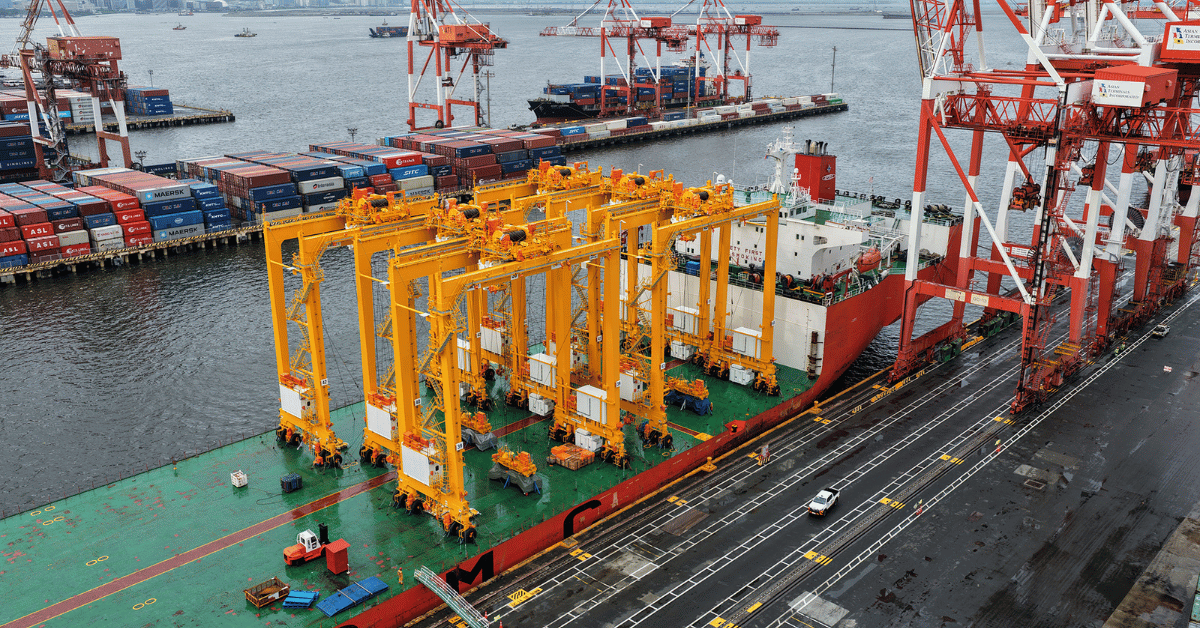
Boosting Manila's Port Capacity with Hybrid, Low-Emission Cranes
Manila South Harbour's new hybrid RTG cranes represent a calibrated step toward measurable decarbonisation in port operations. DP World and Asian Terminals have commissioned six low-emission units that boost capacity and safety without sacrificing operational integrity. This is empirical progress, integrated infrastructure that reduces emissions while strengthening throughput. For broader context on global port modernisation, our coverage of Paradip Port's designation as a Mega Port offers a parallel example of strategic maritime growth. Understanding drives protection, and these cranes deliver both.
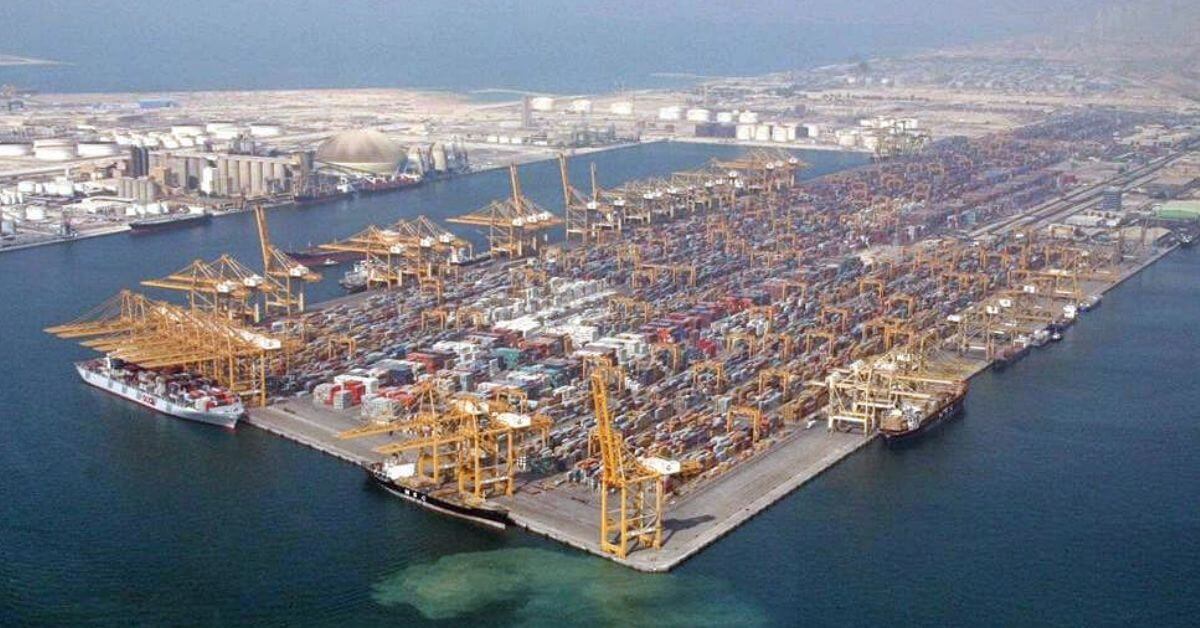
Disruptions Shrink Jebel Ali Port Ranking, Gulf Trade Impacted.
Jebel Ali's first-half throughput fell to 3.14 million TEU, a near 60 percent drop from 7.77 million a year earlier. That is not a small correction; it is a structural signal. Disruptions are reshaping Gulf trade hierarchies, and the port's diminished ranking carries weight far beyond its own berths. The pressure is compounded by regional chokepoints, and our coverage of Strait of Hormuz negotiations shows how fragile these lanes remain. Understanding these shifts is essential, because trade flows do not pause for uncertainty.
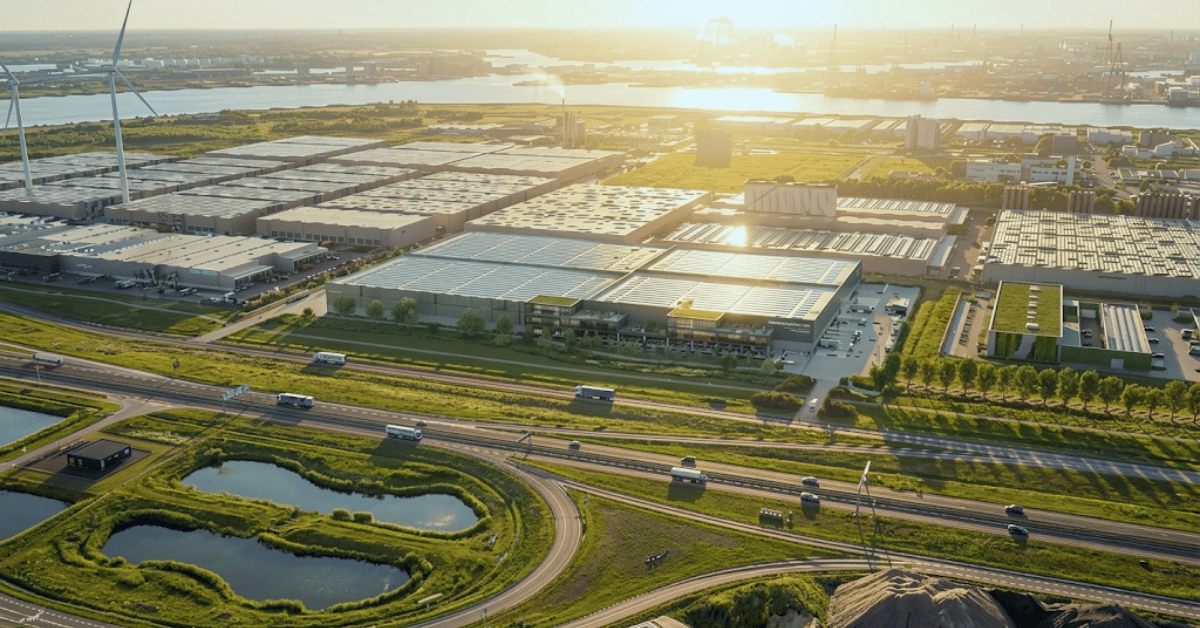
Integrated Logistics Enhance Antwerp’s Cold Chain Capacity.
DP World's EUR 100 million investment in a new temperature-controlled logistics hub at the Port of Antwerp is a calibrated response to rising global demand for cold chain integrity. This expansion strengthens an integrated data ecosystem, ensuring perishable goods move from ship to shelf with measurable precision. It reflects a forward-thinking commitment to infrastructure that supports both trade and sustainability. For broader context on global logistics resilience, see our coverage of Mundra Port's recent operational challenges.
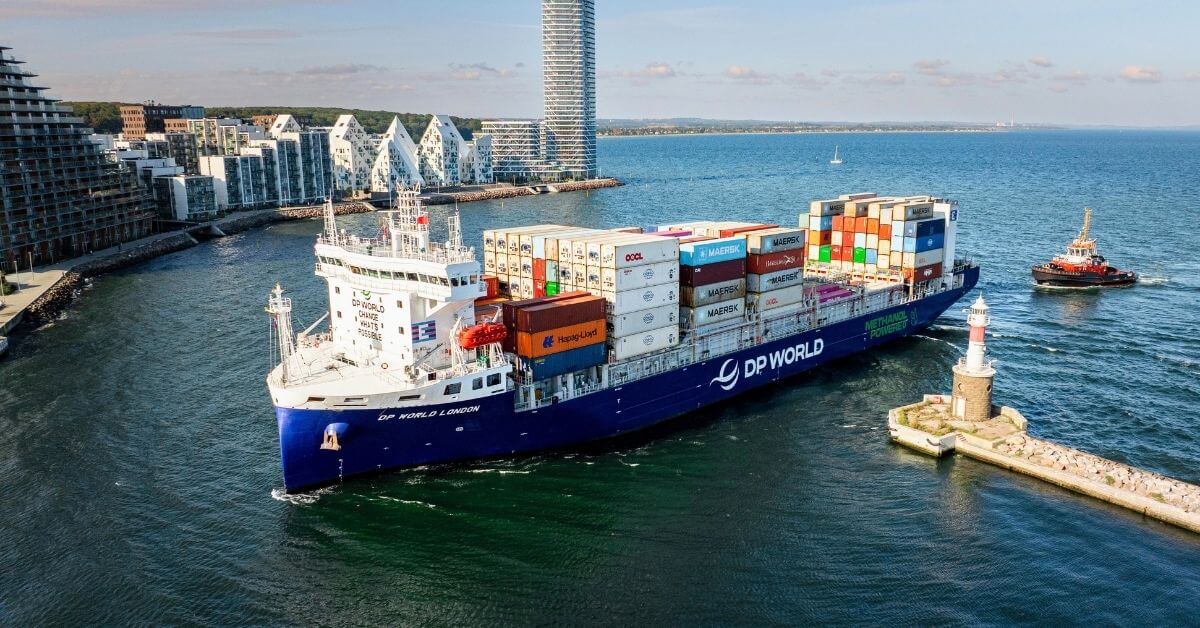
DP World Launches First Methanol-Powered Vessel, Advancing Sustainable Shipping
DP World has named its first methanol dual-fuel vessel at a ceremony in Aarhus, Denmark, marking a concrete step toward lower-emission shipping. The move aligns with the kind of practical, measurable progress the maritime sector needs. Methanol offers a viable path forward, and this launch signals intent backed by action. For readers tracking ocean security and infrastructure developments, our coverage of the U.S. Coast Guard's recent Arctic pier contract complements this story well.

Callao Port Integrates Shore Power, Advancing Sustainable Maritime Operations
Callao's South Terminal now runs on shore power, making it DP World's third facility to do so, alongside Canada's Prince Rupert and Vancouver ports. The move grounds maritime operations in measurable, real-time emission reductions. It is a practical step toward cleaner ports, one that aligns operational efficiency with climate indicators rather than promise. For readers tracking port electrification, our coverage of the Chattogram Port lease dispute offers a useful counterpoint on labor and governance tensions in global terminal management.

India Eyes Northern Sea Route for Expedited Trade with Russia
India is charting a new course to the Arctic. With plans to send its first cargo ship along Russia's Northern Sea Route in 2027, New Delhi is looking to bypass the Suez Canal and cut transit time as bilateral trade with Moscow expands under sanctions. It is a pragmatic, data-driven move, one that reflects how geopolitical pressures are redrawing maritime logistics. For readers tracking parallel disruptions, our coverage of strikes targeting ports and vessels in confirmed military action offers broader context on the region's volatility.

Integrated Port Development Offers Climate-Resilient Trade Route Option.
Fujairah's proposed integrated port facilities offer a pragmatic answer to a congested trade corridor, sitting securely outside the Strait of Hormuz. This location transforms risk into reliability, giving shippers a route that holds up under pressure. The design prioritizes climate resilience, a necessity, not a luxury, for long-term logistics. It is a measured step forward, one that aligns with the pressures outlined in our coverage of Gulf of Oman STS transfers maxing out. Strategic positioning, backed by solid planning, speaks louder than hype.