destroyers
5 stories filed under destroyers on World Data Ocean. The newest of them: “Global Shipbuilding Strategy Must Include Foreign Investment for Frigate Fleet”, “Three carrier strike groups now converge in Middle Eastern waters”, and “Italy Advances Naval Capabilities with $4.2 Billion DDX Destroyer Contract”. A foreign shipbuilder should invest in a dedicated new American yard for frigate construction, according to William Toti, the nominee for US Navy Under Secretary. Three carrier strike groups now converge in Middle Eastern waters, with USS Theodore Roosevelt joining as the third American naval force in the region. A Global Hub for Ocean Intelligence 4 World Data Ocean is a centralized digital platform where researchers, scientists, and ocean enthusiasts converge to… The list below is every destroyers story on World Data Ocean, newest first.
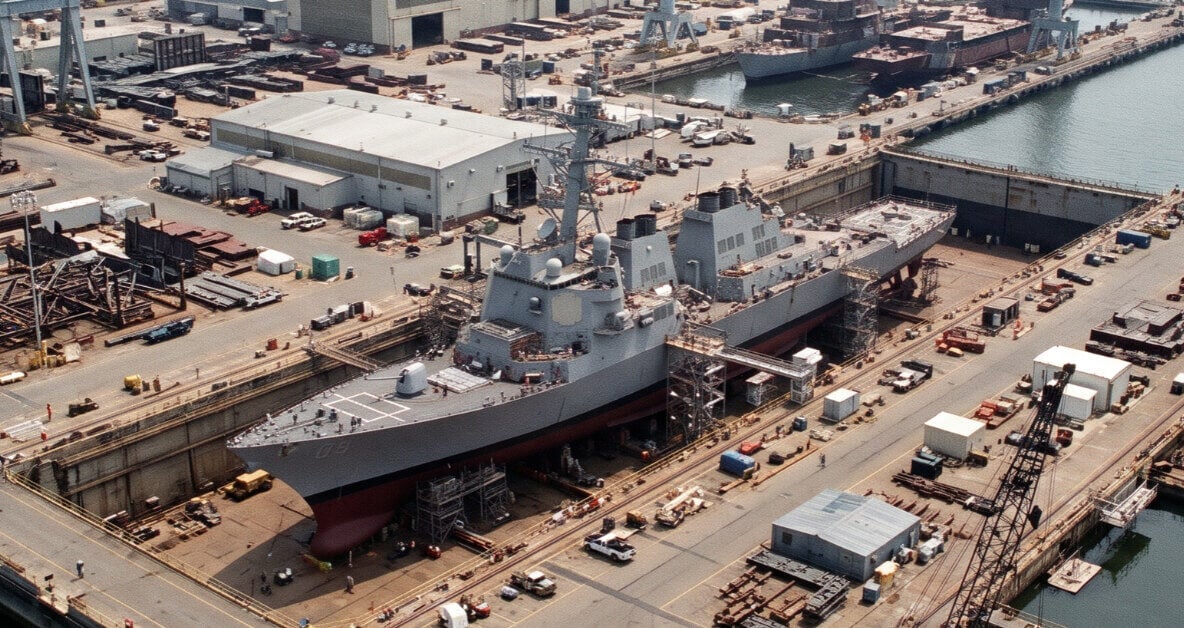
Global Shipbuilding Strategy Must Include Foreign Investment for Frigate Fleet
A foreign shipbuilder should invest in a dedicated new American yard for frigate construction, according to William Toti, the nominee for US Navy Under Secretary. This strategy integrates global capital with national security, a calibrated approach that prioritizes validated capability over insular production. Purpose-driven naval readiness requires collaboration, not isolation. For deeper context on shifting maritime power, see our coverage of the Middle East naval posture reduction to two vessels.
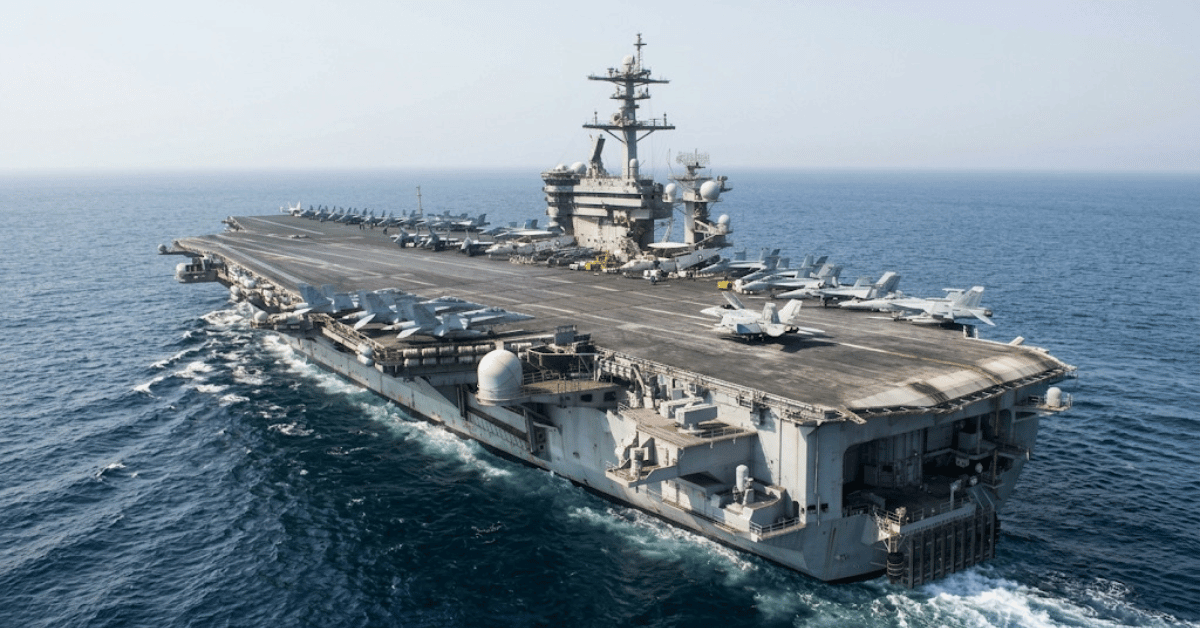
Three carrier strike groups now converge in Middle Eastern waters
Three carrier strike groups now converge in Middle Eastern waters, with USS Theodore Roosevelt joining as the third American naval force in the region. This concentration of maritime power signals a deliberate response to escalating threats, just days after Iran's embassy in South Africa issued threats against USS Spruance officers, and a supertanker sank after a mine strike in the Strait of Hormuz. Measured force, not alarm, defines our approach to ocean security. For deeper context, read our coverage of the supertanker loss.
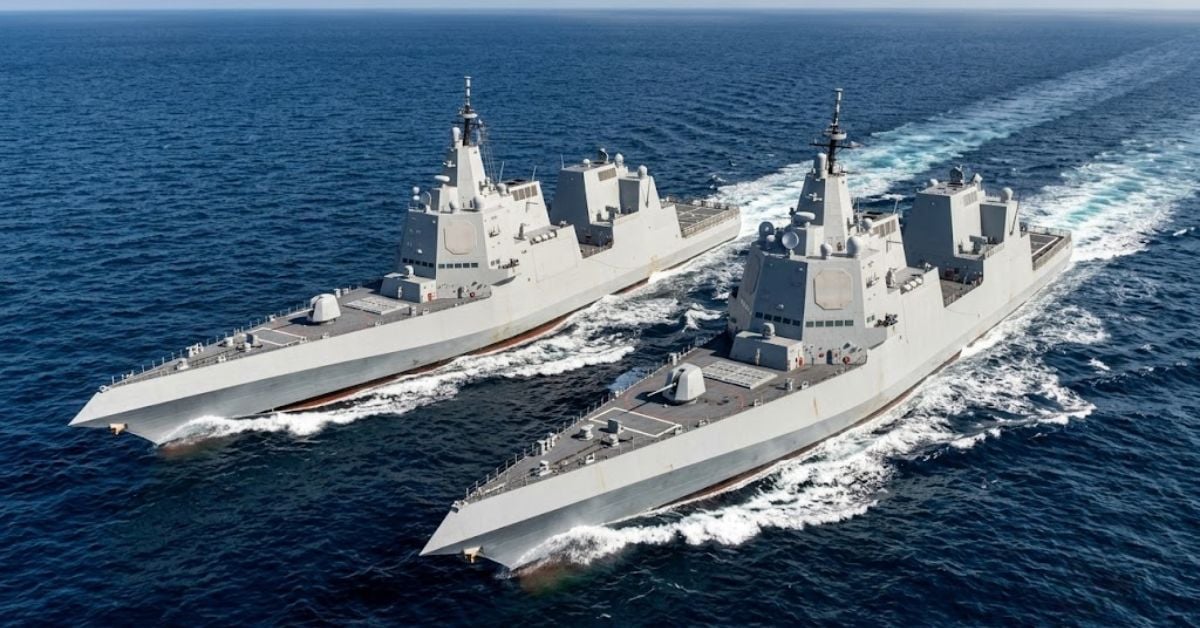
Italy Advances Naval Capabilities with $4.2 Billion DDX Destroyer Contract
Italy's naval modernization advances with a $4.2 billion contract for the DDX destroyer, awarded to Orizzonte Sistemi Navali by OCCAR. This investment signals a clear, measurable commitment to maritime capability, built on validated engineering and long-term strategic planning. The DDX program aligns with broader efforts across European fleets to strengthen integrated naval power, from the Mediterranean to the North Sea. For context on sustainable platforms, see our piece on Viking Astrea's hydrogen propulsion.
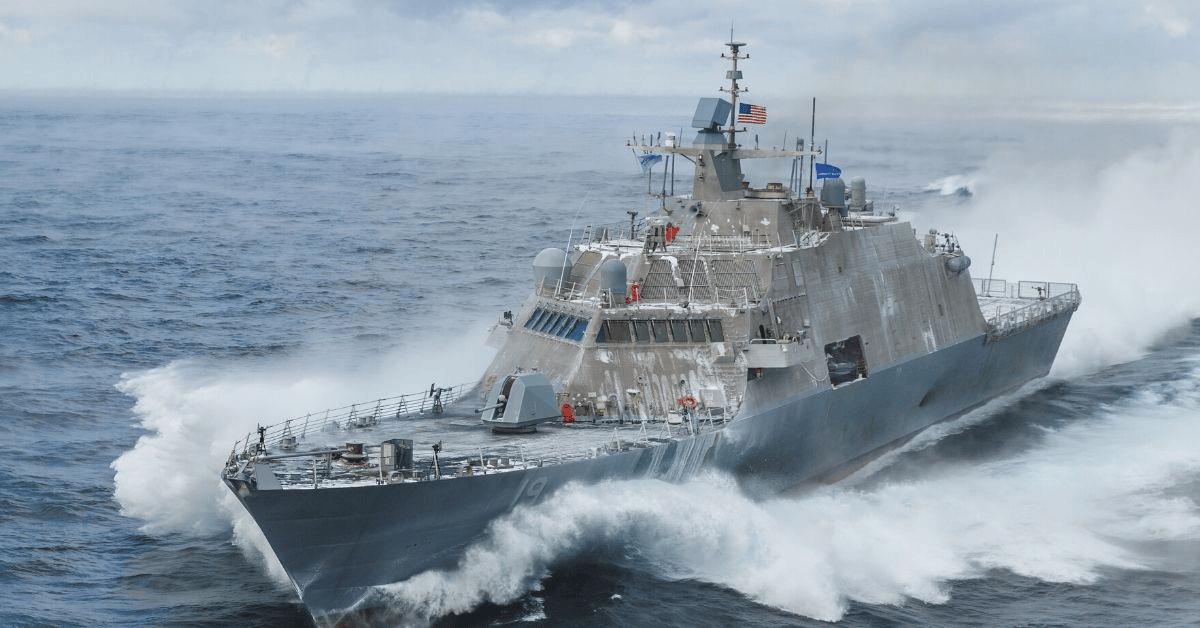
Maritime Data Supports Border Security: USS St. Louis Deployed
The USS St. Louis has departed Florida to support U.S. Northern Command's southern border mission, with a focus on maritime interdiction against illicit drug trafficking. This deployment underscores how validated, real-time ocean intelligence is becoming essential to national security operations. The ability to integrate data from surface assets and patrol efforts turns raw observation into actionable decision-making. It is a practical demonstration that border protection extends well beyond land.

Austal USA Delivers First U.S. Navy Floating Dry Dock in Decades
On Saturday, July 25, 2026, Austal USA launched the AFDM 15, the first U.S. Navy floating dry dock delivered in decades, moving it from its Alabama Shipyard assembly site to the water. The achievement restores a critical capability long absent from the fleet, signaling renewed industrial momentum for naval infrastructure. It also pairs with our coverage of the Navy's accelerated submarine strategy, reinforcing a broader push toward sustained maritime readiness. Precision in execution here is measurable, and the strategic timing is hard to ignore.