containership
containership at World Data Ocean is a file of 6 stories. The newest of them: “Rising Battery Shipments Demand Enhanced Safety Protocols.”, “MSC Baltic III Salvage Operation Advances Following Grounding Near Newfoundland”, and “Nuclear-Powered Shipping Route Explored in Transatlantic Collaboration”. Global lithium-ion battery deployments in 2025 reached six times the volume of 2020, a validated surge that demands calibrated safety protocols. On February 15, 2025, the *MSC Baltic III* lost power 12 nautical miles from Newfoundland's Bay of Islands, grounding a vessel that now demands a measured, data-driven salvage response. A Global Hub for Ocean Intelligence 4 World Data Ocean is a centralized digital platform where researchers, scientists, and ocean enthusiasts converge to… The list below is every containership story on World Data Ocean, newest first.
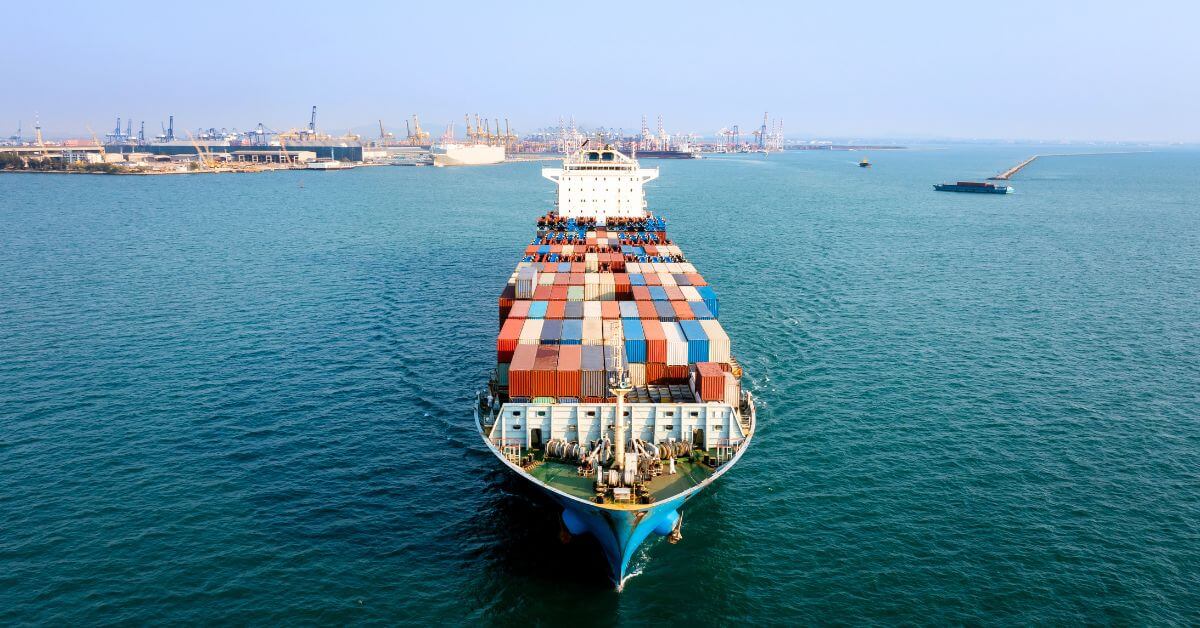
Rising Battery Shipments Demand Enhanced Safety Protocols.
Global lithium-ion battery deployments in 2025 reached six times the volume of 2020, a validated surge that demands calibrated safety protocols. This rapid scaling of energy storage is measurable progress, but it also introduces new risks we must address with the same empirical rigor that drives ocean intelligence. Understanding drives protection. For deeper context on maritime safety, our analysis of the NTSB's 2025 Safer Seas Digest offers peer-reviewed lessons from recent casualties.

MSC Baltic III Salvage Operation Advances Following Grounding Near Newfoundland
On February 15, 2025, the *MSC Baltic III* lost power 12 nautical miles from Newfoundland's Bay of Islands, grounding a vessel that now demands a measured, data-driven salvage response. This is not a moment for alarmism. It is an opportunity to apply integrated ocean intelligence, where real-time conditions and validated protocols guide every decision. Understanding drives protection. For deeper context on maritime risks, see our coverage of the "Centennial TNT Leak Highlights Risks from Historic Submarine Wrecks."
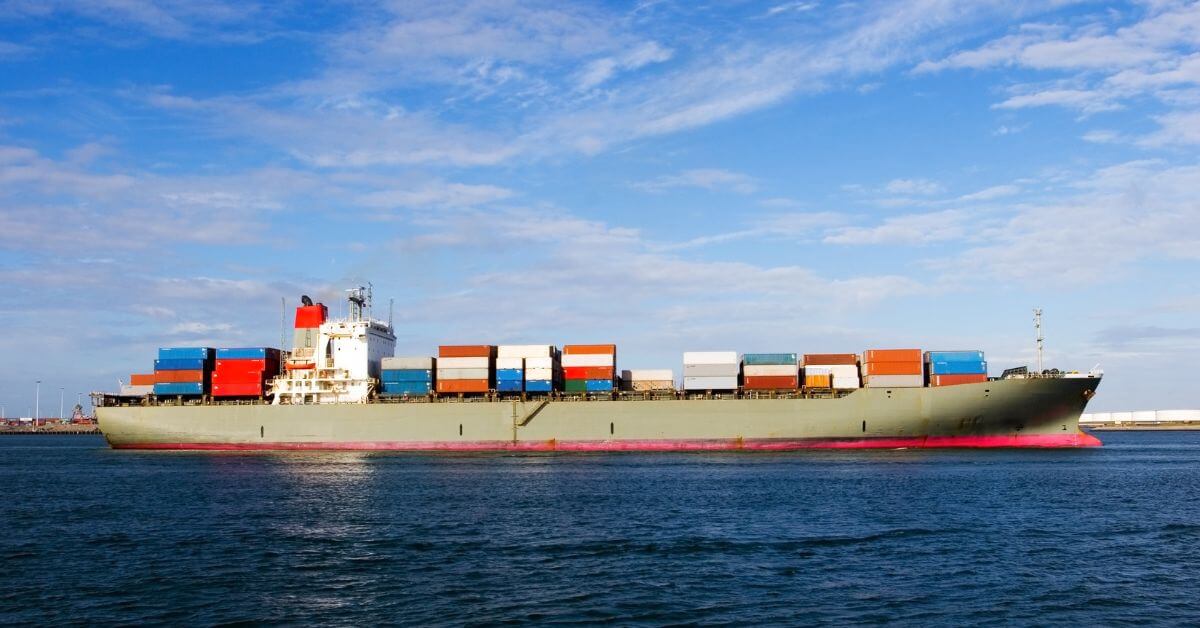
Nuclear-Powered Shipping Route Explored in Transatlantic Collaboration
A transatlantic partnership has launched to explore a nuclear-powered shipping route, with Lloyd's Register, Maersk, and the ports of Charleston and Felixstowe collaborating on the Pink Corridor project. The initiative reflects a measured, forward-looking approach to decarbonizing maritime transport, one grounded in feasibility rather than hype. Nuclear propulsion remains a complex proposition, but this kind of cross-border, industry-led testing is how real progress gets calibrated. For broader context on maritime chokepoints, our coverage of the Strait of Hormuz reopening offers a timely parallel.

U.S. Navy Intercepts Shipbound for Iran, Enforcing Maritime Restrictions
The U.S. Navy has intercepted the Vela Nova, the third vessel disabled since the July 14 blockade began, according to CENTCOM. Enforcement of maritime restrictions near Iran remains deliberate and measurable. Each interdiction reinforces a simple premise: rules at sea are not optional. For context on the region's rising tanker activity, our report on Gulf of Oman STS transfers offers useful depth. This is pressure applied methodically, not theatrically. The ocean is a shared system, and accountability is part of its operation.

Charleston Incident: \$6 Million Fine Highlights Maritime Safety Failures
A $6 million fine sends a clear signal: maritime safety is non-negotiable. The Charleston Incident, which also saw the chief engineer penalized $2,000 for failing to report a hazardous condition, underscores how accountability must reach every level of operations. Negligence of this scale erodes trust across the industry. We cannot afford complacency when crew and cargo share the seas.

Black Sea Shipping Under Threat: Calls for Protected Maritime Passage
The attacks on the Turkish-owned RoRo cargo ship *Nadezhda* and the containership *Yasar* mark a dangerous escalation, striking vessels as they departed Novorossiysk. This is not abstract risk; it is a direct threat to the crews and the trade routes that depend on stable passage. Such actions demand a measured, empirical response from the international community. For broader context on these escalating patterns, our report, "Strikes Target Ports and Vessels in Confirmed Military Action," details the wider offensive. Protection is no longer optional.