conservation
44 stories filed under conservation on World Data Ocean. The newest of them: “Identifying Tropical Sea Stars: A Guide for Aquariums and Beyond”, “Ocean Intelligence: Measuring Change in the Underwater World.”, and “Data-Driven Ocean Biodiversity: A Path to Sustainable Stewardship.”. Identifying tropical sea stars by sight alone is a familiar frustration, and the gap between "easy" Chocolate Chips and a generic "Cushion" label is wider than most guides admit. The ocean's most consequential changes often occur beyond the reach of sunlight, yet measuring them demands precision that matches the depths. A Global Hub for Ocean Intelligence 4 World Data Ocean is a centralized digital platform where researchers, scientists, and ocean enthusiasts converge to… The list below is every conservation story on World Data Ocean, newest first.

Identifying Tropical Sea Stars: A Guide for Aquariums and Beyond
Identifying tropical sea stars by sight alone is a familiar frustration, and the gap between "easy" Chocolate Chips and a generic "Cushion" label is wider than most guides admit. You are right to question the Caribbean assumption; many Indo-Pacific species masquerade under that common name. Validated identification requires looking past color to plate arrangement and pore patterns. For a broader maritime context, our piece on China's new nuclear carrier shows how ocean intelligence extends beyond biology into strategic operations.

Ocean Intelligence: Measuring Change in the Underwater World.
The ocean's most consequential changes often occur beyond the reach of sunlight, yet measuring them demands precision that matches the depths. NOAA's National Centers for Environmental Information anchors this effort, turning raw underwater data into validated, climate-ready intelligence. That rigor matters; without it, we are guessing at the pulse of a system that regulates everything. For those tracking how marine infrastructure evolves alongside such monitoring, our piece on Van Oord's new fallpipe vessels, *Vindnes* and *Vestnes*, offers a fitting glimpse of industrial adaptation.
Data-Driven Ocean Biodiversity: A Path to Sustainable Stewardship.
Biodiversity data is the backbone of any meaningful effort to sustain ocean nature, yet it remains unevenly collected across the globe. Prioritizing that data is not a technical footnote; it is the foundation for measurable stewardship. We cannot manage what we cannot see. This piece examines how targeted collection efforts build the integrated data ecosystem needed for lasting impact. For broader context on how ocean data flows connect regions, our related coverage on integrated subsea cables offers a useful perspective.

Shell Formation Under Threat: Environmental Stressors and Molluscan Resilience
Shell formation is not a passive process; it is a precisely calibrated biological cascade, and new research shows just how vulnerable that cascade is. A mechanistic review in our latest report synthesizes how climate drivers, seawater chemistry shifts, and contaminants disrupt biomineralization across molluscan life stages. The proposed hierarchical framework links molecular disturbances to structural defects in calcium carbonate, offering a testable path forward. It is rigorous, evidence-driven, and exactly the kind of integrated synthesis conservation work needs.
Beyond Area: Measuring True Progress in Ocean Protection.
The percentage of ocean area that is protected tells us less than we hope. Beyond Area: Measuring True Progress in Ocean Protection argues that the real metric is ecological health, not just square mileage. It is a sharp, necessary push for accountability. We agree: validated, peer-reviewed data must replace headline-grabbing designations. Understanding drives protection, but only if we measure what actually thrives. For broader context on how we track ocean systems, see our piece on Arctic Sea Ice Melt Season Stabilizes After Decades of Expansion.
Community Insights Shape Ocean Management in Vietnam’s Coastal Zone
Coastal communities in Vietnam's Cù Lao Chàm, Hội An Biosphere Reserve are not passive observers of marine change; they are precise chroniclers of it. Surveying 252 residents, this study reveals that local perceptions of environmental shifts are structured, place-specific, and consistent across past and future outlooks. Notably, residents perceived declines in marine resources and aquaculture, while marine habitats showed signs of improvement.
San Francisco Bay Gray Whale Deaths Linked to Foraging Challenges
New necropsy findings from San Francisco Bay link gray whale deaths to foraging challenges, a shift that points to deeper stress in the species' habitat. When feeding grounds fail to deliver, the whales pay the price. This is not just a local concern; it is a measurable signal of changing ocean conditions. We should read it as a call to integrate these observations into broader marine monitoring. For more on how governance can respond, see our coverage of MPA networks bridging conservation gaps.

Croatia Shell Mystery: Identifying a Coastal Find and Its Potential.
A shell found in Croatia raises a familiar question: is it a common edible species or something rarer? The request is straightforward, yet the answer requires careful observation. We appreciate this kind of curiosity because identifying a coastal find is the first step toward understanding its role in the ecosystem.
Measuring Ocean Health: Introducing Integrated Ocean Accounts.
Ocean accounts turn scattered marine data into a single, coherent ledger. They track what the ocean provides, how we use it, and what we put back, giving policymakers a practical way to weigh economic gains against ecological health. This framework makes trade-offs visible and decisions more defensible. It is a measurable step toward stewardship, not a slogan.
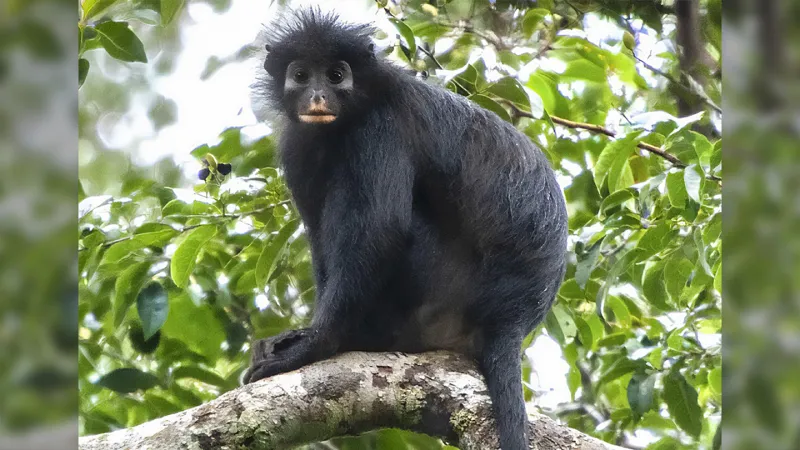
New Primate Species Discovered in Congo, Facing Potential Extinction.
A single canopy call and a partial photo were enough to signal something unknown in the Congolese treetops. DNA confirmed it: a new primate species, already facing potential extinction. Discovery at this stage is a race against time, not just a moment of celebration. The finding underscores how much remains unmapped in our natural world. For those tracking biodiversity loss, this is a sobering reminder of what is at stake.
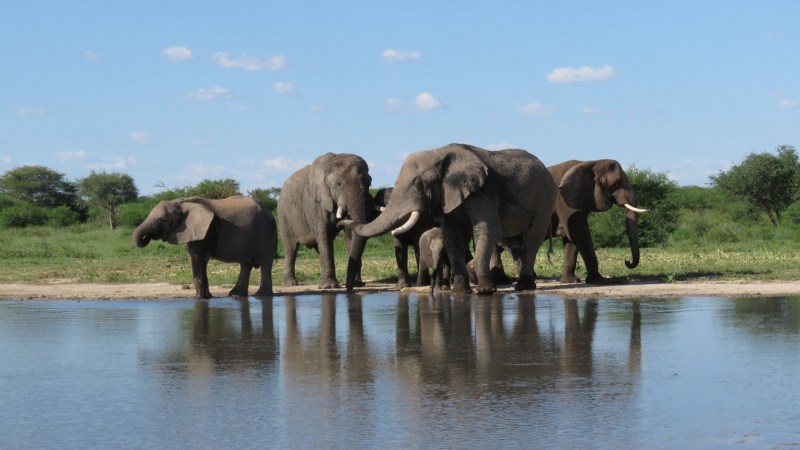
Rehabilitated Elephants Show Remarkable Behavioral Convergence with Wild Populations
Eleven rehabilitated elephants now move, forage, and socialize in patterns strikingly similar to their wild counterparts, according to new research. The findings suggest that structured care and gradual reintegration can preserve natural behaviors, a hopeful signal for conservation programs worldwide. This empirical alignment strengthens the case for science-led rewilding. For context on how environmental systems respond to pressure, readers may explore our related piece on Cascadia and San Andreas, which examines sequential earthquake risk. Understanding drives protection, and these elephants offer measurable proof of resilience.
Canopy Views: Do Kelp Forest Assessments Accurately Reflect Underlying Structure?
A 23-year monthly timeseries from southern California reveals that floating kelp canopies capture only 12-38% of giant kelp's total biomass, depending on site and season. This gap matters because surface assessments routinely inform management decisions, yet they often miss high subsurface biomass entirely. The canopy also proves a weak predictor of plant density, size, or morphology for most of the year. Understanding these limits is essential before surface data guides conservation.
Island Fish Diversity Linked to Climate, Environment, and Human Activity
The waters around China's islands hold more than biodiversity; they hold a diagnostic signal. Our study of eight islands reveals that fish assemblage diversity, measured through taxonomic, functional, and phylogenetic lenses, is not randomly distributed. Northern islands lead, while central ones lag. Marine environment factors exert a strong, positive pull (0.675), whereas socioeconomic pressures push back negatively. Climate acts indirectly, but its negative influence is clear. These empirical findings give us a calibrated baseline for conservation, a step toward integrated ocean intelligence.
Exploring Whale Migration: An Interactive Experience Seeking Scientific Input
A single interactive experience cannot replicate the full complexity of a whale's journey, but it can build empathy. TOHORĀ, a new creation from developer /u/Tohora721, invites users to confront the real pressures of migration firsthand. The project wisely seeks brutal feedback to refine its simulation. This is a practical exercise in ocean awareness, and a useful one.
Climate Change Accelerates Invasive Species Threat to Ocean Ecosystems
Rising ocean temperatures are rewriting the rules of marine life, and not in ways we can afford to ignore. As climate change shifts habitable zones, invasive species are finding new footholds in ecosystems already stressed by warming waters. This is not a distant problem; it is an accelerating, measurable threat to biodiversity and coastal economies alike. The data is clear: we must integrate these patterns into our ocean intelligence now.
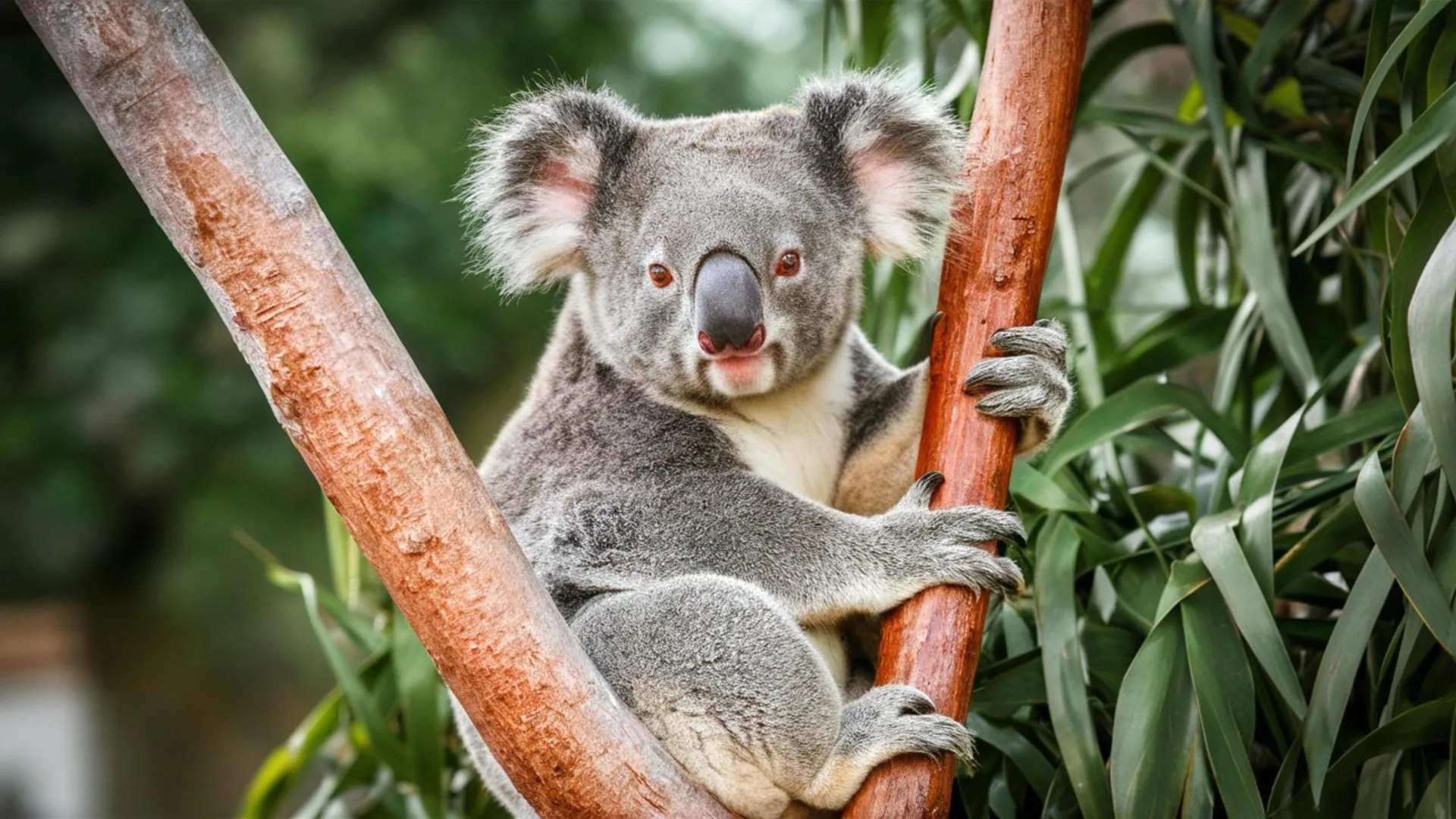
Ancient DNA Reveals Prehistoric Koala Population Bottleneck
A population collapse that predates human arrival has quietly shaped every koala alive today. By calculating the koala's mutation rate for the first time and sequencing hundreds of genomes, researchers traced the species back to a small group that endured extreme climate shifts roughly 100,000 years ago. That survival story is a measurable lesson in resilience. For more on how environmental pressures echo through time, see our related piece on fossilized dinosaur feathers and survival traits.
Florida Gap Year: Charting a Course for Marine Biology Exploration
A gap year after college is a strategic investment, not a pause. For this graduate, the Disney College Program offers a unique base for marine biology exploration. The best courses in Orlando are those that provide practical, transferable skills, such as GIS mapping or data analysis, complementing the SCUBA certification already in motion.

Galapagos Seal Identification: Validating Observations with Ocean Intelligence.
A single photograph can spark a genuine question about the creatures sharing our shores. This observer's instinct to verify rather than assume is exactly the kind of caution that strengthens marine knowledge. The Galapagos fur seal is a valid guess, though confirming its distinct features requires a closer look. We appreciate the curiosity and the careful approach to observation.

A Tiny Ghost Pipefish: New Species Echoes Sesame Street's Snuffleupagus
A tiny new species of ghost pipefish has surfaced, and its resemblance to Sesame Street's Snuffleupagus is as charming as it is scientifically intriguing. The discovery reminds us that ocean intelligence still holds countless surprises, even in well-trodden waters. While this find is a delight, it also underscores the need for validated, peer-reviewed cataloging of marine life.
Tracking the Elusive Giant Squid: A North Atlantic Research Challenge
The giant squid remains one of the ocean's most persistent mysteries, and this North Atlantic research challenge underscores why. Tracking an animal that rarely surfaces demands more than patience; it requires calibrated, real-time observation across a vast, integrated data ecosystem. The work is difficult, but the potential to turn sparse sightings into empirical knowledge is worth the effort. For context on how such data networks function elsewhere, our related article, "Integrated Subsea Cables Enhance Data Transmission Across the Indian Ocean," offers a useful parallel.