congestion
World Data Ocean keeps congestion in one place: 5 stories so far. The section currently leads with “Ship-to-ship transfers shift Gulf congestion toward India's western maritime corridor”, “Optimizing Terminal Flow to Measure the Cost of Dwell Time”, and “Mundra Port Resumes Operations After Strike Impacts Global Shipping.”. Ship-to-ship transfers once clustered near the Strait of Hormuz are now stretching toward India's western maritime corridor. At a RoRo terminal, dwell time is not idle, it is a measurable cost. A Global Hub for Ocean Intelligence 4 World Data Ocean is a centralized digital platform where researchers, scientists, and ocean enthusiasts converge to… The list below is every congestion story on World Data Ocean, newest first.
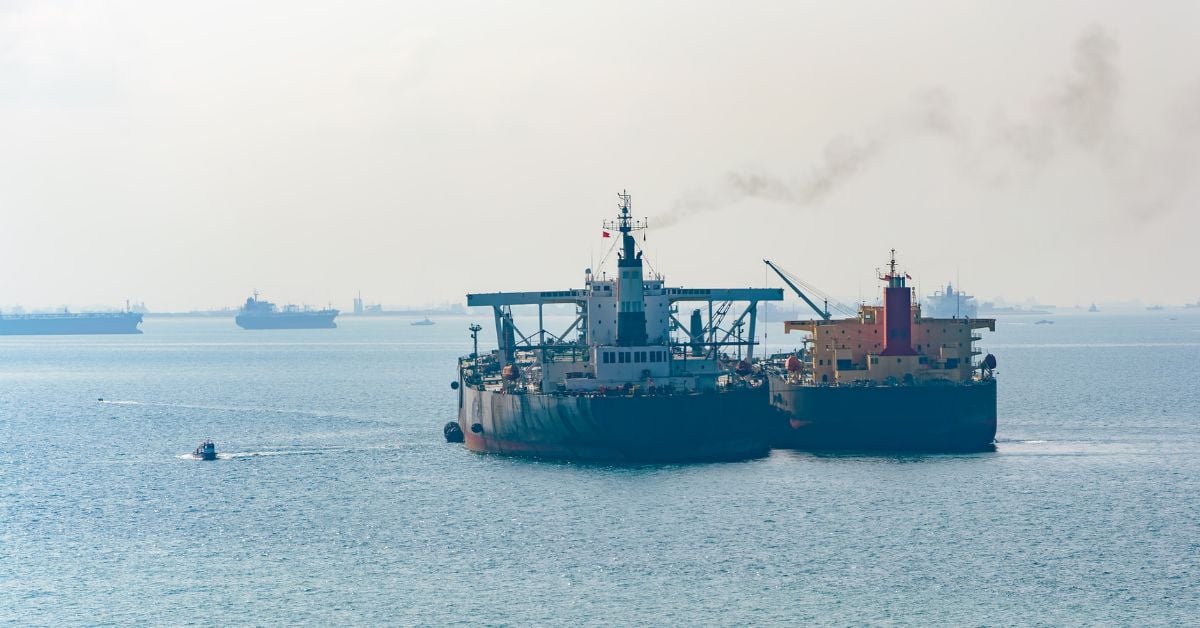
Ship-to-ship transfers shift Gulf congestion toward India's western maritime corridor
Ship-to-ship transfers once clustered near the Strait of Hormuz are now stretching toward India's western maritime corridor. Oil producers are shifting these operations outside Gulf waters, redistributing congestion along a new axis. This measured logistical adaptation carries measurable implications for regional maritime security and data verification. Our recent coverage of the Strait of Hormuz posture highlights why validated, real-time ocean intelligence has never been more urgent. Understanding these patterns is essential for those tracking the integrated data ecosystem of global trade.
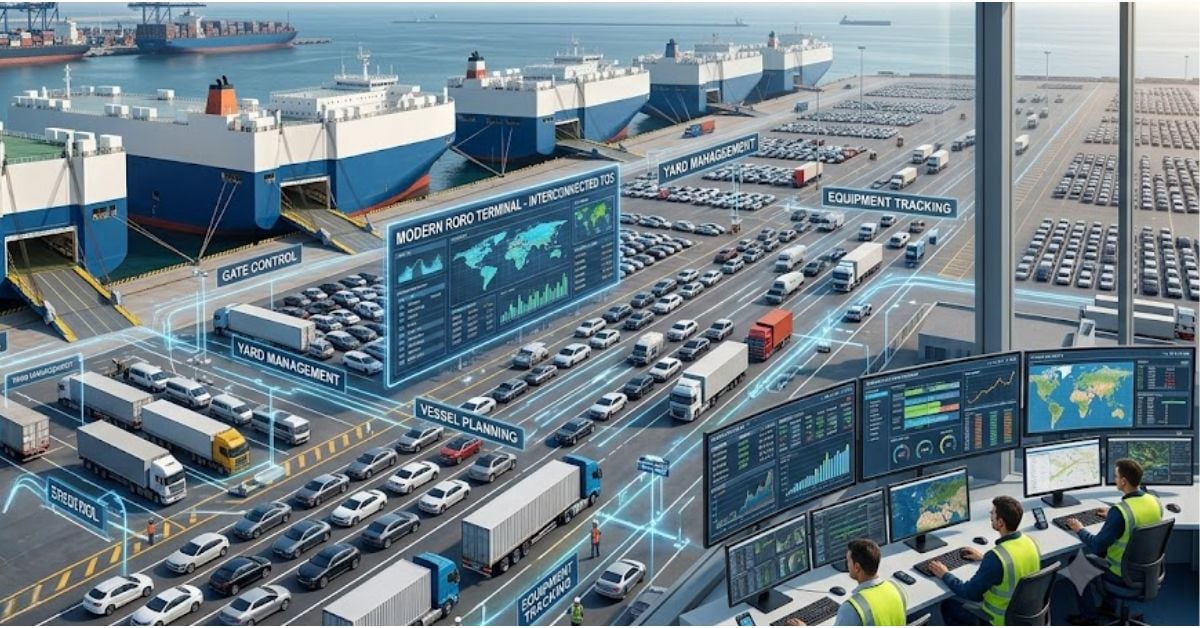
Optimizing Terminal Flow to Measure the Cost of Dwell Time
At a RoRo terminal, dwell time is not idle, it is a measurable cost. Every minute a vehicle waits between entry and departure compounds operational friction, reducing throughput and straining logistics. Optimizing terminal flow requires treating each moment as a calibrated variable, not a passive delay. Understanding drives protection. For a deeper look at how gate-level delays ripple across national trade, see "Gate Delays Expose Critical Link in National Trade Flow."

Mundra Port Resumes Operations After Strike Impacts Global Shipping.
Mundra Port has resumed operations after a strike disrupted cargo flows, with major carriers including MSC, Hapag-Lloyd, ONE and CMA CGM notifying customers of delays. This interruption underscores the fragility of global supply chains when critical nodes falter. Reliable port activity is measurable, and its disruption sends real-time ripple effects across markets. For deeper context on India's maritime infrastructure, see our coverage of Paradip Port's designation as a Mega Port.
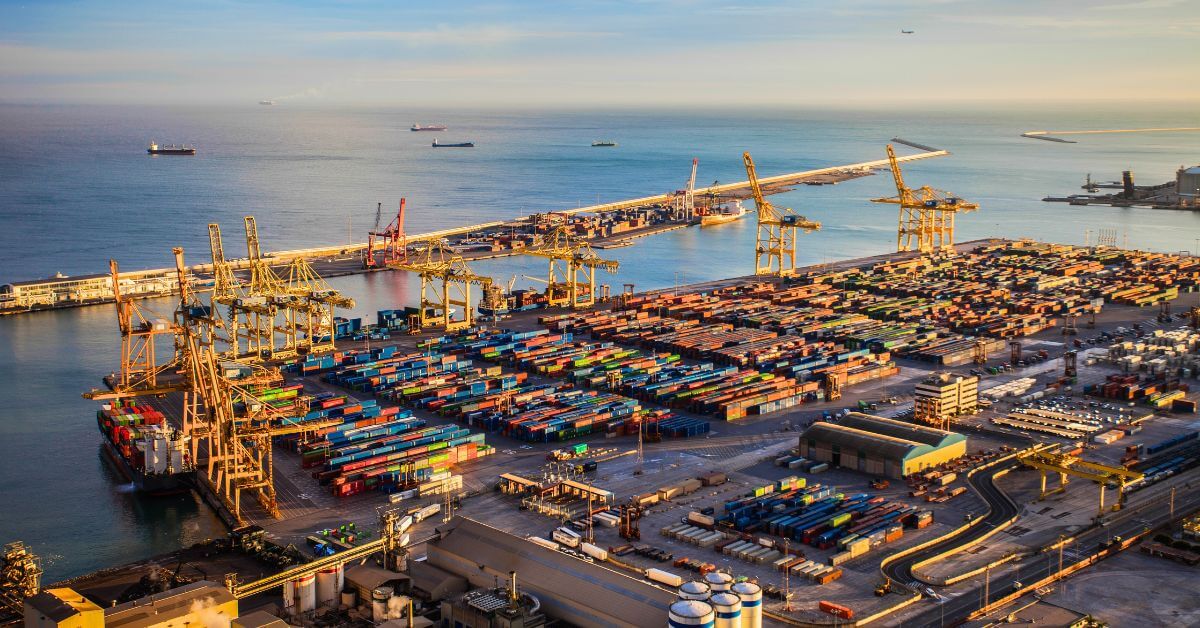
Asian Port Congestion Impacts Global Vessel Reliability.
In July, congestion across Asia's 14 busiest ports drove a measurable decline in global vessel reliability. This is not an abstract metric; it is a concrete signal of how tightly interwoven our logistics and ocean health truly are. When ports stall, the ripple effects are immediate and empirical. We track these shifts because they reveal systemic pressures. For context on maritime resilience, our coverage of the *Integrated Response Saves 25 Seafarers* highlights how crews navigate such volatile conditions.
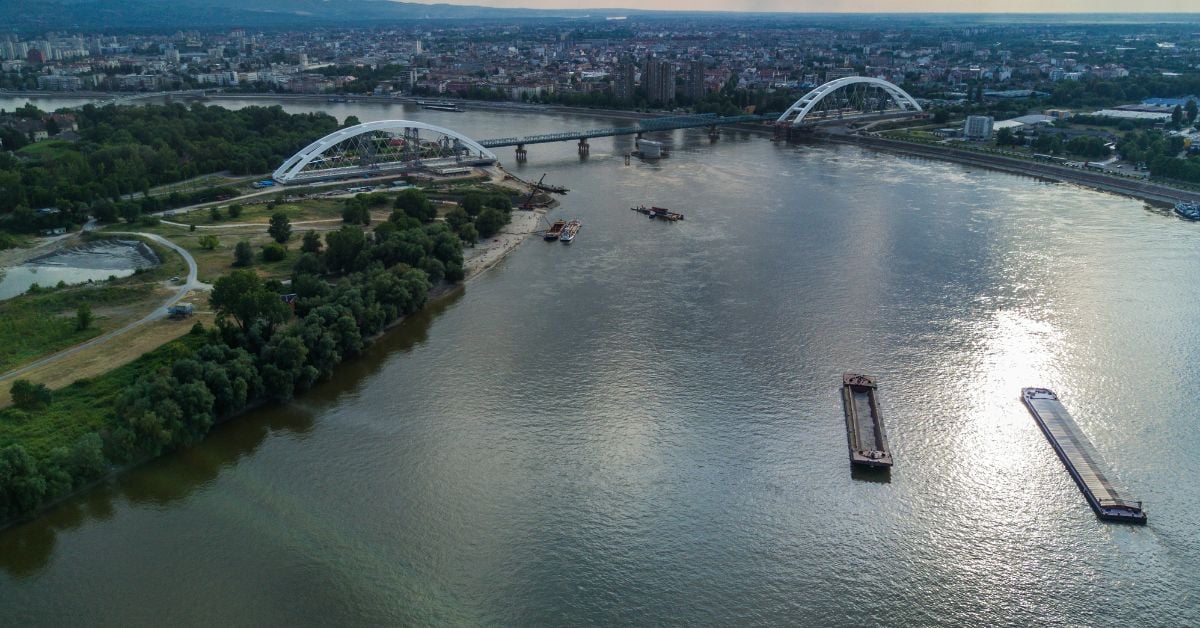
Grain Shipments Stalled: 70 Vessels Await Danube Canal Access
Seventy vessels sit idle near the Sulina Canal, their holds empty as grain shipments stall at Ukrainian ports. This bottleneck is more than a logistical snag; it is a measurable disruption to global food supply chains. The wait underscores how fragile export routes remain under persistent threat. For context on the broader pattern, our related coverage in "Fatal Attack on Cargo Ship Highlights Black Sea Shipping Risks" outlines the human and operational costs already incurred. Reliable passage is not a given.