cargo vessel
15 stories filed under cargo vessel on World Data Ocean. The newest of them: “Drone Attacks Ignite Russian Tankers Off Romania's Black Sea Coast”, “US Forces Neutralize Iranian-Affiliated Vessel in Gulf of Oman”, and “Bulgaria concludes search for missing crew after drone strike in its waters”. Two tankers of Russian origin were struck by drones off Romania's Black Sea coast, igniting fires that underscore the growing intersection of geopolitical conflict and maritime risk. A U.S. A Global Hub for Ocean Intelligence 4 World Data Ocean is a centralized digital platform where researchers, scientists, and ocean enthusiasts converge to… The list below is every cargo vessel story on World Data Ocean, newest first.
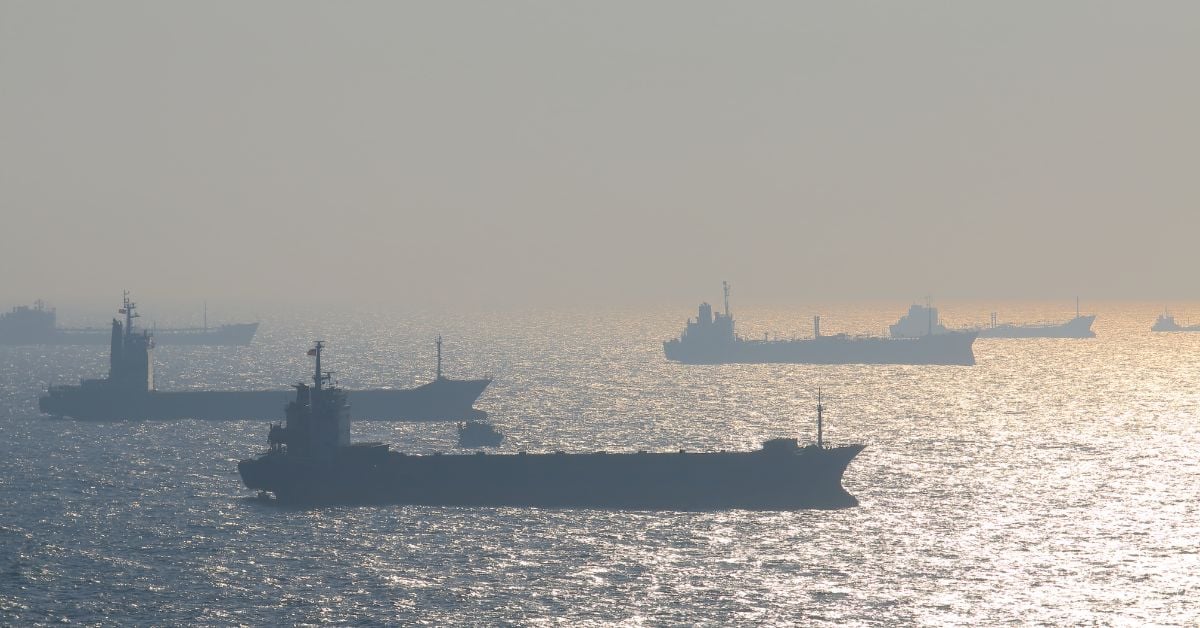
Drone Attacks Ignite Russian Tankers Off Romania's Black Sea Coast
Two tankers of Russian origin were struck by drones off Romania's Black Sea coast, igniting fires that underscore the growing intersection of geopolitical conflict and maritime risk. This incident demands empirical attention: such attacks disrupt trade routes and threaten marine ecosystems in a region already under environmental stress. For deeper context on how shifting trade dynamics and climate pressures are reshaping shipping, see our related coverage on maritime fees signaling friction in trade amid climate and shipping integration.
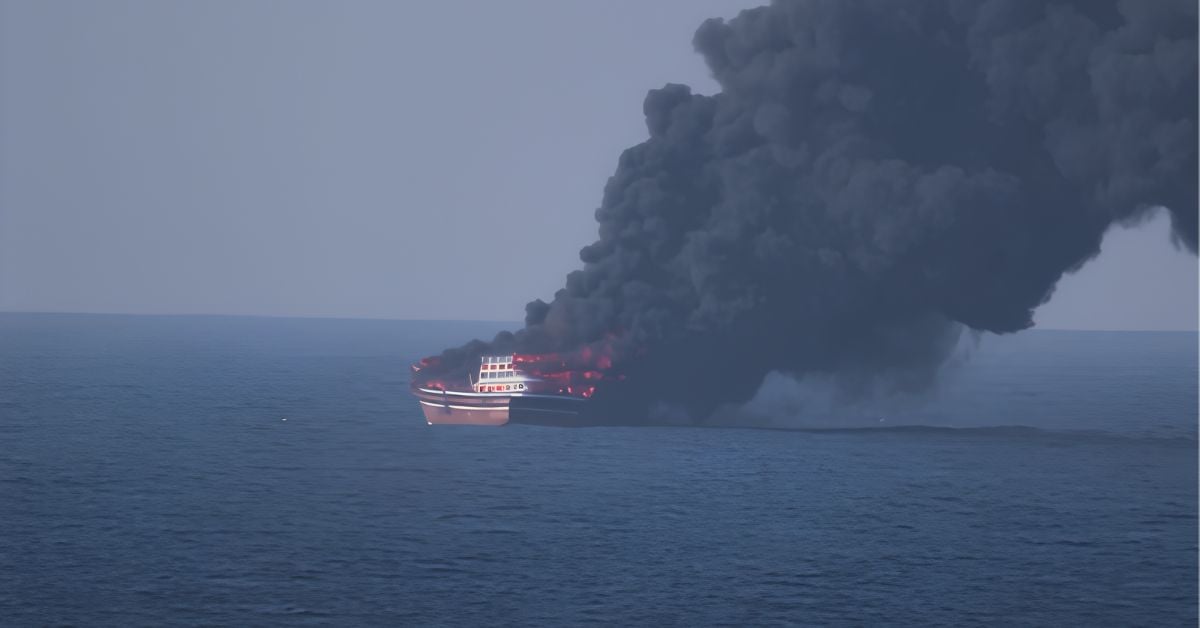
US Forces Neutralize Iranian-Affiliated Vessel in Gulf of Oman
A U.S. naval force destroyed an Iranian-affiliated dhow in the Gulf of Oman after it was accused of conducting surveillance on American warships. The action underscores the escalating maritime tensions in a region already defined by fragile data and contested waterways. For context on the stakes for ocean intelligence, see our related coverage of the Strait of Hormuz Posture Raises Stakes for Maritime Data Verification. Understanding drives protection, but only when the data is validated.
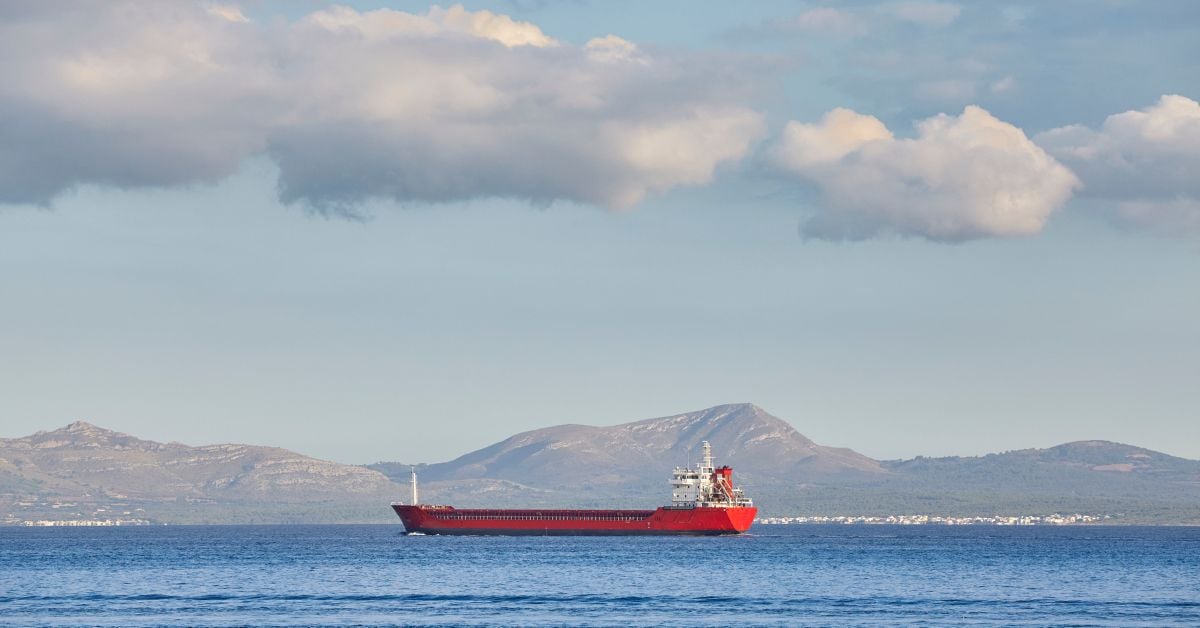
Bulgaria concludes search for missing crew after drone strike in its waters
Bulgaria has ended the search for missing crew members of a cargo vessel that sank 70 nautical miles off its coast after a drone strike. This measured decision reflects the grim realities of escalating maritime threats. The incident is not isolated; as our coverage notes, "Black Sea Maritime Attacks Injure Two Indian Seafarers, Urge Immediate Action" documents four vessels attacked in just 48 hours. These empirical data points demand integrated, real-time monitoring to protect seafarers and global supply chains.

MV Ocean Winner Sinks in Bay of Bengal; 22 Crew Missing
The MV Ocean Winner, a Panama-flagged bulk carrier, has sunk in the Bay of Bengal off Odisha, leaving 22 crew missing and only two survivors rescued from liferafts. The incident underscores the harsh realities of maritime transit in these waters, where operational risks remain high despite advancing navigation technology. Rescue efforts are now the priority, but the loss raises pressing questions about crew safety protocols.

Caspian Sea Vessel Attacked: Iran Seeks Compensation Following Drone Strike
Iran's ambassador to Russia, Kazem Jalali, confirmed that Tehran is seeking compensation after a drone strike targeted the Anna, an Iranian-flagged cargo vessel in the Caspian Sea. The attack raises pointed questions about maritime security in a region already marked by strategic tension. Russia, for its part, has linked such incidents to broader military posturing, as seen in recent strikes on Ukrainian port infrastructure. This incident underscores the fragile line between commercial passage and geopolitical conflict, one that demands calibrated, evidence-based responses, not speculation.

Red Sea Tensions Rise: Houthis Report Strike on Saudi Vessel
The latest Houthi claim of a strike on a Saudi vessel lands with familiar weight, arriving just days after a missile attack killed six crew members aboard the cargo ship *Tihamah* in the Bab al-Mandeb Strait. Each incident tightens the knot on maritime security, and the pattern is measurable. These are not isolated provocations; they are pressure points on a route that sustains global trade.

Drone Attacks Leave Bulk Carrier Adrift in Black Sea
A German-owned bulk carrier is adrift in the Black Sea after a drone attack on August 5, 2026, a stark reminder that commercial shipping remains in the crosshairs of regional conflict. The vessel, Emil, now sits vulnerable, its crew's fate uncertain. This incident underscores a troubling reality: maritime routes are no longer safe passageways but potential targets.

Caffa Transfer to Ukraine Confirmed: Swedish Court Ruling in Grain Case
A Swedish court has confirmed the transfer of the Caffa to Ukraine, ending the vessel's detention by authorities in March 2026. The 96-metre general cargo ship, with a deadweight capacity of 4,337 tonnes, now moves under Ukrainian control following a ruling in a grain-related case. The decision is a measured legal step, one that underscores how maritime disputes intersect with broader geopolitical realities. For context on regional port disruptions, see our coverage of strikes targeting vessels and infrastructure.

Black Sea Attack: RORO Ship Crew Faces Critical Injuries Amid Drone Assault
Three crew members of a Turkish-owned RORO ship are in critical condition after a drone swarm struck their vessel in the Black Sea. This attack underscores a grim reality: commercial shipping has become a target. Such assaults demand a calibrated, international response grounded in maritime law. The incident follows the strikes on ports and vessels confirmed by Russia, and we urge readers to review our coverage of those broader military actions. Protecting seafarers remains an urgent, shared responsibility.
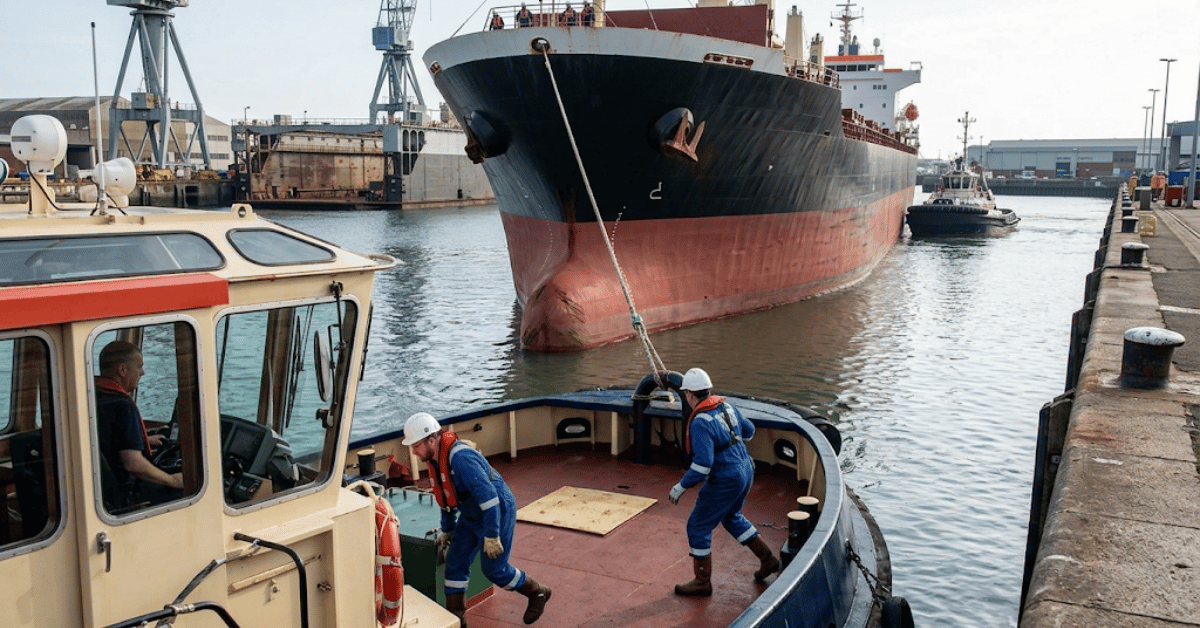
Enhanced Visibility: A Critical Lesson from Recent Tug Operations.
A fatal tug accident during a shipyard berthing operation has renewed urgent attention on line-handling safety. The loss underscores a hard truth: visibility alone does not prevent tragedy when procedures are not rigorously calibrated to real-world conditions. Recent coverage, including the drone strike on an LPG tanker near the Strait of Hormuz, reminds us that maritime risks demand integrated, measurable responses. This incident is not isolated; it is a call to validate every operational step. Understanding drives protection, and that understanding must begin now.

Strait of Hormuz Attack: Search Underway for Missing Engineer
The Strait of Hormuz is narrow, strategic, and now the site of a search for a missing engineer. The third engineer of the Liberian-flagged bulk carrier Minoan Pioneer has gone missing following an attack on the vessel. The human cost is immediate, even as the geopolitical currents shift around this waterway. While negotiations aim to ease restrictions, the reality of risk remains.

Securing Maritime Routes: Urgent Global Action Needed to Protect Shipping.
Attacks on commercial shipping across the Black Sea, Red Sea, Gulf of Aden, and Strait of Hormuz are no longer isolated incidents; they are a coordinated challenge to global trade. This pattern demands a unified, empirical response, not reactive patchwork. The data is clear: maritime routes are increasingly contested, and the cost of inaction is measurable. We support urgent, collaborative action to protect these vital corridors. For deeper context on the region's pressures, our coverage of Gulf of Oman STS transfers offers a relevant perspective.

Plastic Pellet Spill Impacts River Tyne Ecosystem, Demands Integrated Assessment
A container ship collision on the Tyne has sent plastic pellets into the river, adding an environmental toll to an incident that also collapsed a dockside crane and sent one person to hospital. The spill demands an integrated assessment, not a piecemeal response. Pellet pollution does not respect administrative boundaries; it moves, settles, and persists. Measured, empirical tracking is required to calibrate the damage. This echoes the operational fragility seen in our coverage of the MSC Hermes III rescue, where coordinated action proved decisive.

Tugboat Sinks in Indonesian Waters; Crew Rescued Amid Severe Weather
When a tugboat crew in Indonesian waters severed their towline in an attempt to regain control amid severe weather, the vessel remained perilously unstable. Their rescue underscores a reality we track closely: the ocean does not forgive miscalibration. This incident is a stark reminder that integrated data ecosystems, like those enabling the swift response detailed in our coverage of the *Ocean Data Enables Swift Rescue of Injured Seafarer Near Andamans*, are not optional. They are essential for operational safety.

West Asia Shipping Attacks: Indian Seafarers Bear the Highest Risk.
The latest wave of West Asia shipping attacks places Indian seafarers at the front line, accounting for the majority of casualties in the ongoing U.S.-Iran conflict. This is a stark measure of human cost within a crisis too often reduced to tonnage and transit fees. The numbers demand attention, not abstraction. For deeper context on how these disruptions are reshaping regional logistics, our related piece, "Gulf of Oman STS Transfers Max Out Amid Rising Saudi Oil Exports," details the strain on alternative routes.