carbon dioxide emissions
6 stories filed under carbon dioxide emissions on World Data Ocean. The newest of them: “Ammonia-Fueled Bulk Carrier Opens First Voyage With 210,000-Tonne Payload”, “A validated milestone for zero-emission shipping: hydrogen tanker completes sea trials”, and “Shore power at Nhava Sheva anchors India's first blue-financing network”. The world's first ammonia-fueled bulk carrier has opened its maiden voyage with a 210,000-tonne payload, built at China's Qingdao Beihai Shipyard. A 4,800 DWT hydrogen tanker has completed sea trials, validating a zero-emission configuration with a four-stroke hydrogen engine. A Global Hub for Ocean Intelligence 4 World Data Ocean is a centralized digital platform where researchers, scientists, and ocean enthusiasts converge to… The list below is every carbon dioxide emissions story on World Data Ocean, newest first.
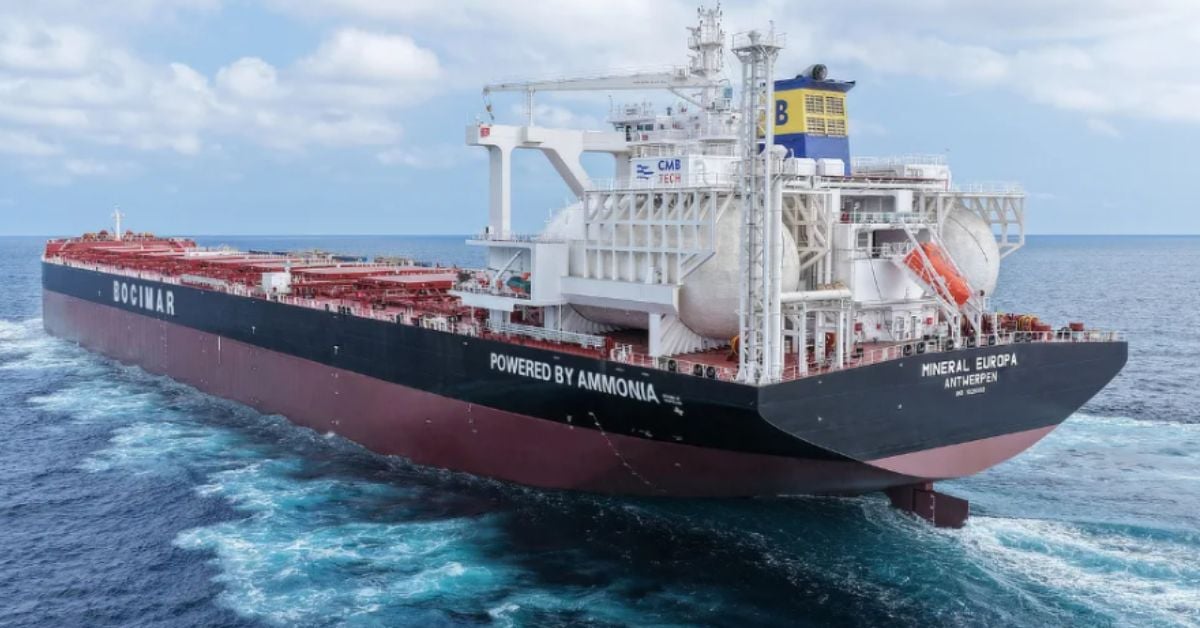
Ammonia-Fueled Bulk Carrier Opens First Voyage With 210,000-Tonne Payload
The world's first ammonia-fueled bulk carrier has opened its maiden voyage with a 210,000-tonne payload, built at China's Qingdao Beihai Shipyard. This is a calibrated step toward measurable decarbonization in heavy maritime shipping, not a symbolic gesture. Real-world operation of such a vessel validates a tangible alternative to traditional fuel pathways. For deeper context on port resilience, see our related piece on calibrating port resilience against measurable cyclone-driven economic loss.
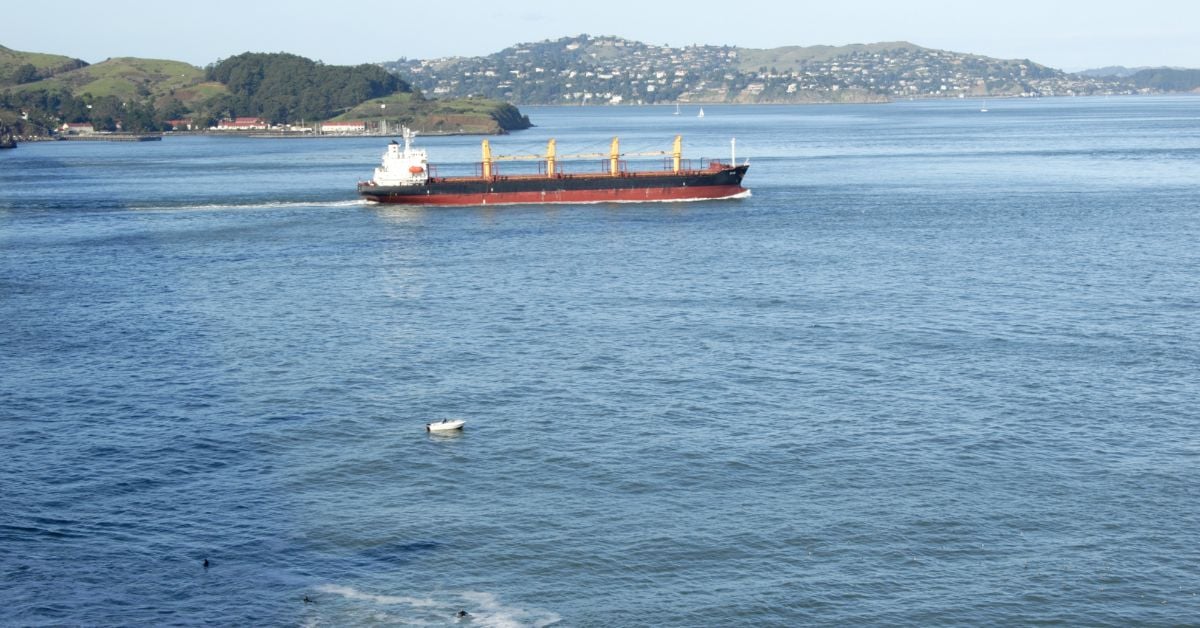
A validated milestone for zero-emission shipping: hydrogen tanker completes sea trials
A 4,800 DWT hydrogen tanker has completed sea trials, validating a zero-emission configuration with a four-stroke hydrogen engine. This is a measured, empirical step toward decarbonizing maritime transport. The Kikou Maru proves that integrated clean-fuel systems can perform under real-world conditions. For deeper context on how shifting maritime routes are reshaping global trade, see our related coverage, "Geopolitical shocks reshape shipping routes with measurable regional divergence."
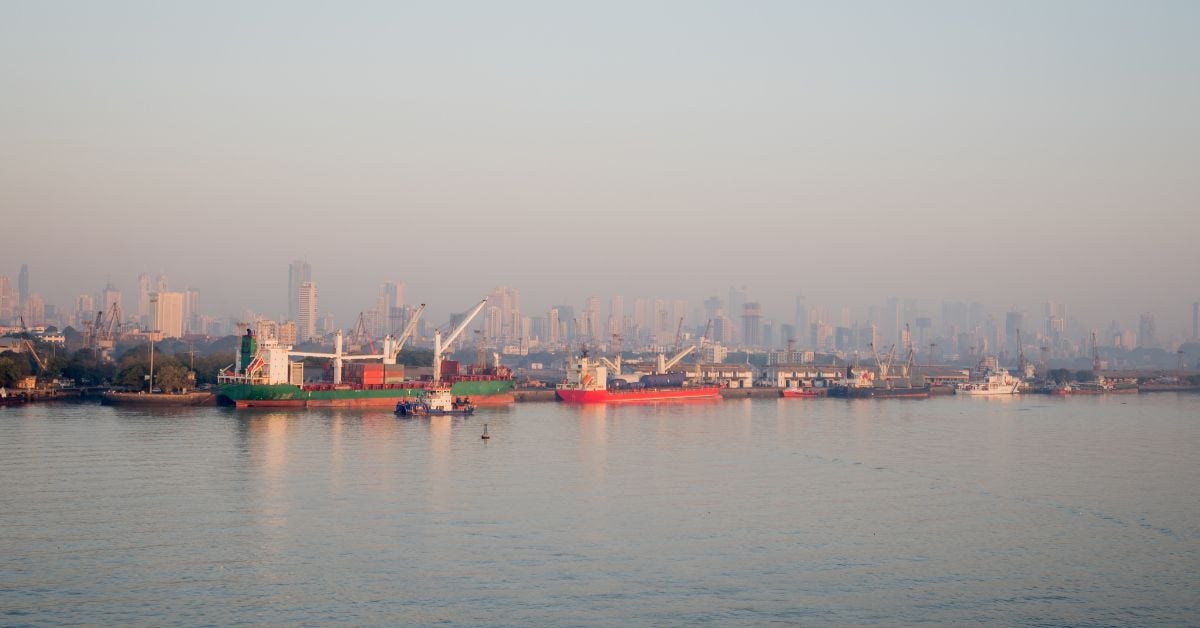
Shore power at Nhava Sheva anchors India's first blue-financing network
A Rs 650 crore shore-power project at Jawaharlal Nehru Port anchors India's first blue-financing network. This is how measurable climate action begins: validated infrastructure, integrated financing, and real-time emission reductions. The network links environmental performance to capital, giving ocean stewardship a practical lever. Readers tracking maritime security risks may find our related coverage of strikes on Odesa Port relevant to the broader geopolitical context shaping port investments. Understanding drives protection.
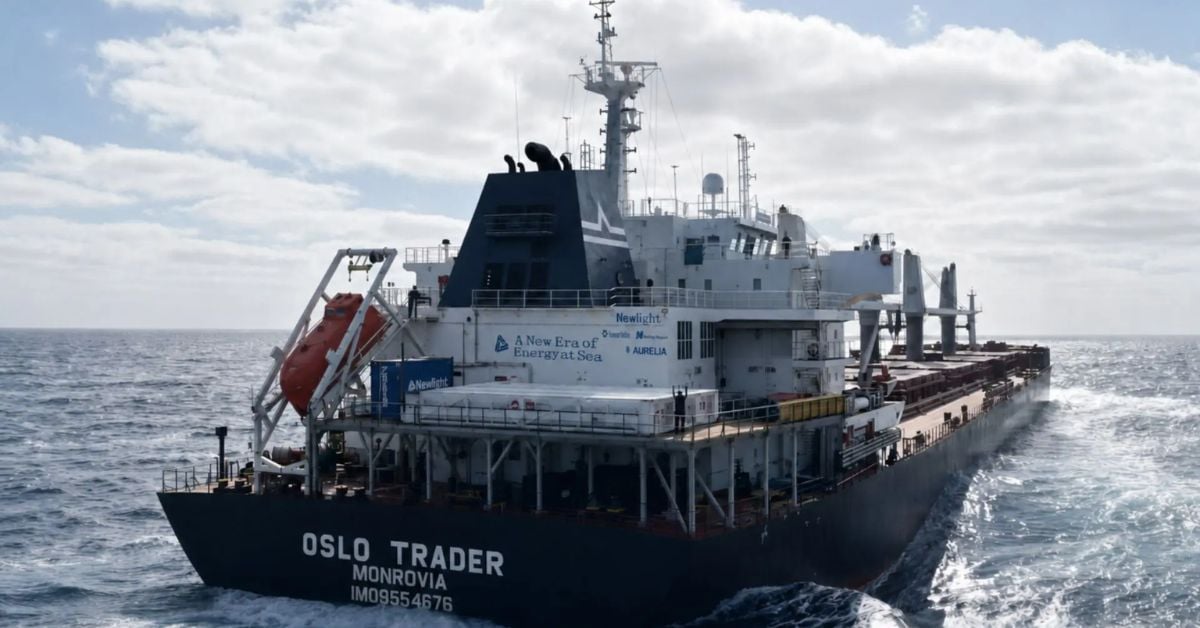
Hydrogen-Hybrid Propulsion Validates 24% Fuel Reduction on Transoceanic Voyage
A hydrogen-hybrid retrofit has delivered a 24% fuel reduction on a transoceanic voyage, a result that moves marine decarbonization from theory into measurable practice. Newlight's system, fitted to a bulk carrier's diesel engine, completed the 8,500-nautical-mile run from Singapore to Ghana with validated efficiency gains. This is the kind of empirical progress shipping needs, real-world performance, not pilot-project promise. For more on how such vessels face persistent hazards, see our coverage of the bulk carrier freed after grounding near Gladstone, Australia.

Callao Port Integrates Shore Power, Advancing Sustainable Maritime Operations
Callao's South Terminal now runs on shore power, making it DP World's third facility to do so, alongside Canada's Prince Rupert and Vancouver ports. The move grounds maritime operations in measurable, real-time emission reductions. It is a practical step toward cleaner ports, one that aligns operational efficiency with climate indicators rather than promise. For readers tracking port electrification, our coverage of the Chattogram Port lease dispute offers a useful counterpoint on labor and governance tensions in global terminal management.

Scaling Ocean Power: China's New Wind Converter Station Signals Progress
A hundred kilometers off Yangjiang's coast, China has switched on what it calls the "Heart of Offshore Wind," a new converter station designed to transmit clean energy from distant turbines to the grid. The move signals measurable progress in scaling ocean power, turning ambitious engineering into practical climate infrastructure. It is a reminder that offshore wind's next chapter depends less on turbine size alone and more on the integrated systems moving that energy ashore.