bulk carriers
9 stories filed under bulk carriers on World Data Ocean. The newest of them: “Fuel cell order powers two more hydrogen-electric bulk carriers”, “Steel cut for first unified dry cargo vessel in Russia's new fleet platform”, and “Understanding Ship Anatomy: Key Components and Maritime Terminology”. A SEK 27 million order from PowerCell Group will supply fuel cell systems for two more hydrogen-electric bulk carriers, advancing a proven path toward zero-emission shipping. Steel has been cut for the lead KSD1 dry cargo vessel at the Krasnoye Sormovo shipyard, marking the first unified hull in Russia's new fleet platform. A Global Hub for Ocean Intelligence 4 World Data Ocean is a centralized digital platform where researchers, scientists, and ocean enthusiasts converge to… The list below is every bulk carriers story on World Data Ocean, newest first.
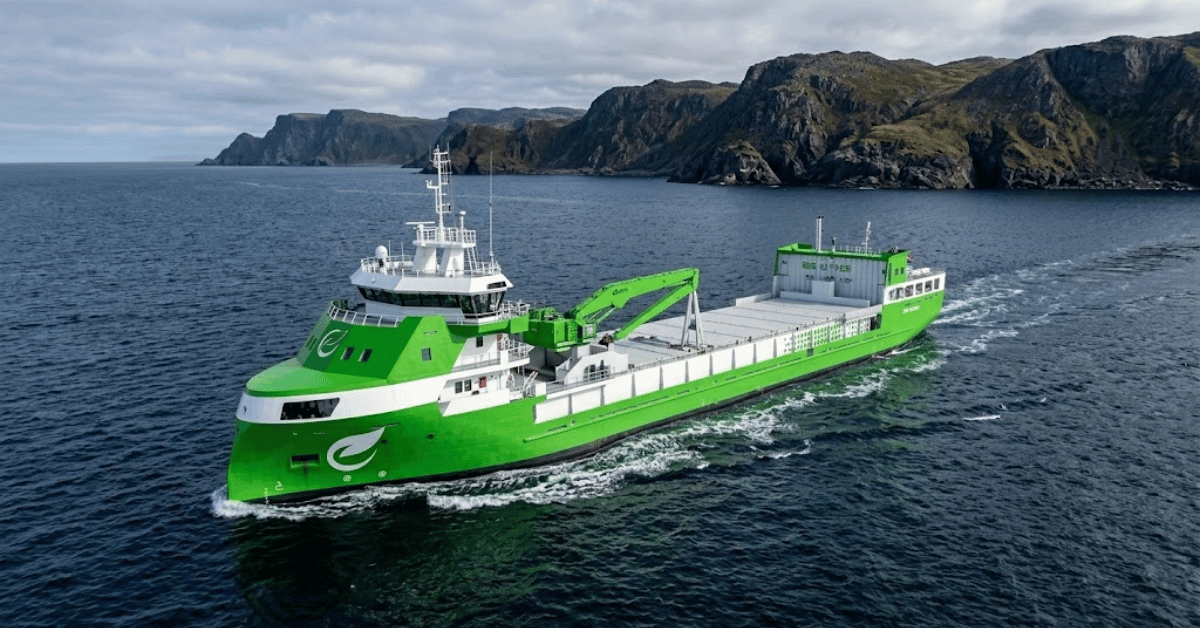
Fuel cell order powers two more hydrogen-electric bulk carriers
A SEK 27 million order from PowerCell Group will supply fuel cell systems for two more hydrogen-electric bulk carriers, advancing a proven path toward zero-emission shipping. This is measurable progress, validated technology scaling for real-world impact. The industry's momentum grows clearer with each vessel. For deeper context on maritime integrity standards, see our related coverage on MACN's new classification society members. Understanding drives protection, and this order delivers both.
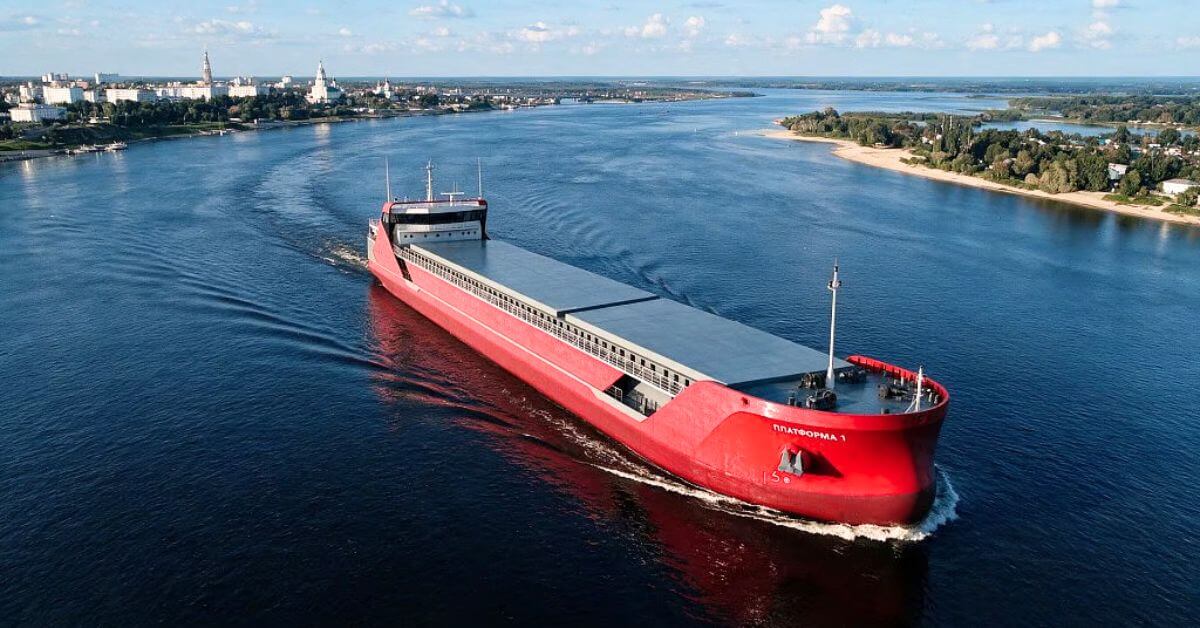
Steel cut for first unified dry cargo vessel in Russia's new fleet platform
Steel has been cut for the lead KSD1 dry cargo vessel at the Krasnoye Sormovo shipyard, marking the first unified hull in Russia's new fleet platform. This is a measured step in industrial continuity, not a headline grabber. The vessel's construction proceeds alongside broader maritime tensions. Readers tracking disruption in the Black Sea may find our coverage of the captain charged over Ukrainian grain instructive, the two stories belong to the same complex seascape. Understanding drives protection.
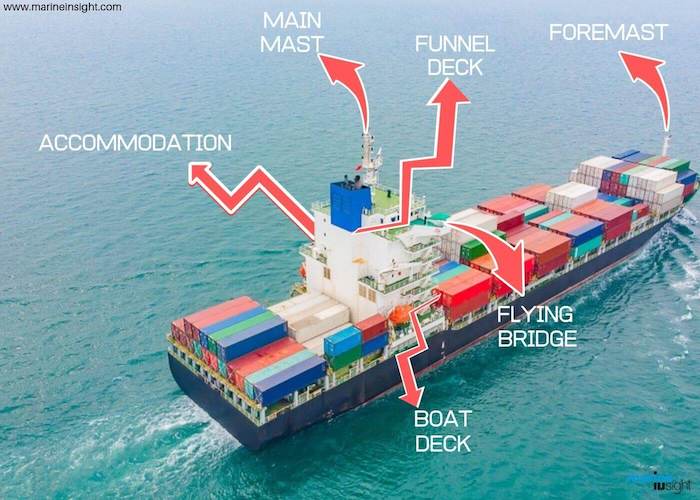
Understanding Ship Anatomy: Key Components and Maritime Terminology
A ship's anatomy is a study in precision, where every component from bow to stern serves a purpose. The hull provides the foundation, the deck frames operations, and the bow and stern define direction and stability. Understanding these elements is not just technical knowledge; it is the language of maritime safety and efficiency. We break down the core parts and essential terminology clearly.
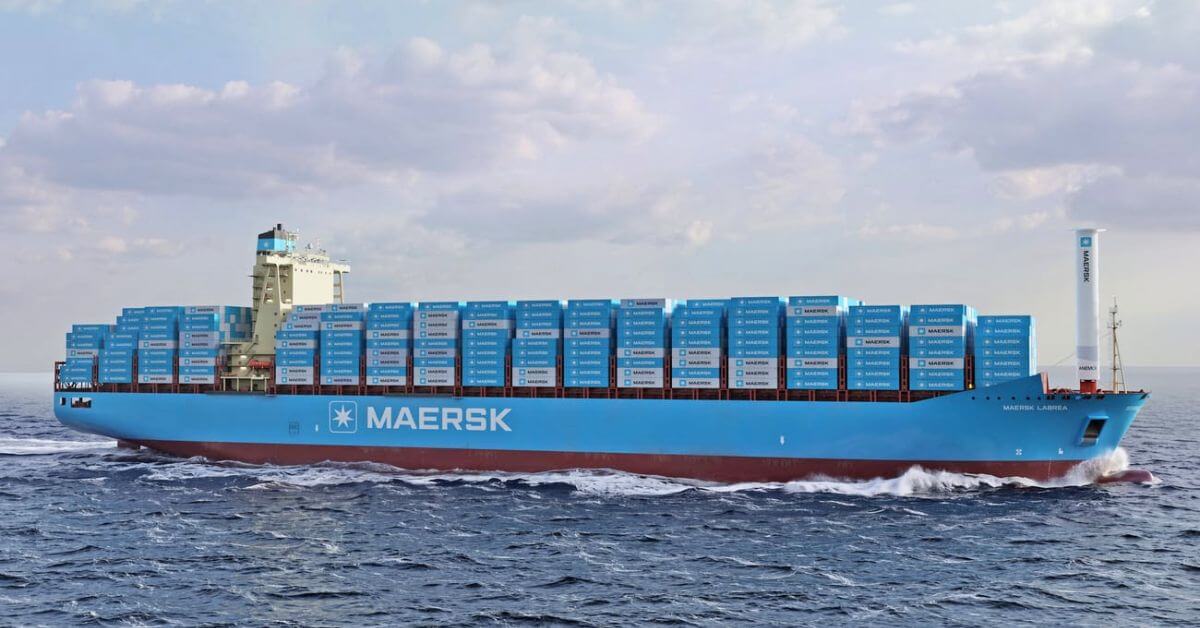
Data-Driven Wind Propulsion: Maersk Integrates Rotor Sail Technology
Anemoi has already fitted its Rotor Sail technology across bulk carriers, and now Maersk is integrating that same system into its fleet. The move signals a practical step toward measurable fuel efficiency, not a gesture. Wind propulsion is no longer a concept study; it is operational hardware earning its place beside conventional power. For readers tracking maritime risk and resilience, our coverage of the drone strike near the Strait of Hormuz shows how quickly operational realities shift.

Shipping Disruptions Impact Russian Coal Exports Amidst Black Sea Conflict
A shortage of available vessels is now constraining Russian coal exports through Black Sea ports, a direct consequence of Ukrainian drone attacks disrupting shipping. The pressure on this route is not incidental; it is a measurable shift in the region's commercial viability. While Moscow adapts its broader maritime strategy, as seen in our coverage of the Northern Sea Route icebreaker levy, this immediate bottleneck underscores how conflict reshapes trade logistics.

Black Sea Disruptions: Grain Exports at Risk, Global Food Prices Rise
Wheat prices are climbing again as attacks on Black Sea ports and vessels put grain exports at risk. The disruption is not abstract; it is measurable in global markets and in the cost of food. This is a reminder that maritime security and food security are the same issue, viewed from different angles. For context on how regional instability shapes shipping and trade, our related piece on Gulf of Oman STS transfers offers a useful parallel.

Sea of Azov: Armed Grain Ships Raise Export and Security Concerns.
The Sea of Azov now anchors a fraught equation: roughly one-quarter of Russia's grain exports move through its waters, and armed ships have turned that volume into a security flashpoint. When the world's largest wheat exporter militarizes a vital corridor, the stakes extend beyond cargo manifests. This is not abstract geopolitics; it is measurable pressure on global food flows. For deeper context on how Russia is recalibrating its maritime strategy elsewhere, our related piece on Arctic icebreaker funding offers a useful counterpoint.

Record-Breaking Vessel Redefines Efficiency in Global Maritime Logistics
China State Shipbuilding Corp has delivered a self-discharging vessel that sets multiple records, redefining efficiency in global maritime logistics. This is not just a win for engineering; it is a measurable step toward smarter, more sustainable shipping. The vessel's design integrates practical innovation with operational precision, proving that record-breaking performance and environmental responsibility can move in the same current. For context on how data shapes such advances, our related piece on Maersk's rotor sail integration offers a useful parallel.

Asia Sees Seven-Year Low in Ship Robberies During First Half of 2026
Armed robbery against ships in Asian waters fell to its lowest level in seven years during the first half of 2026, a measurable sign of progress in maritime security. The decline validates sustained patrols and regional coordination, though it is no cause for complacency. Fewer incidents mean safer sea lanes, but the trend must hold across a full year to carry real weight. For broader context on regional naval strategy, our coverage of India's expanded fleet projections offers a useful counterpoint.