archaeology
World Data Ocean keeps archaeology in one place: 7 stories so far. The section currently leads with “Denisovan Life Unveiled: Fossil Discoveries Offer New Insights”, “Lost Ship Reveals Clues to Caribbean Trade and Smuggling History”, and “Charting a Course: Exploring Marine Archaeology and Future Careers”. A fragment of tooth, a scatter of bone, and stone tools from a cave in China now sharpen our view of Denisovan life. A wooden hull resting 4.25 kilometres off the coast near La Victoria, inside the Sian Ka'an Biosphere Reserve, is rewriting what we know about Caribbean trade routes. A Global Hub for Ocean Intelligence 4 World Data Ocean is a centralized digital platform where researchers, scientists, and ocean enthusiasts converge to… The list below is every archaeology story on World Data Ocean, newest first.
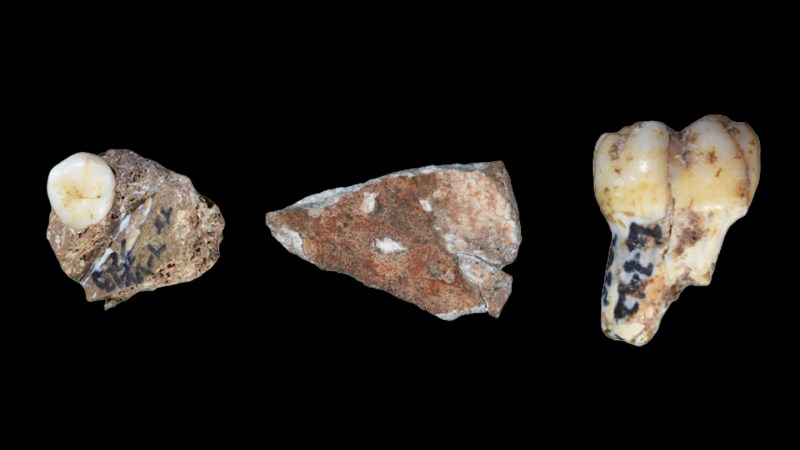
Denisovan Life Unveiled: Fossil Discoveries Offer New Insights
A fragment of tooth, a scatter of bone, and stone tools from a cave in China now sharpen our view of Denisovan life. This is empirical evidence, not speculation. These fossils, alongside animal remains, offer measurable clues about how this enigmatic species lived. Understanding drives protection. For deeper context on how ancient and modern systems connect, see our related coverage on integrated subsea infrastructure shifting Indian Ocean connectivity.
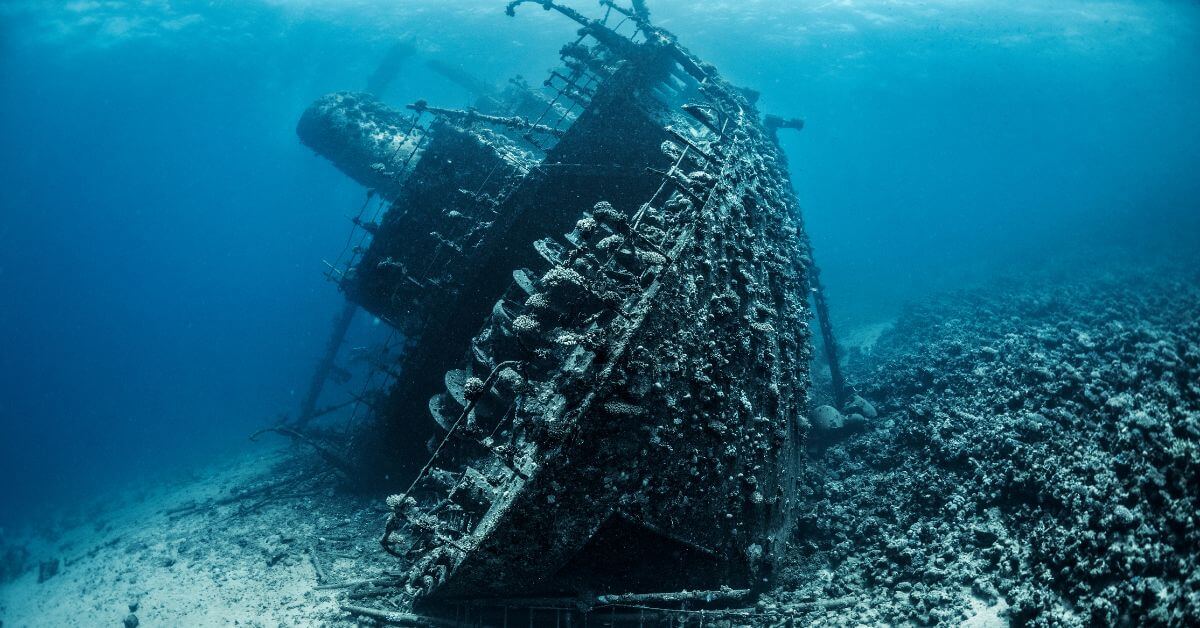
Lost Ship Reveals Clues to Caribbean Trade and Smuggling History
A wooden hull resting 4.25 kilometres off the coast near La Victoria, inside the Sian Ka'an Biosphere Reserve, is rewriting what we know about Caribbean trade routes. This wreck is not just a relic; it is a measured record of commerce and contraband, a tangible piece of ocean intelligence. We see the value in such empirical finds, which anchor our understanding of historical networks.
Charting a Course: Exploring Marine Archaeology and Future Careers
The post from a 17-year-old uncertain about marine archaeology arrives at a pivotal moment. The student's instinct to blend a humanities background with ocean science is not a detour; it is a practical fusion. Marine archaeology demands exactly this integration of historical context and technical skill. The fear that AI will replace journalism is valid, but the field of underwater heritage needs human judgment for interpretation. This path is less about picking a side and more about combining strengths.

Unearthing Viking History: New Insights from a 1,000-Year-Old Burial.
A thousand years after a Viking chieftain was laid to rest, a team from the University of Stavanger's Museum of Archaeology has reopened the burial mound first examined in 1902. Their work reminds us that even well-studied sites hold untold chapters. Revisiting old evidence with new questions is how ocean intelligence deepens. For more on how nations navigate shared waters today, see our piece on NATO's intervention regarding Russian subsea cable activity.
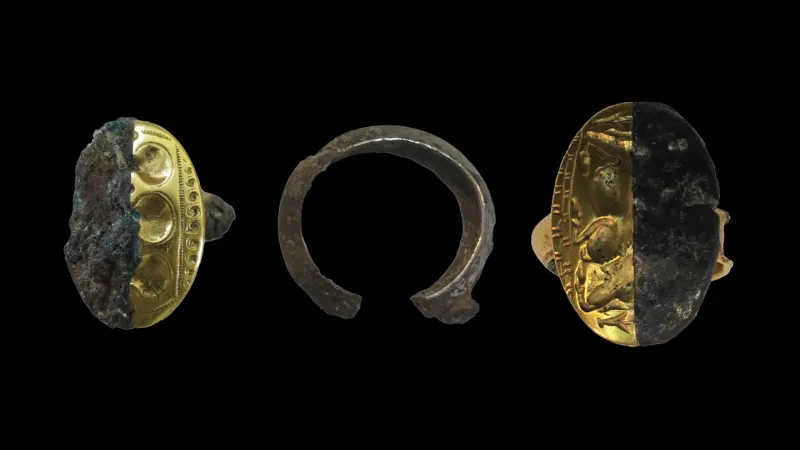
Cosmic Iron: Ancient Greek Rings Forged from Meteorites
Chemical analysis of Bronze Age iron objects suggests that Greek nobles may have worn signet rings forged from meteoritic metal, a material literally fallen from the sky. That detail reframes how we understand ancient craftsmanship and status. It is one thing to work terrestrial ore; another to shape celestial iron into personal symbols of power.
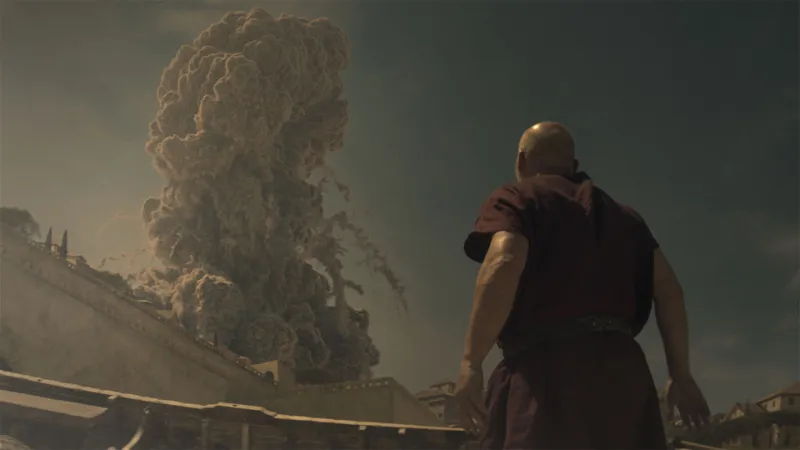
Voices of Pompeii: Reconstructing Lives Lost to the Eruption
Pompeii's ash preserved more than structures; it froze human moments in their final heartbeat. *Pompeii: Out of Time*, hosted by Tom Hiddleston, reconstructs three real lives with a blend of empirical rigor and narrative craft. This is not spectacle; it is calibrated storytelling that treats the dead as people, not artifacts. For those drawn to how past societies met their end, consider *Unearthing Viking History* for another burial's quiet revelations. Here, the past speaks clearly, if you listen.

Respecting the Past, Shaping Ethical Research on Human Remains
Science advances by confronting its own failures. Nancy Shute, Editor in Chief, opens a necessary conversation about the history of unethical practices in research on human remains, a past marked by exploitation and harm. Yet her focus is not merely retrospective; it charts a deliberate path toward rigorous, respectful standards that define modern ocean intelligence. This is how we integrate ethical calibration into empirical work: by acknowledging missteps and building a more responsible foundation.