ancient
ancient at World Data Ocean is a file of 4 stories. The newest of them: “A 2,100-Year-Old Shipwreck Yields Roman Luxury Cargo in the Eastern Mediterranean”, “Ancient Impact Crater, 390 Million Years Old, Identified in Quebec”, and “Ancient Insect Fossil Illuminates Evolution of Six-Legged Forms”. Fifteen meters of ceramic cargo lie scattered across the seabed off Türkiye, a Roman shipwreck that sank 2,100 years ago, now yielding thousands of luxury items. A chance glance at satellite maps for a camping trip has yielded a 390-million-year-old secret. A Global Hub for Ocean Intelligence 4 World Data Ocean is a centralized digital platform where researchers, scientists, and ocean enthusiasts converge to… The list below is every ancient story on World Data Ocean, newest first.
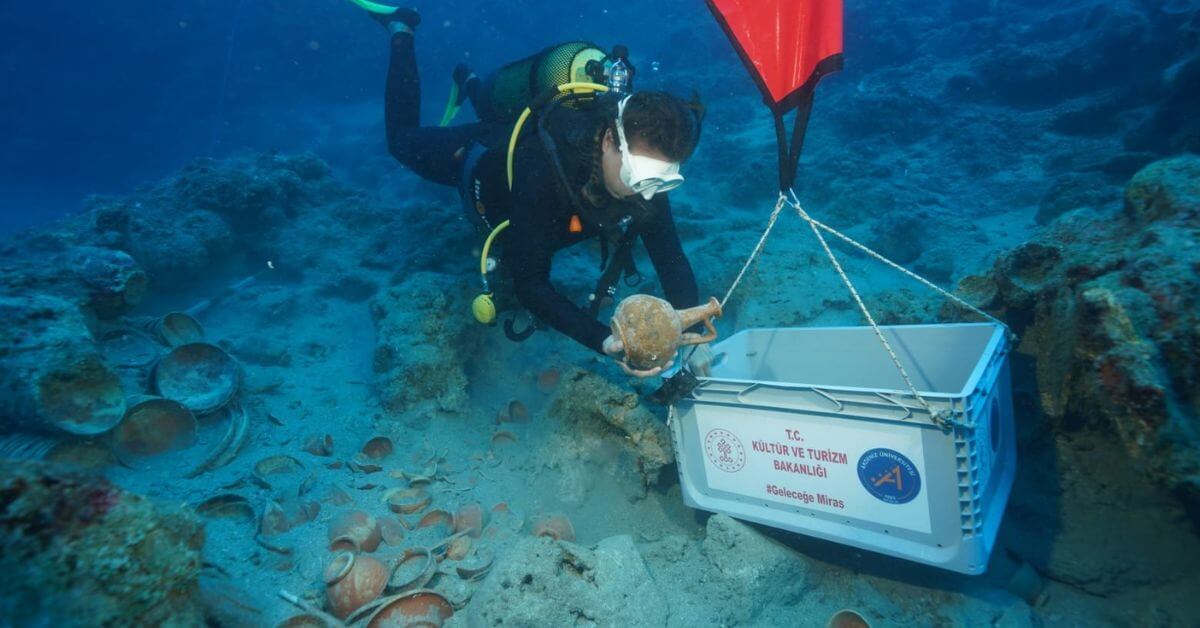
A 2,100-Year-Old Shipwreck Yields Roman Luxury Cargo in the Eastern Mediterranean
Fifteen meters of ceramic cargo lie scattered across the seabed off Türkiye, a Roman shipwreck that sank 2,100 years ago, now yielding thousands of luxury items. This is empirical evidence of ancient maritime trade routes, calibrated by time and preserved by the deep. We find it validating: every amphora recovered sharpens our integrated data ecosystem of historical climate indicators. For contemporary context on naval resilience, see our coverage of *India Builds $1.5B Maritime Shield for War-Risk Coverage*. Understanding drives protection, past and present.
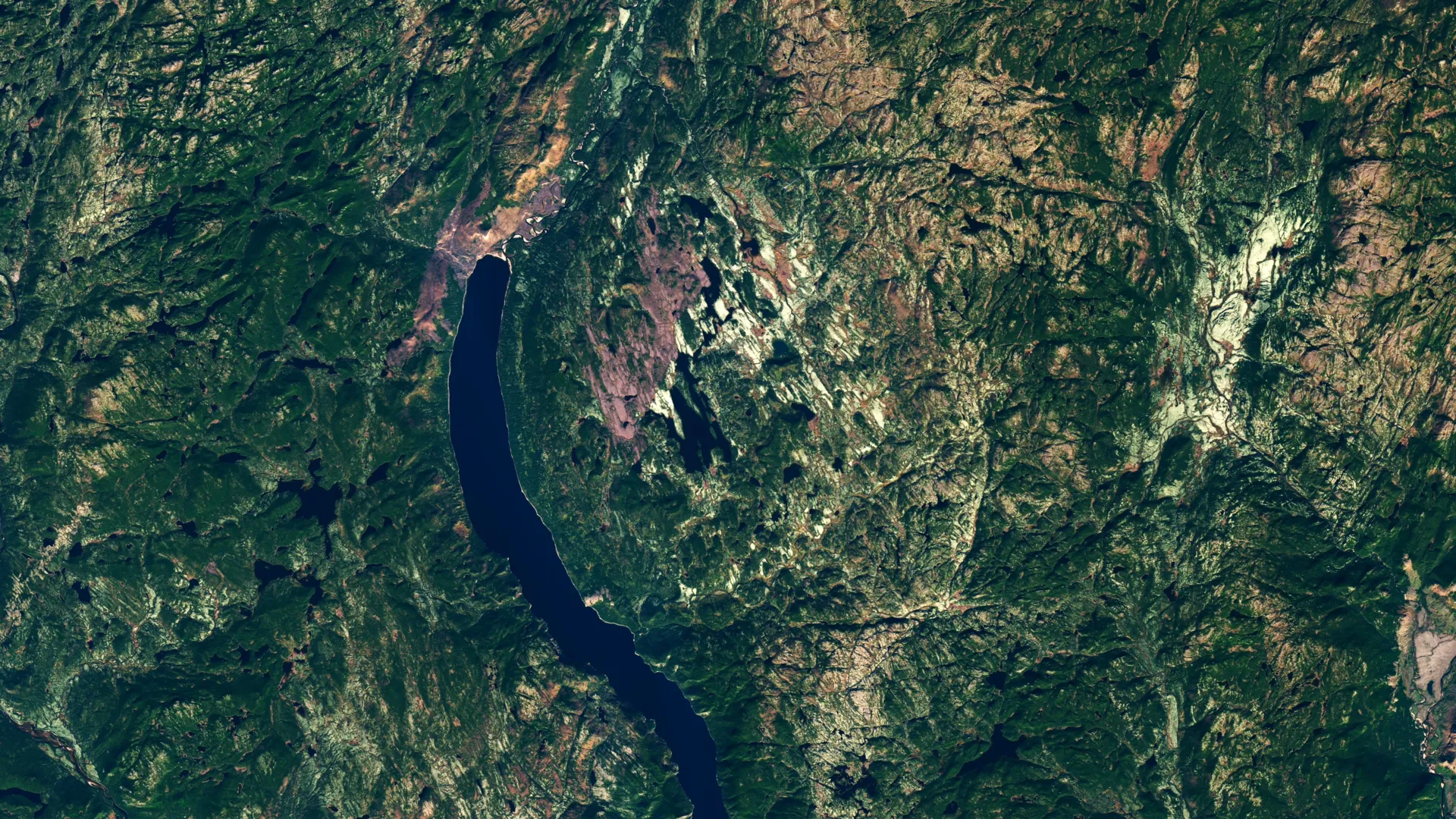
Ancient Impact Crater, 390 Million Years Old, Identified in Quebec
A chance glance at satellite maps for a camping trip has yielded a 390-million-year-old secret. An amateur astronomer's discovery in Quebec led scientists to confirm a 25-kilometer-wide impact crater, evidenced by shatter cones. It is a striking reminder that Earth's history is written in plain sight. For those tracking planetary forces, this find complements our coverage of Cascadia's Subduction Zone Reveals a Fragmented Tectonic Process, adding another layer to our understanding of the planet's dynamic, violent past.

Ancient Insect Fossil Illuminates Evolution of Six-Legged Forms
A many-legged oddball from deep time is helping close a persistent gap in the fossil record, offering a clearer view of how six-legged forms emerged. The find is a reminder that evolution often experiments before it settles on a winning design. Understanding these ancient transitions sharpens our grasp of the planet's biological history. For more on how prehistoric traits shaped survival, see our related piece on fossilized feces revealing feathered dinosaur adaptations.
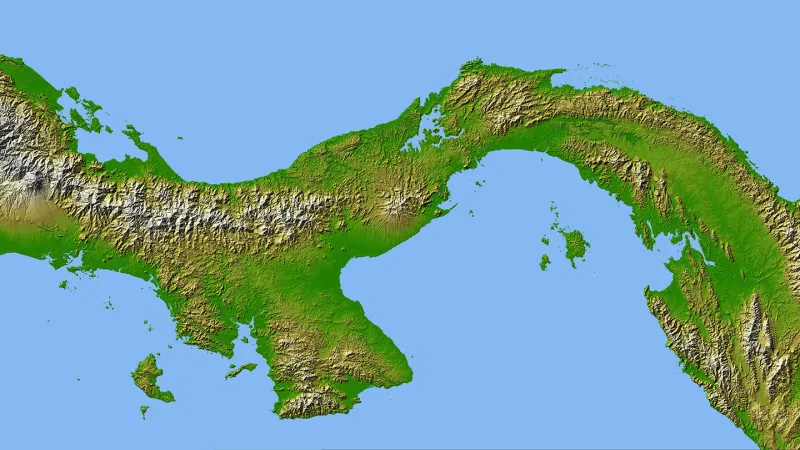
Mexico's Climate: A Pathway for Ancient Mammal Migration
The Isthmus of Panama is often framed as a barrier, but new findings suggest Mexico's climate may have turned it into a corridor for ancient mammals moving north to south. That distinction matters. It reframes a migration story we thought we understood, grounding it in measurable, empirical conditions rather than simple geography. For researchers tracking how species respond to shifting climates, this is a useful calibration of past patterns.