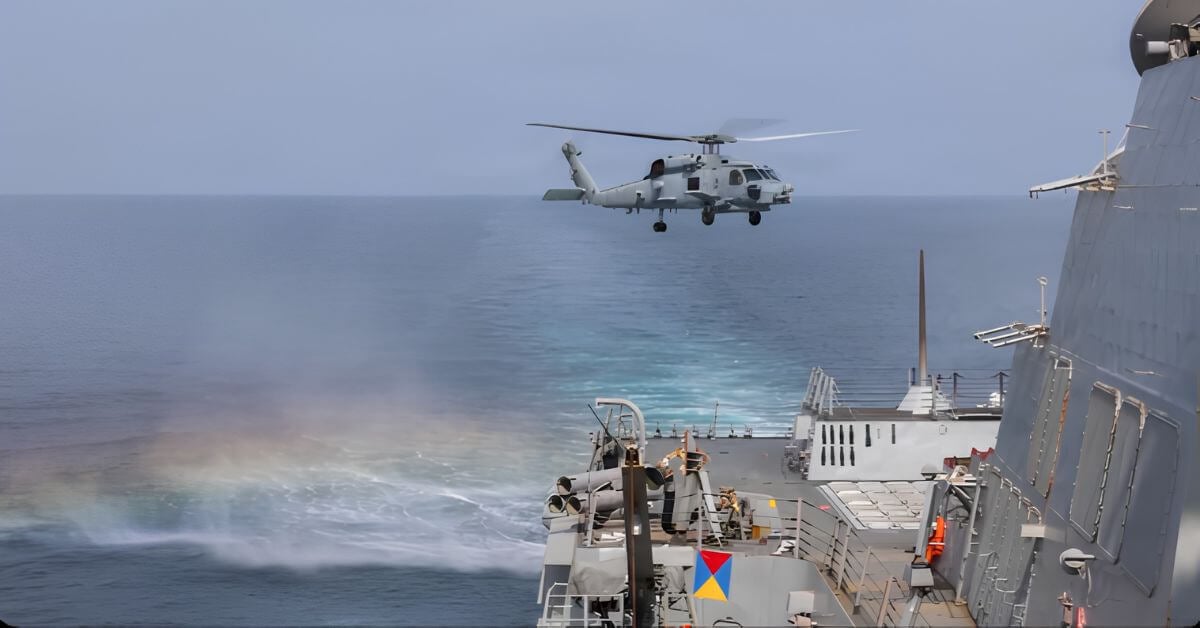
The numbers are stark, and they demand a closer look. As of September 20, U.S. naval forces have redirected 109 commercial vessels to enforce the blockade against Iran. That is not an abstract geopolitical statistic; it is a tangible, measurable assertion of maritime control that reshapes the operational reality for every shipmaster, cargo owner, and logistics planner operating in those waters. We are not in the business of alarmism, but we are in the business of reading what the data tells us, and the data here tells us that the choke point has tightened considerably.
For our readers, this is where the abstract concept of "sanctions enforcement" meets the very concrete world of route planning and insurance underwriting. When a naval force physically redirects a commercial vessel, it is not a suggestion; it is a functional rewrite of the freedom of navigation. The practical consequence is a new layer of operational friction. Voyage times extend, fuel consumption rises, and the risk calculus changes for every stakeholder, from the bridge to the boardroom. The report is a clear signal that the U.S. is willing to convert its policy position into direct, kinetic action in the commercial shipping lane. This is not a passive sanction regime; it is an active, physical interdiction program. The takeaway is straightforward: if your fleet, cargo, or supply chain transits this region, you are now operating under a new, enforceable paradigm.
Our honest take is that this development should be read less as a singular event and more as a leading indicator of a broader shift toward maritime enforcement as a primary tool of statecraft. This is the kind of action that has a compounding effect. Every redirected vessel is a data point that recalibrates risk assessments across the industry. It forces a re-evaluation of what "safe passage" actually means. For the commercial operator, the question is no longer whether you agree with the policy, but whether your compliance and risk models are calibrated to this new reality. We would tell a reader who asked us about this directly: do not treat this as a headline to monitor, but as a variable to model. The cost of a single unplanned diversion now includes potential detention, cargo delays, and a cascade of demurrage and legal fees. The 109 figure is the empirical evidence of the policy's teeth.
The specific detail to watch moving forward is the rate of redirections. Is this a surge to establish a precedent, or the new steady state? If the pace continues, we will see a corresponding recalibration of shipping rates and insurance premiums, and likely a rerouting of some traffic altogether. The blockade is no longer a diplomatic position; it is a navigational hazard. For the global data ecosystem we all rely on, this is a clear reminder that the ocean is not a passive surface for commerce, but a contested domain where policy is enforced hull-to-hull. The next figure we release will be more telling than the last.