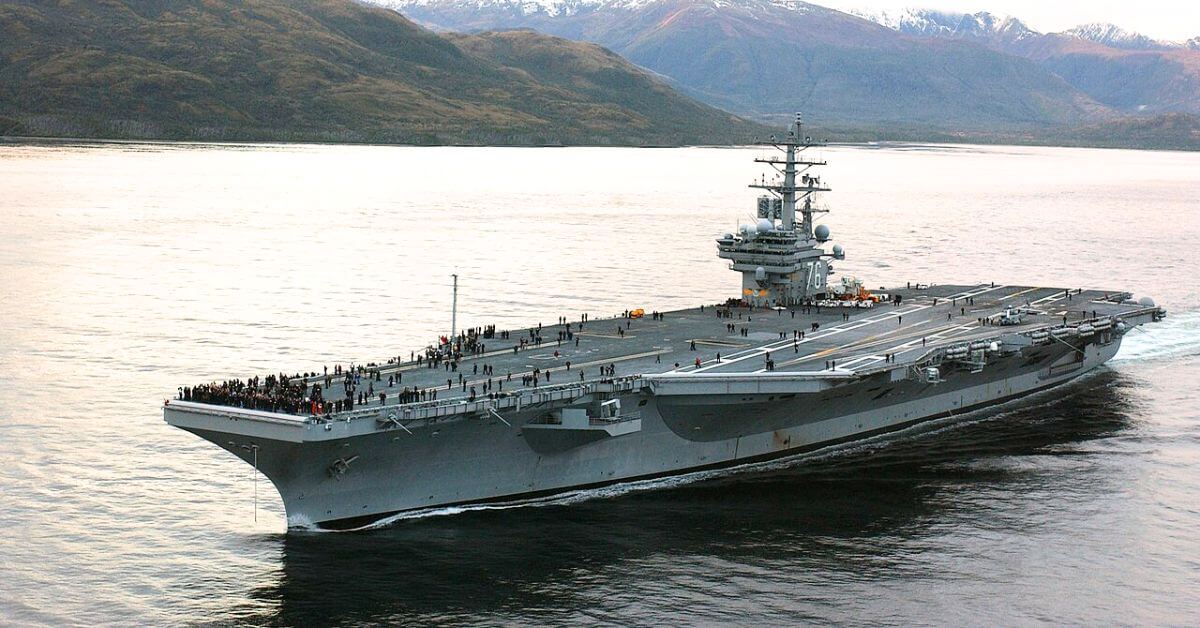
The return of USS Ronald Reagan to the fleet after an 18-month maintenance cycle is not a headline about a single ship. It is a statement about the cost of readiness and the assumptions we build into maritime strategy. For our readers, the practical question is not whether the carrier is back, but what its absence and return reveal about the industrial rhythm we have come to accept. An aircraft carrier is a floating city, a nuclear power plant, and a political signal all at once. When it goes silent for a year and a half, that silence has consequences. The maintenance cycle itself is the story, not the ship's return.
We would tell a reader who asks about this that the real metric is not the launch of a restored vessel, but the calibration of the entire deployment schedule around it. The Navy's operational tempo depends on carriers being where they are needed, when they are needed. A prolonged overhaul shifts that timeline, compressing training windows and extending deployments for other crews. The Ronald Reagan’s return is therefore a piece of integrated data, not an isolated event. It tells us that the system is absorbing stress, but it also tells us that the system has limited slack. Every month in dry dock is a month that cannot be recovered. This is why we watch the fleet’s maintenance backlog as closely as we watch its deployments. The ship is ready, but the ecosystem that supports it remains under pressure.
Our honest take is that this event should temper any impulse toward triumphalism. A carrier returning to service is not a victory; it is a return to baseline. The question that matters is what happens next. Will the maintenance schedule hold? Will the crew have enough time to train before the next deployment? These are not abstract concerns. They are measurable, empirical indicators of naval readiness. The ship’s return is a necessary condition, but not a sufficient one, for the kind of forward presence that the United States has promised its allies. We would caution our readers against reading this as a sign that the pressure is off. It is more accurate to say that the pressure has merely shifted.
The concrete point to watch is the next six months. That is the window in which the carrier's crew will conduct the workups that determine its operational credibility. A ship that is mechanically sound but tactically unpracticed is a liability, not an asset. So, we will be looking for announcements about composite training exercises and certification events. If those proceed on time, then the return is real. If they slip, then the overhaul was only half the battle. The ocean does not care about maintenance schedules. It cares about performance. And performance, not readiness posturing, is the only currency that matters.