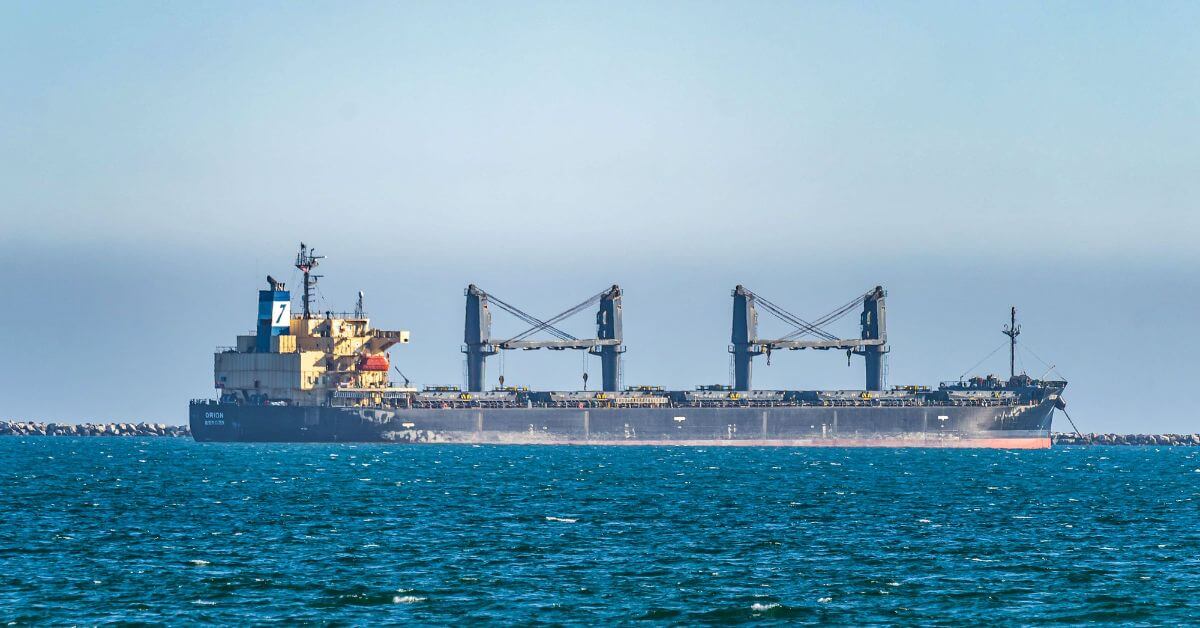
The statement from India's Permanent Representative to the UN, P. Harish, cuts through the noise of geopolitical posturing with a simple, measurable demand: commercial ships must not become targets. At a time when maritime routes are increasingly weaponized, this is not a polite suggestion but a baseline for survival. For the global community that depends on the ocean for 80 percent of trade by volume, the distinction between naval assets and civilian vessels is not a legal nuance; it is the line between order and chaos. We would tell any reader asking about this that the real story is not the speech itself, but the fragile premise it defends: that the ocean remains a shared corridor, not a battleground.
This is where the practical stakes become clear. The integrated data ecosystem that tracks vessel movements, weather patterns, and security threats is only as good as the norms that protect the ships carrying those data points. When a commercial tanker is seen as a legitimate pressure point in a diplomatic standoff, the entire architecture of marine insurance, port operations, and supply chain logistics begins to wobble. We have written before about the importance of maritime domain awareness and the role of real-time data in protecting shipping lanes. These tools can validate threats, but they cannot deter an actor who has decided that a cargo ship is a fair bargaining chip. India's call is therefore a call for calibrated restraint, not just from state actors, but from anyone with the capacity to disrupt the empirical reality that 90 percent of world trade moves by sea.
Our honest take is that this statement should be read as a warning, not a headline. The fact that a senior diplomat has to remind the Security Council that commercial vessels are not legitimate military targets reveals how far the conversation has drifted. We would tell a reader who asked us about the future of maritime commerce that the immediate thing to watch is not the rhetoric but the response. Are we seeing a move toward stronger enforcement mechanisms, or are we merely documenting violations in a peer-reviewed journal? The distinction matters because the ocean does not negotiate. Every incident that goes unanswered sets a precedent that the next aggressor will cite.
The concrete point to watch is the next UN vote on maritime security. If India's statement translates into a draft resolution with teeth, we will see a shift in how port states and flag states coordinate. If it fades into a footnote, then the integrated data ecosystem we rely on becomes a witness, not a shield. For our readers, the takeaway is this: stability is not a given; it is a continuous, empirical project. And the moment we treat the safety of commercial shipping as a secondary issue, we are already losing the water before the first shot is fired.