Passenger Ferry Collides With Tanker Off Malaysia’s Penang Port, Injuring 21 People
Our take

The recent collision between a passenger ferry and a tanker near Penang Port, resulting in 21 injuries, underscores the persistent and complex risks inherent in maritime transport. While investigations are underway to determine the precise cause – be it navigational error, equipment failure, or unforeseen environmental factors – the incident serves as a stark reminder of the potential for human and environmental consequences within our global integrated data ecosystem. These types of incidents are unfortunately not isolated; recent events like the detention of a bulk carrier in the Strait of Hormuz after alleged pollution [Iran Seizes Bulk Carrier After Alleged Oil And Sludge Discharge In Strait Of Hormuz] and the tragic sinking of a passenger ferry near Cyprus [Captain & 7 Crew Arrested After Cyprus-Turkey Passenger Ferry Sinking Which Killed 8] highlight the ongoing vulnerabilities in maritime safety protocols and the need for continuous improvement. The scale of operations, the confluence of varied vessel types, and the inherent challenges of navigating complex waterways create a constant potential for error, demanding rigorous preventative measures.
The immediate concern, of course, is the well-being of those injured and the ongoing support for those affected. However, beyond the immediate aftermath, this event compels a broader examination of maritime safety standards and the efficacy of existing preventative measures. Data-driven approaches to risk mitigation are increasingly vital. Real-time monitoring of vessel traffic, enhanced weather forecasting, and improved communication systems—all components of ocean intelligence—can contribute to safer navigation. Port infrastructure, such as that being expanded in Klaipėda [Klaipėda Port Begins Largest-Ever Expansion With €600 Million Investment], plays a crucial role in facilitating safe vessel maneuvering and reducing congestion, thereby minimizing the risk of collisions. The integration of calibrated sensor data, including those measuring sea state and visibility, provides a more comprehensive operational picture, enabling more informed decision-making by captains and port authorities. Longitudinal data analysis of near-miss incidents, for example, can reveal patterns and vulnerabilities that might otherwise go unnoticed.
The incident also raises questions about the adequacy of current regulatory frameworks and enforcement mechanisms. While international maritime law provides a baseline for safety standards, the practical application and consistent enforcement across different jurisdictions remain a challenge. Peer-reviewed research consistently demonstrates that human factors – fatigue, inadequate training, and communication breakdowns – are often contributing factors in maritime accidents. Therefore, investment in crew training, particularly in the use of advanced navigation technologies and emergency response procedures, is paramount. Furthermore, the increasing complexity of global shipping routes and the growing volume of cargo transported necessitates a more proactive and collaborative approach to maritime safety, involving governments, industry stakeholders, and research institutions. The validation of new safety technologies through empirical testing and real-world implementation is essential to ensuring their effectiveness.
Looking ahead, the development and deployment of autonomous navigation systems hold significant promise for enhancing maritime safety. However, these technologies must be rigorously tested and validated before widespread adoption, and their integration into existing systems must be carefully managed. The ability to leverage integrated data ecosystems—combining real-time sensor data, historical performance data, and predictive analytics—will be critical to optimizing vessel routing, preventing collisions, and mitigating environmental risks. The question remains: how can we foster a culture of continuous improvement within the maritime industry, prioritizing safety and environmental stewardship while embracing technological innovation to create a more resilient and sustainable ocean future?
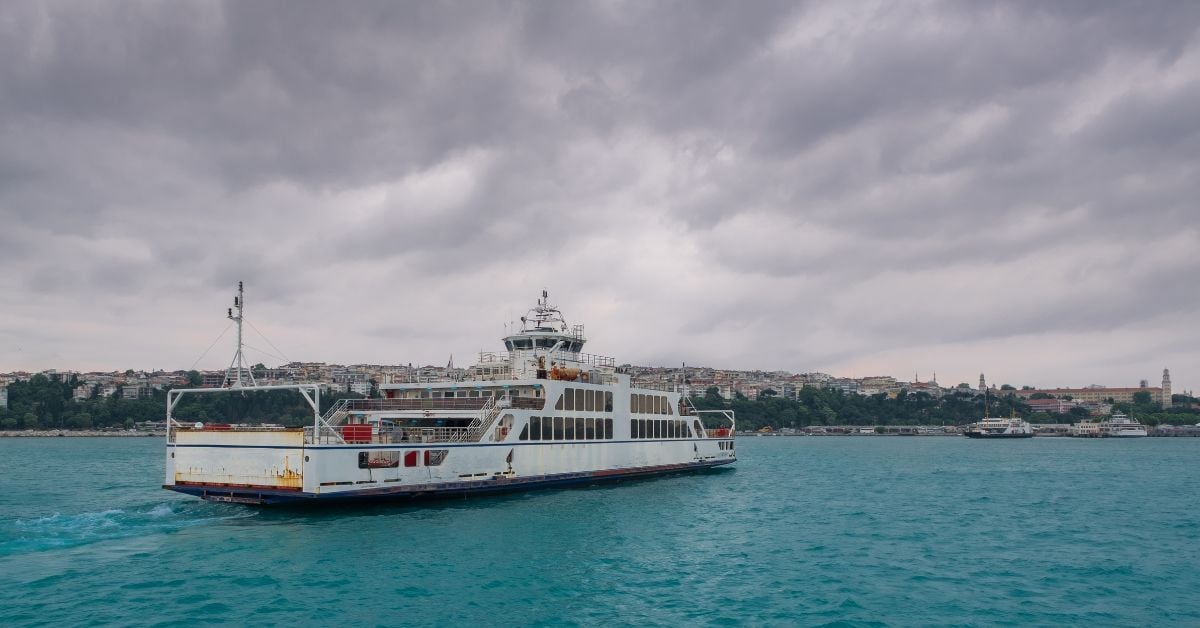
A collision between a ferry and a tanker off Malaysia’s Penang Port has injured 21 people, with 6 in severe condition, authorities informed.
The accident happened at 20:40 local time, when the ferry Teluk Bahang was sailing to the Sultan Abdul Halim Ferry Terminal, and the locally registered tanker MV Mekar Jaya was en route to Swettenham Pier Cruise Terminal from the Butterworth Deep Water Wharves.
After the distress call was received at 9:58 pm local time, the Fire and Rescue Department sent teams to assist the passengers an hour after the collision.
Other agencies also collaborated with the Department’s personnel to help evacuate the ferry, which was carrying 92 passengers. Atleast 21 people were taken to the nearby hospital for treatment, while the other patients left the place after the chaos cleared.
Chairman of the Penang Port Commission, Datuk Yeoh Soon Hin, has said that a Task Force would be formed which would include members from the company which operated the ferry to investigate the cause of the collision, if it was due to a technical failure or human negligence.
The port officials said that the collision did not impact the operations at the ferry terminal. Footage of the accident put on social media platforms by a few passengers shows many motorbikes and vehicles lying broken or on the sides after the collision.
Read on the original site
Open the publisher's page for the full experience