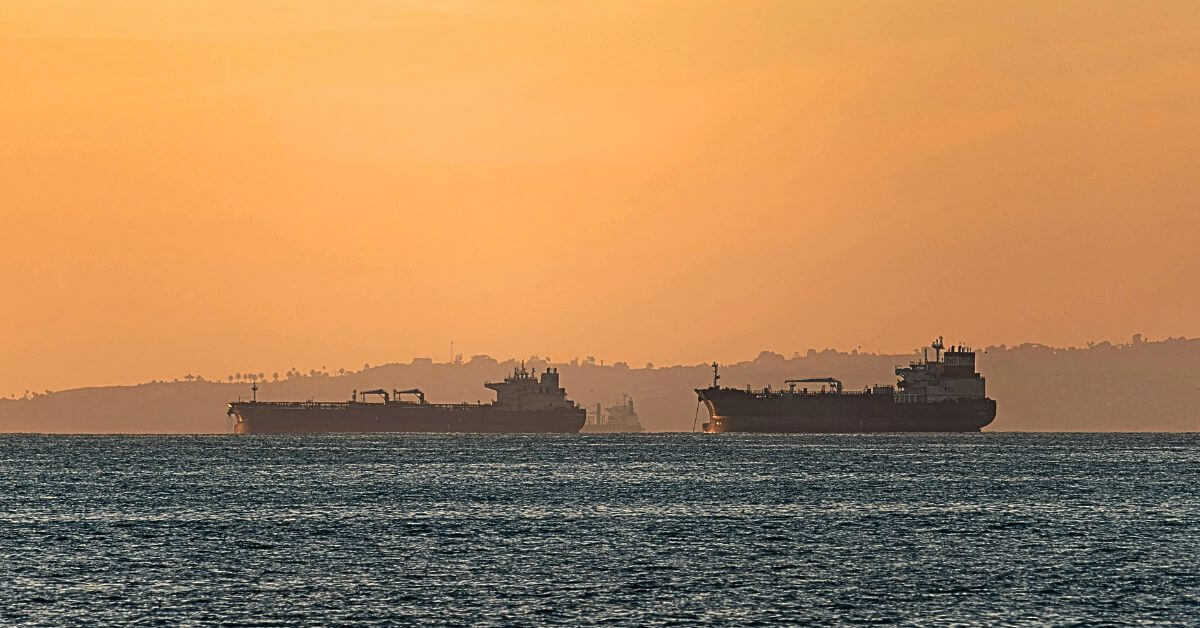
The recent passage of three Omani-managed tankers through the Strait of Hormuz, carrying substantial oil volumes via an unusual route, highlights a critical aspect of global maritime operations and the interconnectedness of energy transport with geopolitical stability. World Data Ocean recognizes the significance of such events not only for the immediate logistical implications but also for the broader insights they offer into the complexities of ocean governance and the flow of vital resources. Our approach to analyzing these developments is grounded in a commitment to scientific accuracy and a drive to provide clear, actionable intelligence. We strive to move beyond mere reporting, offering a nuanced perspective that emphasizes the underlying data and the long-term implications for ocean health and global trade.
Understanding the dynamics of major shipping lanes, such as the Strait of Hormuz, is fundamental to comprehending global energy markets and the potential vulnerabilities within them. The decision by Omani-managed vessels to utilize a less conventional route underscores the adaptive strategies employed by maritime operators in response to evolving geopolitical landscapes and operational considerations. This event serves as a tangible example of how real-time data and intelligent analysis of shipping patterns can inform crucial decisions, impacting everything from economic forecasts to environmental risk assessments. At World Data Ocean, we are dedicated to building an integrated data ecosystem that captures these intricate movements, allowing for a more comprehensive understanding of the human activities that shape our oceans and economies.
The successful transit of these tankers, facilitated by diligent management and strategic route selection, reinforces the importance of robust international cooperation and the continuous refinement of maritime practices. While the immediate focus is on the volume of oil transported, our perspective extends to the broader context of ocean stewardship. Every vessel that traverses these vital waterways represents a complex interplay of technology, human decision-making, and environmental interaction. By aggregating and validating data from diverse sources, World Data Ocean aims to provide the scientific authority and clarity necessary for informed decision-making, fostering a sense of shared responsibility for the health and sustainability of our global oceans. These events are not just logistical footnotes; they are data points that contribute to a larger, more vital narrative about our relationship with the marine environment and the essential role it plays in supporting global society.