## Our Take: Precision Foundations – The Expanding Role of Subsea Rock Installation in Offshore Wind
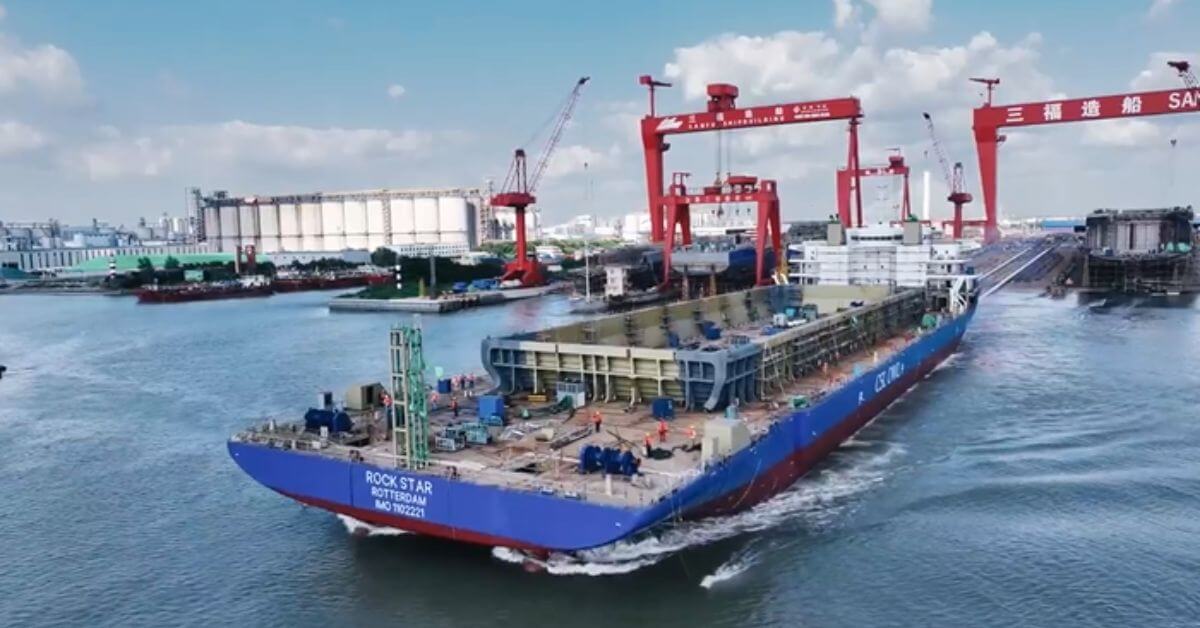
The launch of the CSL OWL Subsea Rock Installation vessels marks a significant, albeit often overlooked, advancement in the rapidly expanding offshore wind sector. While turbine technology and grid integration frequently dominate headlines, the crucial groundwork—literally—that enables these projects is gaining increasing attention. Subsea rock installation, the process of strategically placing rock on the seabed to create stable foundations for monopiles and other support structures, is a critical element in ensuring the longevity and structural integrity of offshore wind farms, particularly in challenging seabed conditions. This new generation of vessels, boasting enhanced precision and capacity, represents a direct response to the escalating demands of larger, deeper, and more complex offshore wind projects worldwide. Understanding this development requires recognizing the inherent geological variability of the ocean floor and the need for meticulously engineered foundations. For a deeper dive into the complexities of seabed assessment, see Seabed Geotechnical Investigations. Furthermore, the ongoing evolution of foundation types – from monopiles to floating platforms – necessitates adaptable and precise installation methods, and this new vessel capability directly addresses that need.
The significance of this development extends beyond simply improving installation efficiency. Historically, rock placement has been a relatively manual and less precise process. The new CSL OWL vessels, with their advanced positioning systems and calibrated rock delivery mechanisms, promise a demonstrable increase in accuracy and repeatability. This translates to reduced risk of foundation instability, minimized environmental impact through more targeted placement, and ultimately, lower lifecycle costs for offshore wind farms. The ability to precisely control rock placement is particularly vital in areas with soft or shifting seabed sediments, where scour protection – the prevention of sediment erosion around the foundation – is paramount. As projects move into deeper waters and more remote locations, the challenges associated with seabed stability intensify, making the precision offered by these new vessels increasingly valuable. Consider the increasing adoption of dynamic cable routing and protection systems, which are also reliant on a stable and well-defined seabed – a benefit directly supported by improved rock installation practices. For more on cable protection strategies, review Dynamic Cable Routing Strategies. The vessels’ capacity also allows for the handling of larger volumes of rock, streamlining the installation process and reducing project timelines.
The broader implications for the offshore wind industry are considerable. This move underscores the growing recognition that robust subsea infrastructure is not a secondary consideration but a foundational element of successful wind farm development. We anticipate a ripple effect, driving further innovation in rock sourcing and transportation logistics, as well as prompting advancements in seabed mapping and geotechnical analysis to optimize rock placement strategies. The increased efficiency and reduced risk associated with these vessels will likely contribute to a decrease in the levelized cost of energy (LCOE) for offshore wind, making it even more competitive with traditional energy sources. Furthermore, this specialized equipment highlights the emergence of a dedicated subsea rock installation sector, creating new opportunities for skilled labor and technological expertise. The development also emphasizes the shift towards a more integrated and data-driven approach to offshore wind farm construction, where real-time seabed data and precise installation techniques are combined to maximize performance and minimize environmental impact. Integrated Data Ecosystems for Offshore Wind are becoming increasingly critical for optimizing these processes.
Looking ahead, a key question to watch is how the adoption of these advanced rock installation vessels will influence the design and selection of offshore wind foundations. Will we see a greater emphasis on foundation types that are particularly reliant on precise rock placement, such as suction caissons or gravity-based structures? And, as seabed conditions become increasingly well-understood through advanced mapping techniques, will we witness a move towards even more customized and optimized rock placement strategies, potentially utilizing different rock types and sizes to achieve specific performance goals? The evolution of this seemingly niche area of offshore wind development holds the potential to significantly impact the long-term sustainability and economic viability of the entire sector.