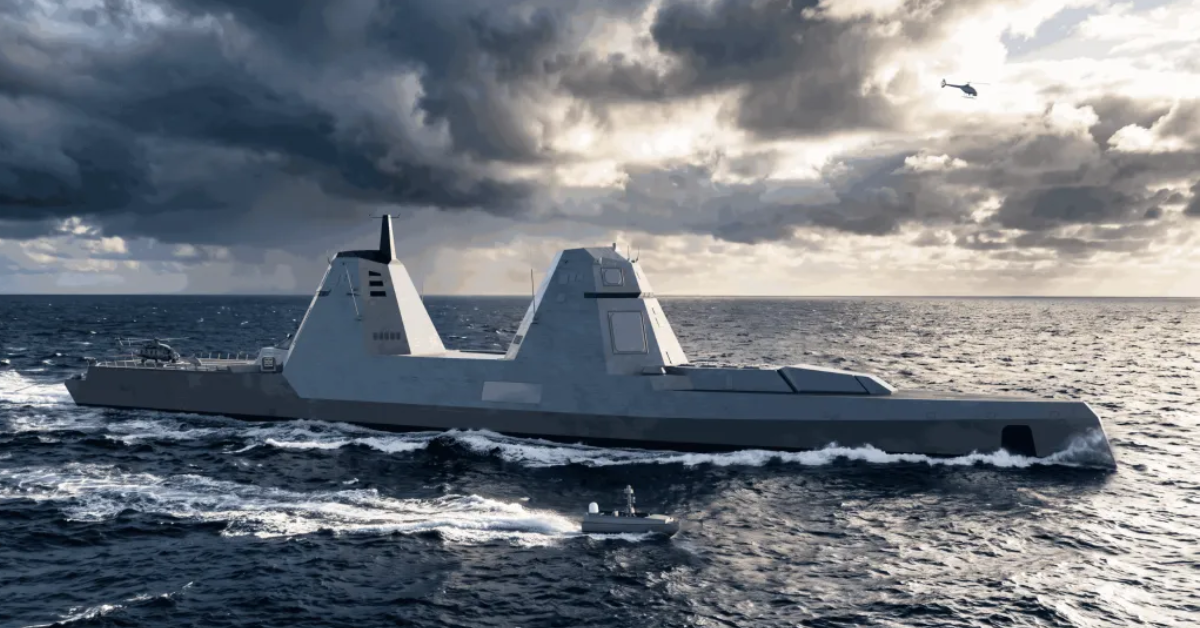
The SCX 26 concept ship is a compelling vision of modular naval warfare, but its most important feature is not the electromagnetic gun or the 100 VLS silos, it is the deliberate integration of human decision-making with autonomous systems. This balance reflects a mature understanding that technology amplifies capability but does not replace judgment, a principle that applies as much to ocean monitoring as it does to combat operations.
Naval Group's 170-metre, 8,000-tonne concept is built around two integrated modules separated by a flex zone, allowing the vessel to incorporate new operational capabilities over its service life. That modularity is the headline: a mission bay designed for rapid drone reconfiguration, intelligence, electronic warfare, anti-submarine warfare, combined with a 100 kW laser and an electromagnetic gun for cost-effective threat engagement. But what makes this relevant to our readers is how it mirrors the distributed, data-driven approach we see in other domains. Consider how Eight new corvettes strengthen India's ocean intelligence and maritime monitoring will enhance persistent surveillance across the Indian Ocean, or how Counter-Drone Electronic Warfare Now Protects Guided-Missile Submarine USS Ohio demonstrates layered defence against asymmetric threats. The SCX 26 is the logical next step: a platform that treats its own sensors, drones, and weapons as an integrated data ecosystem, calibrated for real-time threat assessment and collaborative combat.
The practical consequence for naval planners and policymakers is clear. The SCX 26 is not a ship design to be built as-is; it is a testbed for architectural principles that will define future procurement. The flex zone, the segregation of weapon systems across two masts, the 150-person crew with 100 additional berths for specialists, these are empirical choices based on validated assumptions about how conflict will evolve. The vessel's 8,000-nautical-mile range and 30-knot speed are not marketing figures; they are measurable requirements for operating in contested waters where logistics are uncertain. And the emphasis on human oversight, even as AI enhances the crew's capabilities, is a direct response to the lessons from incidents like the Unexplained drone claim in Strait of Hormuz lacks empirical validation, where unverified sensor data can escalate into strategic miscalculation.
What we should watch is how this concept handles the tension between modularity and integration. A flex zone that can accept new modules sounds ideal, but each new capability adds data streams, power demands, and maintenance complexity. The SCX 26 assumes that the crew can manage that complexity through digitisation and automation, but the real test will come when a mission requires simultaneous anti-submarine warfare, drone recovery, and electronic attack. If the platform's resilience depends on redundancy and segregation, then the crew's ability to coordinate those systems under duress is the variable that will determine whether the concept succeeds or remains a speculative exercise. That is the specific question that future naval exercises with this architecture must answer.