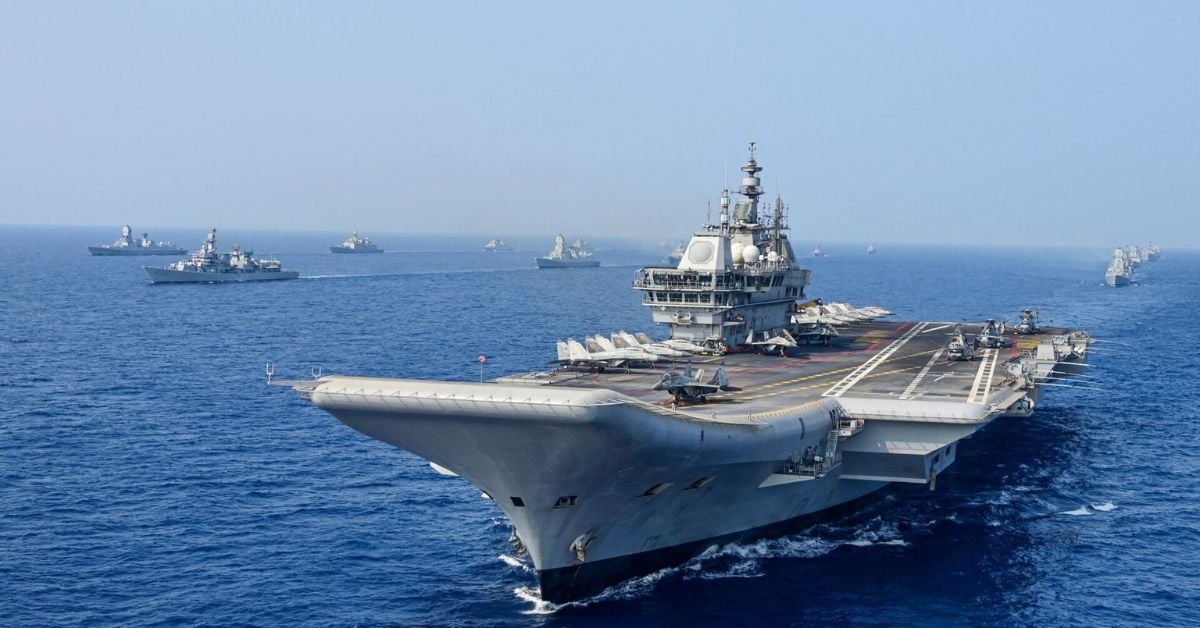
India's decision to validate the Rafale-Marine aboard INS Vikrant is a measured, strategically sound step, not a headline-grabbing spectacle. The ongoing trials in Goa are the empirical calibration of a major defense acquisition, and they deserve attention for what they reveal about the long-term integration of naval air power. This is not merely about buying 26 aircraft; it is about proving that a foreign-designed, naval-specific fighter can operate effectively from an indigenous platform, a process that demands rigorous, peer-reviewed data.
The practical implications for our readers, who follow defense and maritime strategy closely, are significant. India is set to become the first international operator of the Rafale-M, a variant already validated by the French Navy. The trials are assessing the jet's compatibility with INS Vikrant's STOBAR system, a ski-jump launch and arrested recovery, which is a different engineering challenge than the catapult-assisted launches used by some other navies. This validation phase is critical. It is the difference between a platform that is merely integrated and one that is operationally validated. The contrast with other recent naval developments is instructive. While the French Navy advances its undersea capabilities with the Rubis joins Suffren class as fifth nuclear submarine enters sea trials, India is focused on ensuring its carrier-based air wing is equally robust and interoperable. Meanwhile, the persistent threat to maritime chokepoints, highlighted by the Two million barrels of crude oil released as supertanker strikes naval mine in Hormuz, underscores why a credible naval air defense capability is not an abstract concept but a concrete necessity.
The Rafale-M's sensor fusion, SPECTRA electronic warfare suite, and weapon loadout, including Meteor and MICA air-to-air missiles alongside SCALP and Exocet strike weapons, are well-documented. The core question for the Indian Navy is not whether the aircraft is capable, but whether the modifications required to operate it from both INS Vikrant and INS Vikramaditya can be validated without compromising its combat performance. The deal's inclusion of technology transfer for Indian-made weapon integration under the Aatmanirbhar Bharat initiative adds another layer of complexity that these trials must address. A specific takeaway is this: the success of these trials will directly determine the timeline for the retirement of the legacy Sea Harrier fleet and the operational tempo of India's two-carrier battle group concept.
The most concrete point to watch is the validation of the arrestor hook and landing gear modifications under the specific weight and speed profiles of a STOBAR recovery. A single test flight is a data point; a full envelope of calibrated, repeatable launches and recoveries is a capability. The delivery timeline, late 2028 or early 2029, gives the navy a clear window to conduct this work. If the trials reveal unexpected structural or avionics integration issues, that timeline will shift. If they proceed as planned, India will have a validated, modern naval strike capability that is interoperable with its air force's existing Rafale fleet, a rare strategic efficiency. The data from Goa will answer that question.