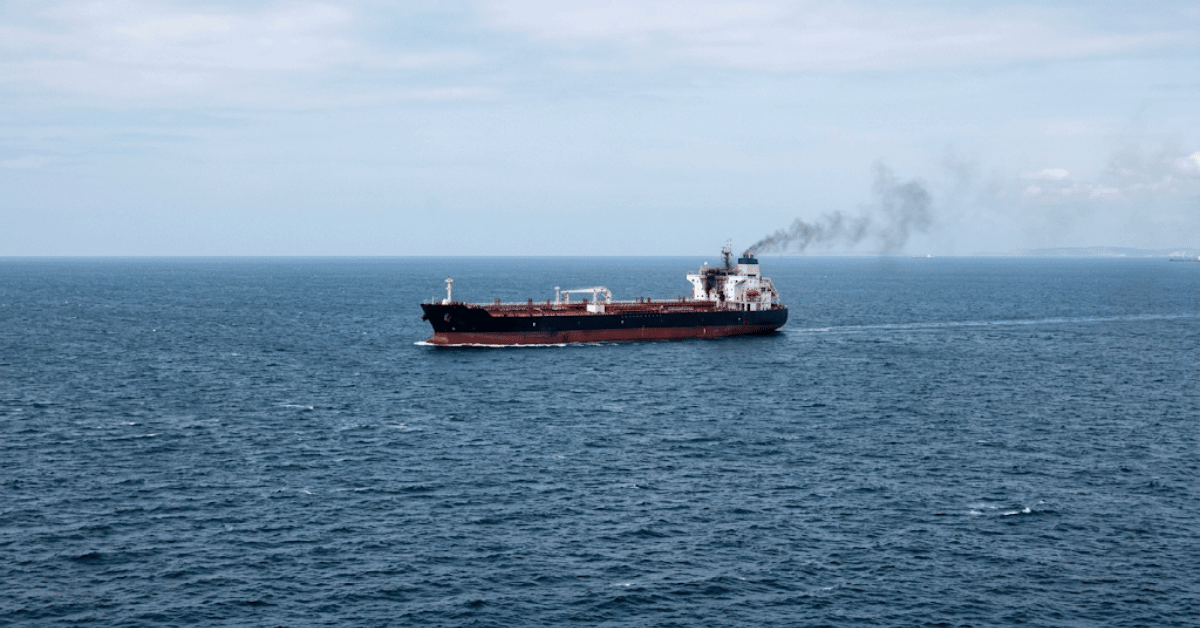
The IMO Secretary-General's call for restraint lands at a moment when the sea lanes that carry global commerce have become flashpoints for geopolitical posturing. His warning is not abstract policy language; it is a direct acknowledgment that merchant ships and the crews aboard them are now collateral actors in conflicts they did not start. When he asks Member States to stop actions that endanger these vessels, he is naming a reality that has been building for years: the rules-based order at sea is fraying, and the people who move our food, fuel, and raw materials are the ones absorbing the risk. For our readers, this is not a distant diplomatic headline. It is a practical disruption to the integrated data ecosystem of global trade, where a single strait closure or an attack on a tanker sends ripples through supply chains, insurance premiums, and energy prices long before it reaches your port.
Our honest take is that the Secretary-General's appeal, while necessary, is not sufficient. The IMO can issue statements, but it cannot enforce compliance when a state decides that a commercial vessel is a legitimate target in a proxy conflict. We would tell a reader who asks, "What can be done?" that the answer lies not in hoping for maritime restraint, but in accelerating the shift toward ocean intelligence that is transparent, peer-reviewed, and shared across borders. The more that shipping routes, vessel positions, and incident data are validated and made available in real time, the harder it becomes for any actor to hide behind deniability. This is not about surveillance for its own sake; it is about creating empirical accountability. The IMO’s own framework already calls for such integration, but the gap between protocol and practice remains dangerously wide.
What stands out in the Secretary-General's message is the word "severe." He is not describing an inconvenience. He is pointing to a cascading failure mode where a single miscalculation in the Red Sea, the South China Sea, or the Black Sea could trigger a maritime crisis that no single nation can manage alone. For our readers, the practical takeaway is this: your supply chain is only as resilient as the least protected chokepoint, and that chokepoint is now a human being on a bridge who cannot see the missile until it is too late. The collaborative data-sharing initiatives that have emerged in recent years are a start, but they remain voluntary, fragmented, and often classified. We would push for a binding standard that treats merchant vessel safety as a climate indicator of geopolitical stability, not because it is easy, but because it is measurable and it matters.
The concrete point to watch is whether the IMO's next assembly moves from rhetorical appeals to a mandatory reporting mechanism for near-miss incidents involving state actors. If such a system is adopted, we will finally have the longitudinal data to hold bad actors accountable in a court of public opinion, if not in law. If it is not, then the Secretary-General's warning will remain exactly what it is now: a sincere but hollow plea in a storm that no one has the political will to calm. For now, the question we should all be asking is not whether another ship will be attacked, but whether the world will wait for the first major oil spill or mass casualty event before treating this as the emergency it is. That is the takeaway worth quoting: the ocean does not negotiate, and neither does a missile.