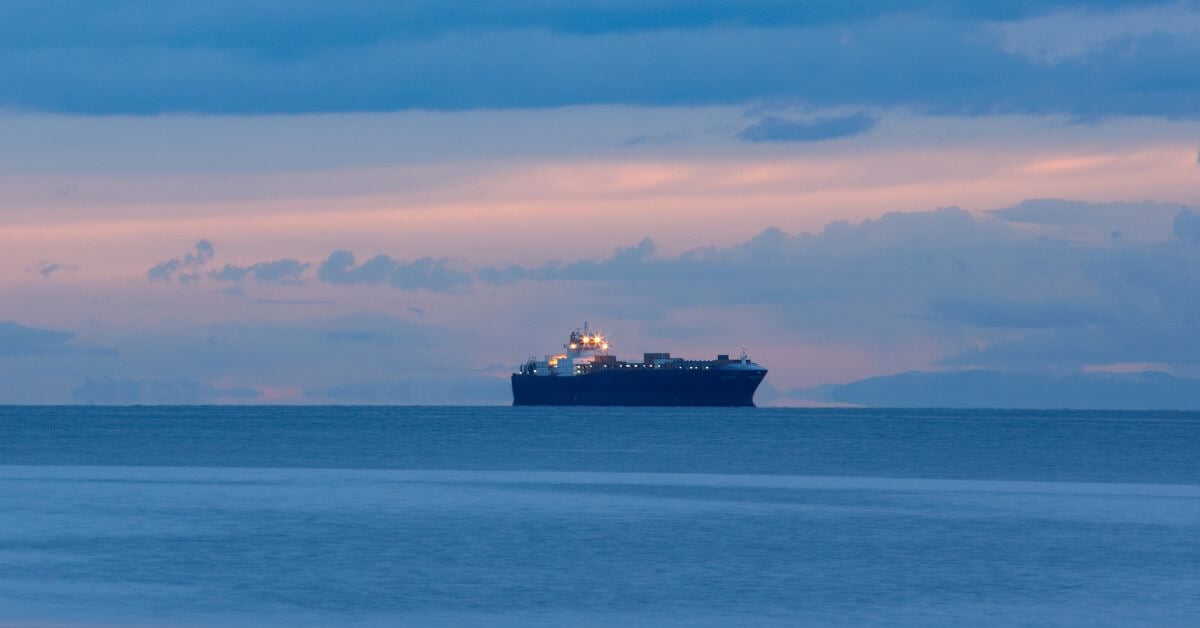
The Strait of Hormuz is not a metaphor. It is a measured, physical choke point through which a fifth of the world's oil moves daily, and this week it became the site of a direct attack on a US-contracted vessel by four Iranian drones and at least one missile. We report on these incidents as data points, but the real signal is in the pattern: commercial shipping is no longer a bystander to geopolitical tension; it is the target. For our readers who track maritime security, this is not an anomaly to file under regional escalation. It is a calibrated stress test of the global supply chain, and the results are being written in real time.
What practical takeaway should a fleet operator, insurer, or logistics planner draw from this? The attack did not happen in a fog of war; it happened on a known route, with a known actor, and it still got through. That tells us something uncomfortable about the gap between maritime domain awareness and active defense. Our integrated data ecosystem can track a vessel's speed, draft, and AIS signals, but it cannot predict when a drone swarm will be launched from a coastline. The lesson is not to abandon the Strait, nor to accept the risk as inevitable. It is to validate your contingency plans against kinetic scenarios, not just weather delays. If you are routing tonnage through the region, this is the moment to recheck your threat assessment assumptions, because the empirical baseline has shifted.
We would tell a reader who asked, "What should I make of this?" that the most critical detail is the choice of weapon. Four drones and a single missile suggest a deliberate, limited escalation, not a bid to close the Strait. That is a signal worth reading carefully. Iran is calibrating pressure, testing the threshold of response without triggering a wider conflict. For our audience, this means the risk is not a sudden, catastrophic closure but a slow erosion of safe transit. The question is not whether the next attack comes, but where the data on that attack will be published, and whether we are treating that information as a proprietary loss or a shared public good. We would also point out that the vessel was US-contracted, not US-flagged, a distinction that will matter in the coming legal and insurance claims. That is a specific consequence to watch: how do underwriters price the difference between a flag state and a beneficial owner when the missile is Iranian?
The concrete point to watch is the response timeline. If the US government retaliates against the launch site, we will see a rapid re-routing of traffic and a spike in war risk premiums. If it does not, the precedent is set for further harassment. Our take is that this is not a story about a single ship. It is about the fragility of the rules-based order at sea, where a drone costs thousands and a vessel costs millions. The takeaway we would quote: "In a choke point, the only reliable intelligence is the intelligence you have already validated." For our readers, that means the work of ocean intelligence is not a background function. It is the first line of defense, and it starts before the missile is fired.