Earth’s orbital wobble triggered rapid climate chaos during the dinosaur age
Our take
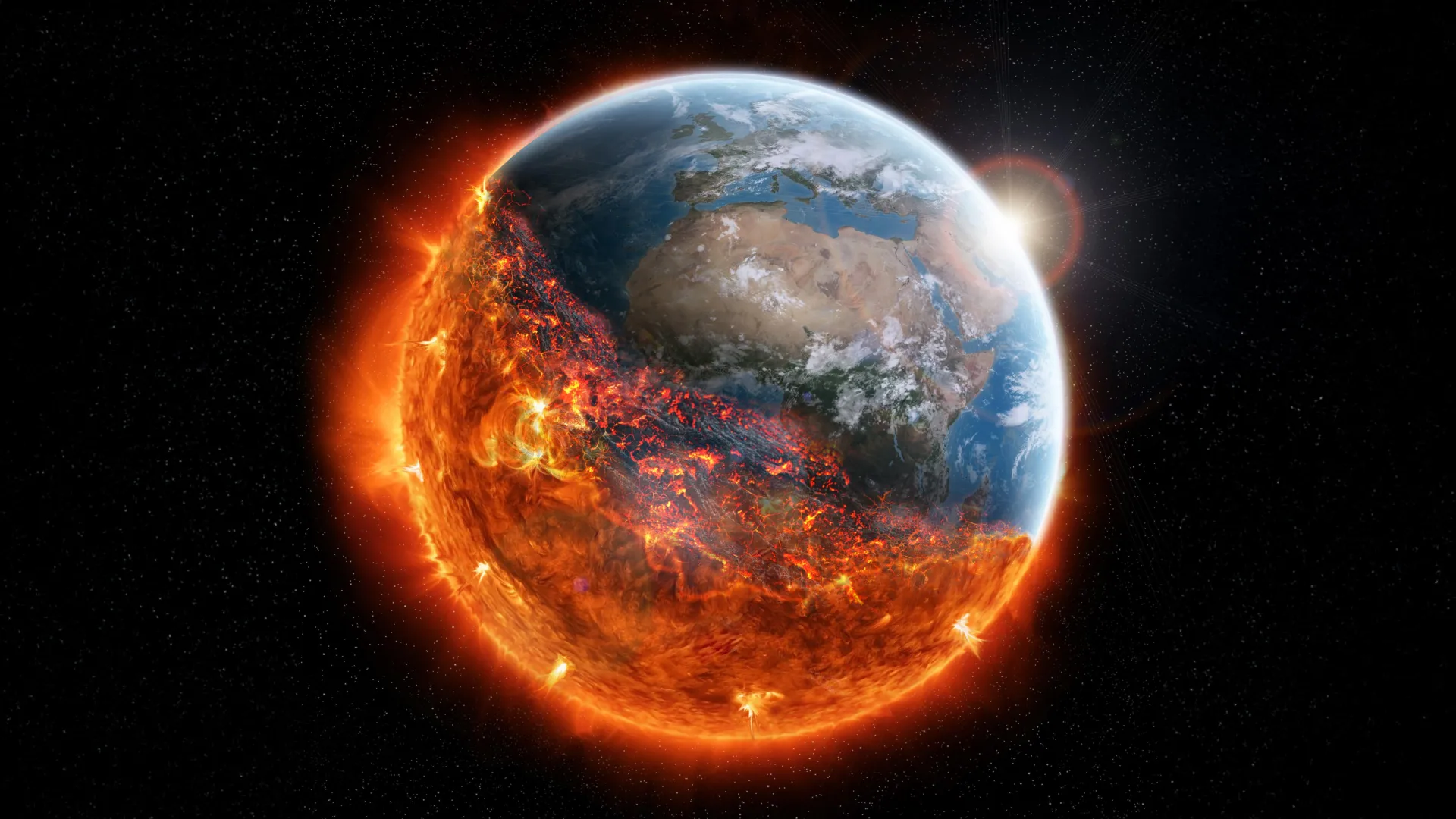
The recent research highlighting Earth's orbital wobble as a trigger for rapid climate shifts during the Late Cretaceous era underscores the dynamic and often unpredictable nature of our planet's climate systems. By examining ancient sediments, scientists have uncovered evidence of recurring climate patterns that oscillated between humid and arid states over relatively short geological timescales. This finding is particularly significant as it challenges our understanding of climate stability during periods previously thought to be dominated by consistent warm conditions. Such insights parallel ongoing discussions in contemporary environmental science, such as the alarming trends observed in the Arctic, where researchers warn that the region may have crossed a critical tipping point due to rapid sea ice loss, as detailed in our article, Arctic Ocean passed a tipping point and scientists say it may never recover.
Understanding these ancient climatic fluctuations is crucial for several reasons. Firstly, it provides a historical context for today's climate change discussions, emphasizing that Earth's climate has always been subject to rapid shifts. This knowledge is particularly relevant as we face unprecedented alterations to our environment driven by human activities. The implications of such shifts can be profound, impacting ecosystems, sea levels, and weather patterns. For instance, as we consider the mechanisms of climate change today, it is vital to recognize that even minor variations—akin to those linked to the Earth’s orbital changes—can have cascading effects. The study’s findings may serve as a cautionary tale, reminding us that climate resilience is not guaranteed, even in what we consider stable periods.
Moreover, the methodology employed in this research, which involves detailed analysis of sediment cores, exemplifies the innovative approaches scientists are using to reconstruct past climates. This kind of empirical investigation not only enhances our understanding of historical climate variability but also informs current climate models. By integrating such data into predictive frameworks, we can better anticipate future climate scenarios. Additionally, this research dovetails with ongoing advancements in ocean intelligence, such as those explored in our article, Ever wonder how we actually track what’s living in the deep blue without catching every single fish? 🌊 Enter eDNA: envi..., highlighting the importance of interdisciplinary collaboration in understanding and addressing climate challenges.
As we reflect on these findings, it becomes clear that there is a pressing need for global collaboration in ocean stewardship. The urgency of monitoring and mitigating climate change cannot be overstated, especially as we face the realities of climate-induced disruptions. The potential for rapid transitions in climate underscores the interconnectedness of the Earth's systems, and as such, our response must be equally integrated and comprehensive. It raises a critical question: How can we leverage lessons from Earth's past to inform our future policies and practices regarding climate action and ocean health?
Looking ahead, the research not only serves as a reminder of the Earth's climatic volatility but also emphasizes the importance of sustained scientific inquiry. As we continue to unravel the complexities of our planet's climate system, we must remain vigilant and proactive in our efforts to safeguard the oceans and, by extension, our global environment. The past holds valuable insights that can shape our strategies for a sustainable future, urging us to act with purpose and responsibility.
Read on the original site
Open the publisher's page for the full experience