Cruise Costa Serena Docks In Nagoya To House Asian Games Athletes As Complaints Over Wooden Huts Increase
Our take
The repurposing of the Costa Serena cruise ship to house athletes for the 2026 Asian Games in Nagoya, Japan, presents a fascinating intersection of logistical necessity, maritime infrastructure, and evolving urban planning strategies. While temporary housing solutions for large-scale events are commonplace, utilizing a floating vessel introduces unique considerations related to resource management, environmental impact, and the potential strain on existing port facilities. This decision, occurring alongside Japan’s investments in advanced maritime surveillance technologies like Japan Plans Drone-Mounted Quantum Sensors To Track Chinese Submarines, highlights a nation increasingly reliant on both innovative technology and adaptive resource allocation to address complex challenges. The reported complaints regarding the alternative wooden hut accommodations underscore the pressure to find adequate and comfortable lodging for a significant influx of visitors, showcasing the immediate practical impetus behind the cruise ship deployment.
The move also echoes Japan's broader commitment to sustainable and alternative energy solutions within the maritime sector. Just recently, Japan’s First Hydrogen-Fueled Dining Cruise Ship ‘Amane’ Launched In Nagasaki was unveiled, demonstrating a clear trajectory toward decarbonizing the cruise industry and embracing cleaner energy sources. While the Costa Serena itself isn’t hydrogen-powered, its temporary conversion speaks to a willingness to utilize existing maritime assets in novel ways, potentially informing future strategies for integrating cruise ships into urban infrastructure and event logistics. Furthermore, considering the significant volume of goods moving through Japanese ports, as evidenced by the recent report on container traffic – Two Major U.S. Container Gateways Handled Nearly 1.88 Million TEUs In August – the efficient management of port resources and the potential for congestion become crucial factors in assessing the long-term viability of such solutions.
Beyond the immediate logistical aspects, this scenario raises broader questions about the future of urban spaces and the potential for integrating maritime assets into urban planning. As coastal cities face increasing population density and demand for housing, utilizing existing vessels – particularly decommissioned or underutilized cruise ships – could offer a scalable and relatively rapid solution. However, such deployments necessitate careful consideration of environmental impacts, waste management, and the integration of essential services like water, power, and sewage disposal. The Costa Serena’s temporary role as athlete housing provides a real-world test case for evaluating the feasibility and sustainability of this approach, offering valuable data and insights for future urban planning initiatives. The success, or lack thereof, in mitigating the complaints about living conditions will be a key indicator of the practicality of this model.
Ultimately, the deployment of the Costa Serena represents a short-term adaptation to a specific need, but its implications extend far beyond the Asian Games. It underscores the growing importance of integrated data ecosystems to manage complex logistical challenges, and highlights the need for validated, measurable metrics to assess the environmental and social impacts of such initiatives. As coastal regions continue to grapple with urbanization and climate change, will we see increased experimentation with repurposing existing maritime infrastructure to address land-based needs, and what calibration will be required to ensure these solutions are both effective and sustainable in the long term?
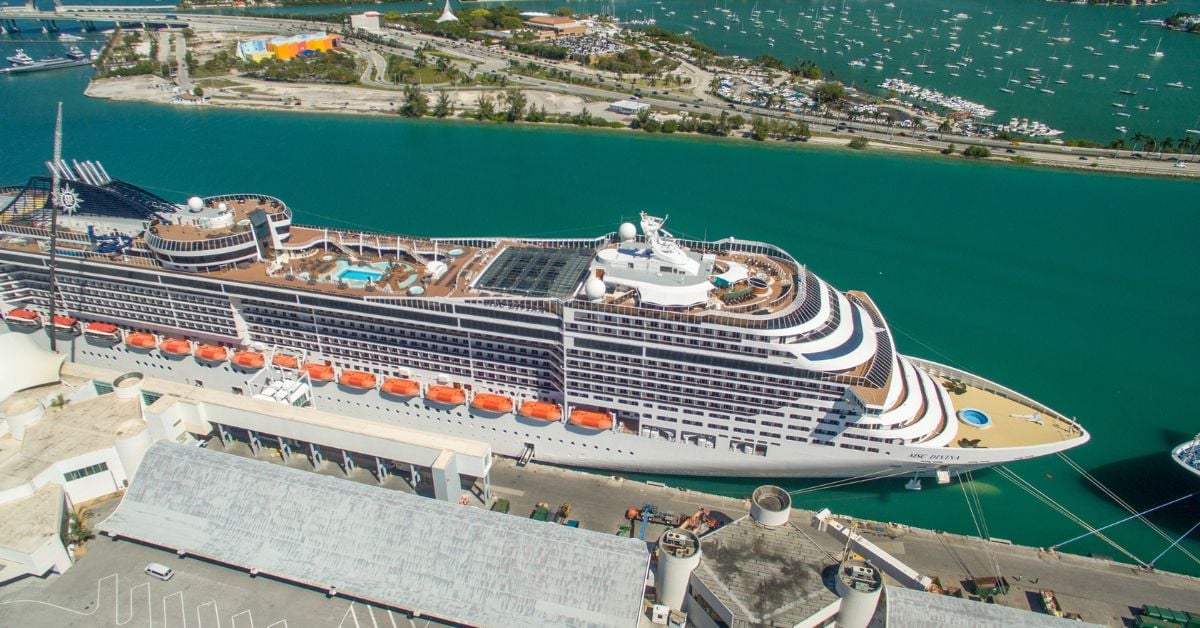
The cruise ship Costa Serena has docked at a port in Japan’s Nagoya to accommodate atleast 4000 participants of the Asian Games 2026, which is opening on Saturday.
Around 17,000 athletes are coming for the sports event, and a few are also being housed in container-style wooden huts, hotels and Airbnbs.
However, complaints over accommodation have raised concerns among the Japanese authorities, especially as the Games are being held during the typhoon season.
Some athletes have reported water leakages from sinks, and others have complained of the beds being too small for them.
A few days back, a few wooden huts had to be vacated due to flooding resulting from continuous rain in the region, which greatly inconvenienced the guests and invited criticism.
Authorities are certain there would be no complaints about the 300 m long Italian cruise vessel having 1500 cabins.
The President of the Organising Committee of the Asian Games, Hideaki Omura, said that it is the first time a cruise ship was being used to accommodate people coming for an international sports event, with a number bigger than the Olympics.
Though cruise ships have been used before in times in like this, this is the first time they are being used on a large scale. This is also cost-effective and could be taken as an example of how to reduce accommodation expenses at future sports events.
On the contrary, participating teams which will be staying in Japan for the Games until October 4, 2026, have expressed their dissatisfaction with the arrangements.
Officials from South Korea said that the huts were ‘the worst ever’. VP of the Korea Basketball Association, Jung Jae-Yong, said he was unhappy with the accommodation provided to their team.
He said that the beds were too small for them, and a player from the men’s team also posted a video on social media showing a wet floor and leakage from the sink in his wooden hut, with a caption saying ‘please help us’.
Some guests claimed that there was a shortage of rooms when they arrived, and everything was not well planned.
Another official said that concerns over the accommodation were raised by all the representatives of the 45 countries participating in the Asian Games, and every country is expressing it to Japanese authorities to get the issue resolved.
President of the Philippine Olympic Committee Abraham Tolentino stated that while the athletes were given a room, some officials and coaches were shifted to hotels and Airbnbs.
Philippine Olympic Committee president Abraham Tolentino said all his country’s athletes had been given a room. But “some officials, like coaches, were moved to different hotels and Airbnbs”.
Japan has chartered the cruise ship for about 4.5 billion yen or $ 28 million. Costa Serena is the sister ship of the Concordia that sank in 2012, with 32 people off Tuscany.
The captain of Costa Serena, Federico Sias, said that he would ensure that athletes can have a memorable and comfortable stay on the ship.
Read on the original site
Open the publisher's page for the full experience