accommodation
World Data Ocean keeps accommodation in one place: 3 stories so far. The section currently leads with “Nagoya Deploys Cruise Ship to Accommodate Asian Games Athletes”, “Nagoya 2026 Asian Games: Cruise Ship to Host Athlete Village”, and “High-Resolution Stratigraphy of China’s Coast Unveiled Through Integrated Data”. The Costa Serena has docked in Nagoya, ready to house 4,000 athletes for the Asian Games 2026, which opens Saturday. Japan has selected a cruise ship to house athletes for the 2026 Asian Games, opening in Nagoya on September 19. A Global Hub for Ocean Intelligence 4 World Data Ocean is a centralized digital platform where researchers, scientists, and ocean enthusiasts converge to… The list below is every accommodation story on World Data Ocean, newest first.
Nagoya Deploys Cruise Ship to Accommodate Asian Games Athletes
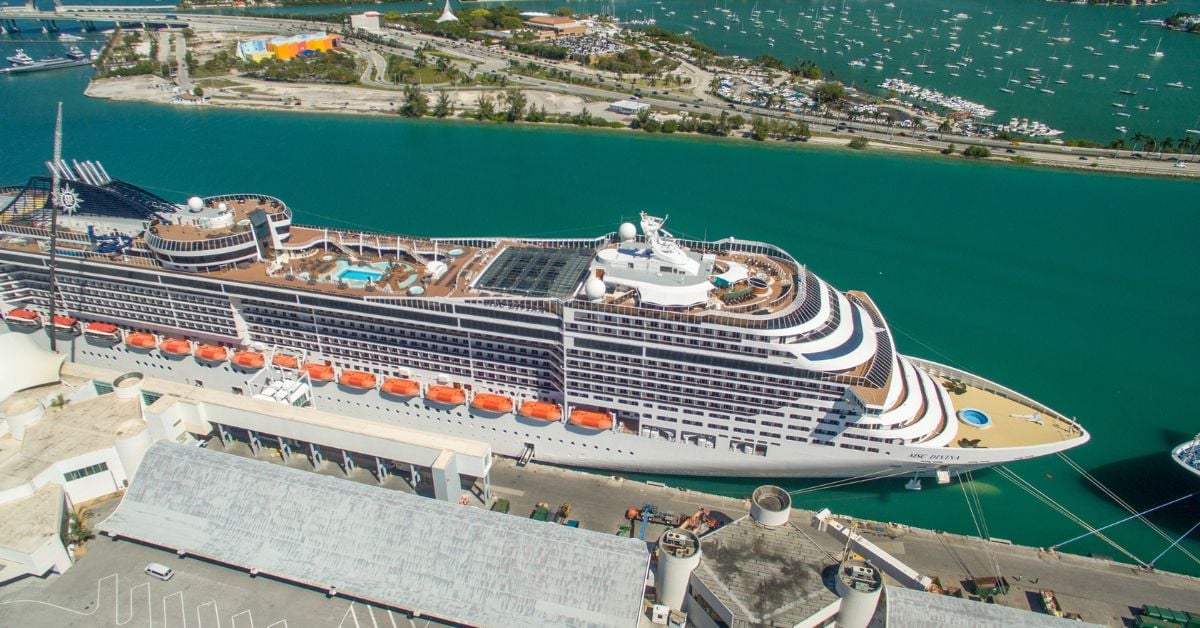
The Costa Serena has docked in Nagoya, ready to house 4,000 athletes for the Asian Games 2026, which opens Saturday. It is a pragmatic move, turning a cruise ship into temporary housing for the sheer scale of participants. The arrangement speaks to the logistical ingenuity required when hosting a global event. For those interested in how human activity intersects with marine environments, our piece on the sea star collection in Port Phillip Bay offers a grounded look at coastal ecosystems.
Nagoya 2026 Asian Games: Cruise Ship to Host Athlete Village
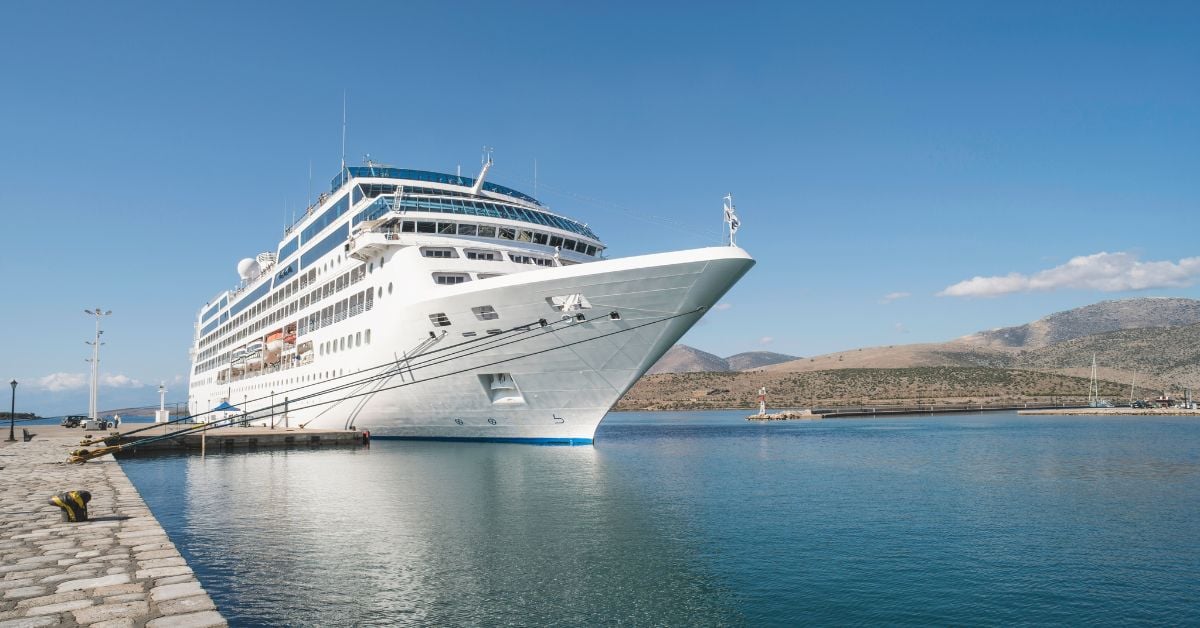
Japan has selected a cruise ship to house athletes for the 2026 Asian Games, opening in Nagoya on September 19. The decision reflects a practical, forward-looking approach to large-scale event logistics, one that prioritizes adaptability without sacrificing comfort. It is a measured solution, and we respect the operational clarity behind it. For more on maritime challenges, see our coverage of the cargo ship fire near Mykonos. Understanding these systems, from port to open water, is essential to building resilient infrastructure.

High-Resolution Stratigraphy of China’s Coast Unveiled Through Integrated Data
The integration of 54 CPTu soundings with borehole logs and the LJ01 core has resolved the Late Quaternary stratigraphy of China's southeastern inner shelf with unprecedented clarity. We see three distinct successions that directly track glacio-eustatic cycles, moving from fluvial dominance to marine transgression. This is a transferable framework for data-limited coastal settings, and it underscores the value of calibrated, integrated datasets. For those interested in how such records are interpreted, our coverage of *Paleodictyon's True Origins* offers a complementary look at reading Earth's history.