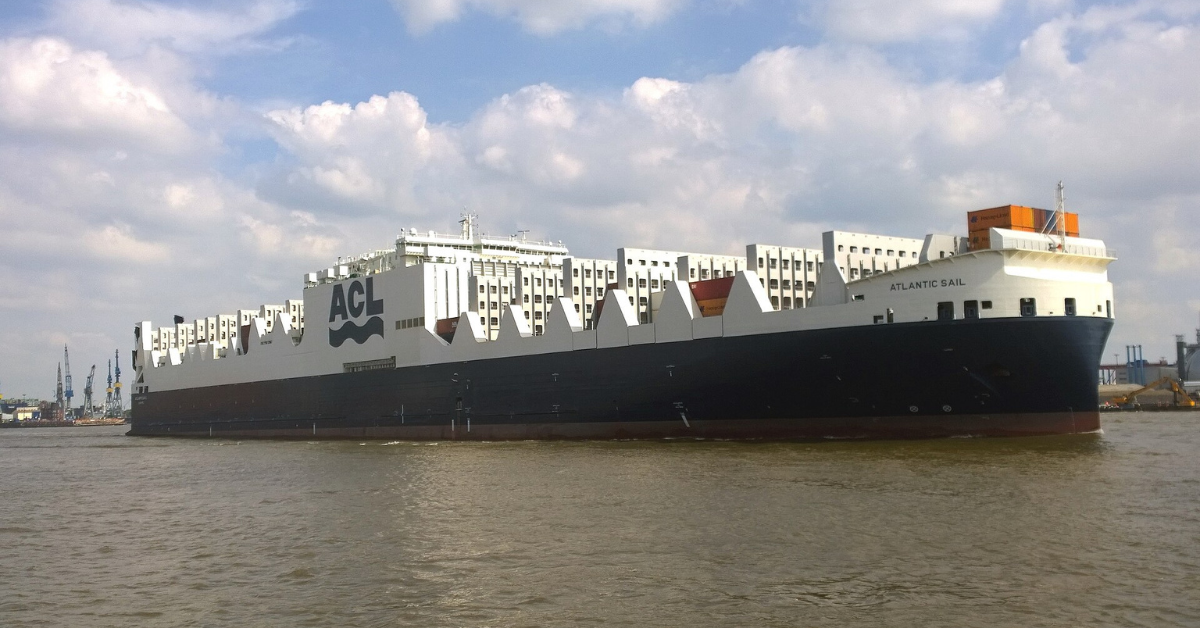
A ConRo ship, by design, carries both vehicles and standard shipping containers in a single voyage. This is a technical solution to a logistical question, but for those of us tracking the physical movement of goods across the ocean, it represents something more: a measurable data point in the global climate system. When we look at a vessel that combines roll-on/roll-off cargo with containerized freight, we are looking at a calibrated response to efficiency pressures. The practical takeaway for our readers is that the ConRo is not a niche curiosity; it is a real-time indicator of how the shipping industry is adapting to the dual demands of speed and fuel economy.
From the perspective of ocean intelligence, every vessel type tells a story about energy use, route optimization, and emissions. A ConRo ship reduces the number of separate trips needed to move mixed cargo, which directly translates to lower fuel consumption per unit of freight. This is empirical, measurable progress. For researchers and policymakers who rely on integrated data ecosystems to model maritime emissions, the rise of these hybrid vessels provides a clearer picture of how cargo flows are being consolidated. It also raises a question that deserves attention: how do we validate the emissions savings claimed by these designs against real-world operational data? The industry has the engineering; we need the longitudinal, peer-reviewed tracking to confirm the benefit.
What we would tell a reader who asked about ConRo ships is that they are a practical example of how innovation often hides in plain sight. We are not talking about a radical new propulsion system or a futuristic hull design. We are talking about a smarter arrangement of existing space. That is the kind of forward-thinking that matters most in a sector where every ton of cargo moved has a climate indicator attached to it. The ocean does not care about marketing hype; it responds to measurable reductions in emissions and fuel use. The ConRo is a vessel that, if deployed and monitored correctly, can deliver those reductions.
The specific detail to watch is the operational data. As more ConRo vessels enter service, the key metric will be the actual fuel burn per ton-mile compared to running separate RoRo and container ships on the same routes. If the empirical results match the engineering projections, this vessel class could become a standard template for future cargo ship design. If they do not, the model will remain a niche solution. The ocean is an unforgiving laboratory, and the only valid verdict comes from calibrated, real-world measurement.