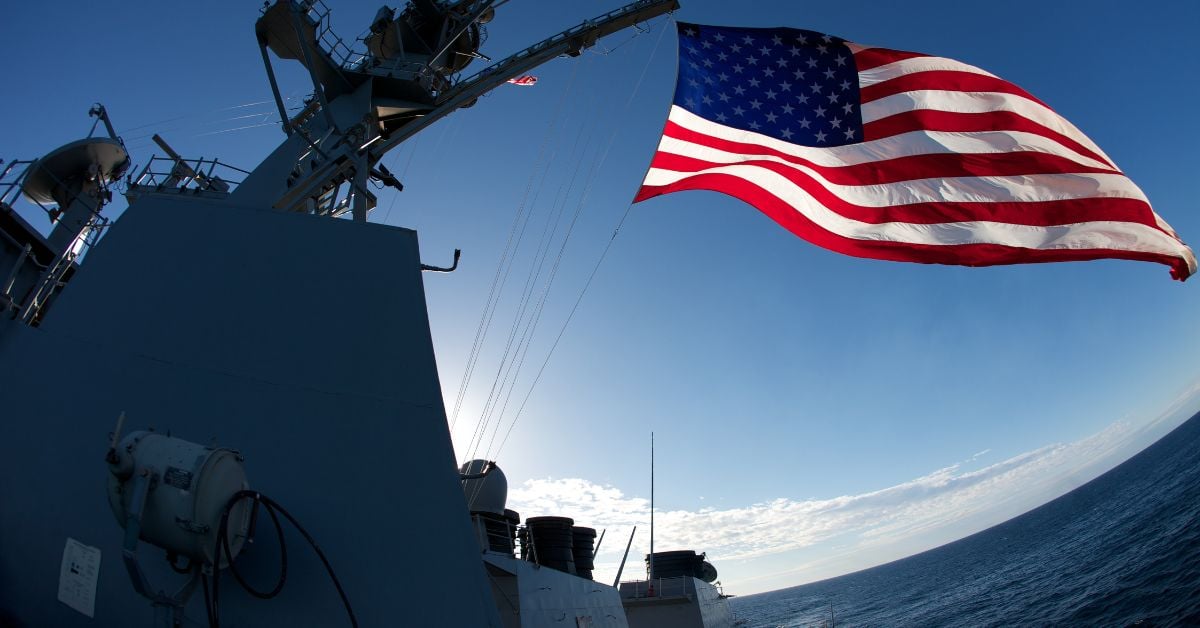
The Caribbean Sea has long been a corridor for smuggling, but the recent U.S. military action that resulted in four deaths aboard a suspected drug trafficking vessel brings a stark, human cost into focus. For those who track maritime security, this is not an anomaly; it is the logical outcome of a high-stakes interdiction policy that prioritizes disruption over apprehension. The operation underscores a hard truth: in these waters, the line between law enforcement and combat is increasingly thin. We are not reporting on an abstract policy debate, but on a lethal encounter that raises urgent questions about the rules of engagement and the price of disrupting a trade that fuels violence across the hemisphere.
For our readers, this incident is a practical case study in the limits of current counter-narcotics strategy. The U.S. military's presence in the Caribbean is often framed as a defensive posture, but a strike that kills four people is an offensive action with geopolitical and legal consequences. What is the legal basis for the use of force here? Was the vessel clearly identified, and were there other options to disable it without lethal means? These are not rhetorical questions; they are the same ones that will be asked by partner nations, human rights organizations, and the families of the deceased. Our take is that while the flow of narcotics is a legitimate security threat, the operational clarity of this mission appears compromised by the final outcome. The public deserves a transparent account of the intelligence and the decision-making process that led to this moment.
This is not a call for hesitation in the face of a dangerous and illegal activity, but it is a demand for calibration. The brand of ocean intelligence we advocate for is built on empirical data, peer-reviewed analysis, and a commitment to understanding the system as a whole. A single interdiction that ends in fatalities is a data point, but it is also a missed opportunity to gather actionable intelligence from the crew. How many of these operations result in the loss of life versus the successful seizure of cargo and the arrest of suspects? Without that longitudinal data, we are left with a policy that is reactive and blunt. We would tell a reader who asks about this that the immediate tactical success, if any, is overshadowed by the strategic cost of creating more martyrs for the cartels and more friction with regional partners who view U.S. military assertiveness with skepticism.
The practical takeaway is that this event will likely harden the resolve of trafficking networks to use more aggressive tactics and smaller, more expendable vessels. Watch for the aftermath: will we see a formal investigation report, and will it recommend changes to the rules of engagement? The specific consequence to monitor is whether this strike leads to a public debate about the use of deadly force in maritime law enforcement, a debate that is long overdue. The ocean is a vast, shared space, and the decisions we make to police it must be as precise as the instruments we use to measure its changing climate. The question now is not whether to interdict, but how to do so without sacrificing the very principles of measured, validated action that should define our approach to security.