Captain & 7 Crew Arrested After Cyprus-Turkey Passenger Ferry Sinking Which Killed 8
Our take
The recent arrest of the captain and seven crew members following the sinking of the passenger ferry *FILO Jet* off the coast of Cyprus demands a sober assessment of maritime safety protocols and operational oversight within the Eastern Mediterranean. The tragic loss of eight lives, alongside the disappearance of seventeen others, underscores a vulnerability in regional passenger transport that warrants immediate and comprehensive investigation. The incident follows a concerning trend of maritime incidents in the Black Sea and surrounding waters, including the grounding of a [Ghost Ship Damaged By Ukrainian Drones Drifts Across Black Sea & Runs Aground In Turkiye] and the sinking of a cargo vessel [Cargo Ship With 12 Crew Sinks In Black Sea Off Romania Following Suspected Drone Attack], both attributed to suspected drone attacks. This cluster of events highlights a volatile operational environment, and the *FILO Jet* sinking adds another layer of complexity, shifting the focus from potential geopolitical conflict to questions of human error and systemic failures within the maritime industry.
The circumstances surrounding the sinking remain under investigation, but early reports suggest the vessel rapidly took on water, leading to a catastrophic loss. The scale of the disaster—with over 267 people onboard, as detailed in [8 dead, 17 Missing As Passenger Ferry With 267 People Sailing From Cyprus To Turkiye Sinks]—magnifies the impact and necessitates a forensic examination of the vessel’s seaworthiness, maintenance records, and adherence to safety regulations. It is crucial to determine whether the sinking resulted from a single, identifiable cause, or from a confluence of factors including inadequate crew training, mechanical failure, or insufficient adherence to established protocols. Furthermore, the rapid response and recovery efforts, or lack thereof, will be critical elements of the inquiry, as will the certification and inspection history of the *FILO Jet* itself. The geopolitical tensions in the region undoubtedly complicate the investigative process, requiring an impartial and transparent approach to ensure accountability.
Beyond the immediate tragedy, this event serves as a stark reminder of the interconnectedness of maritime safety and regional stability. Increased geopolitical uncertainty, coupled with the proliferation of unmanned systems, creates a heightened risk profile for commercial shipping. While drone attacks represent a new and evolving threat, the fundamental principles of maritime safety – rigorous vessel maintenance, comprehensive crew training, adherence to international regulations, and robust oversight – remain paramount. The incident also raises questions about the adequacy of current maritime traffic management systems in the Eastern Mediterranean, particularly in relation to vessel tracking, collision avoidance, and emergency response capabilities. Integrated data ecosystems, leveraging real-time data from multiple sources – satellite imagery, AIS transponders, and weather monitoring systems – could provide enhanced situational awareness and contribute to preventative measures. The reliance on empirical data and validated safety protocols is essential for mitigating risk in increasingly complex operational environments.
Looking ahead, the investigation into the *FILO Jet* sinking must serve as a catalyst for strengthening maritime safety standards across the region. A longitudinal assessment of vessel maintenance practices, crew training programs, and regulatory enforcement is warranted. The maritime industry’s capacity to integrate climate indicators – such as rising sea temperatures and increasingly severe weather events – into operational planning is also crucial. The development of robust, peer-reviewed protocols for navigating these evolving conditions is not merely a matter of regulatory compliance, but a fundamental requirement for ensuring the safety of passengers and crew. How can international bodies calibrate existing maritime safety frameworks to account for the escalating risks associated with both geopolitical instability and the accelerating effects of climate change?
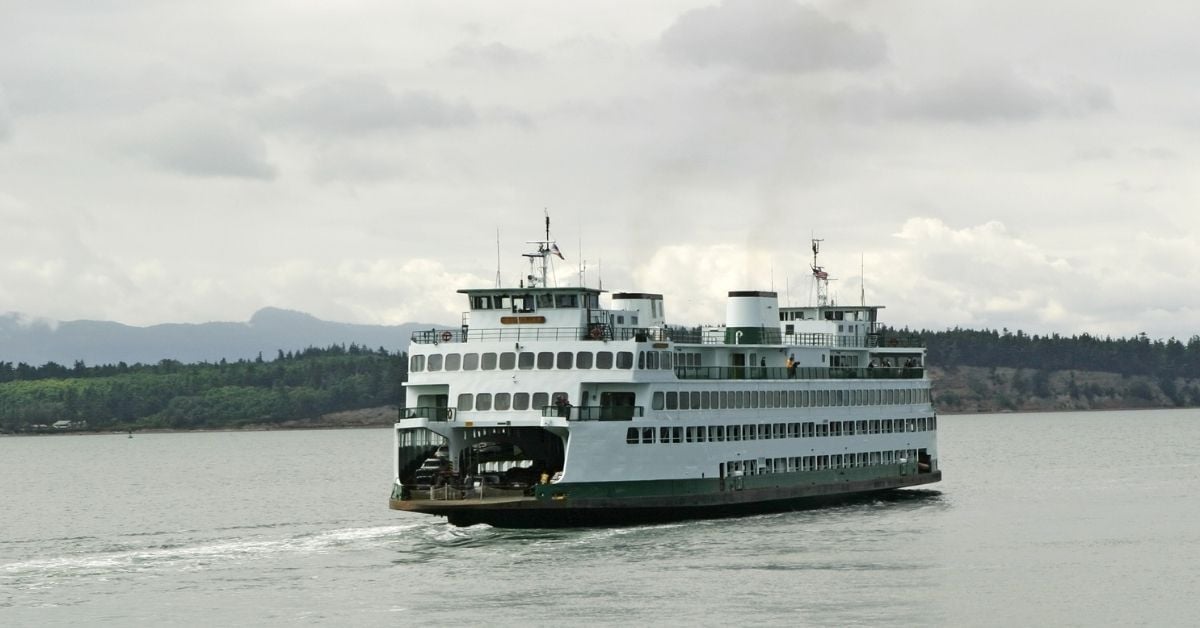
7 people have been detained in connection with the sinking of the passenger ferry FILO Jet off Kyrenia. In the incident, out of the 267 people onboard, 8 lost their lives, 18 are missing, and 241 were rescued.
Authorities detained the captain, 7 crew members and an employee of the company which operates the vessel, who were later brought to Kyrenia District Court.
Of the 14 suspects, five, including two port officers, were allowed to leave after further proceedings, but the others have now remained in custody for 3 days. The next court hearing is on September 3, 2026.
The captain and the crew members told the court that the ship’s bow broke after it met powerful waves and started to flood, leading to its sinking.
They added that the weather was normal when the ship left Kyrenia Port in the TRNC for Tasucu Port in Mersin, in Turkiye. However, after encountering waves, it tried to return to Kyrenia but could not do so.
However, the survivors said that the crew members could not plan an evacuation and that the captain and crew were the first to leave the ship.
The court has ordered the police to look into videos made by a few passengers and also take accounts of witnesses to support the investigation.
Apart from this, radio data, maintenance records of the ferry, alarm logs and weather reports are also being studied.
The wreck has settled at a 514 m depth, and Turkiye has sent a research vessel with a diving team to get the voyage data recorder from the sunken ferry.
Turkish Cypriot Transport Minister Erhan Arikili said that the investigators were thinking of all the technical or structural failures which could have impacted the vessel’s stability, along with human error.
It has been revealed that the ferry had undergone all inspections and none was missing or overdue.
Read on the original site
Open the publisher's page for the full experience