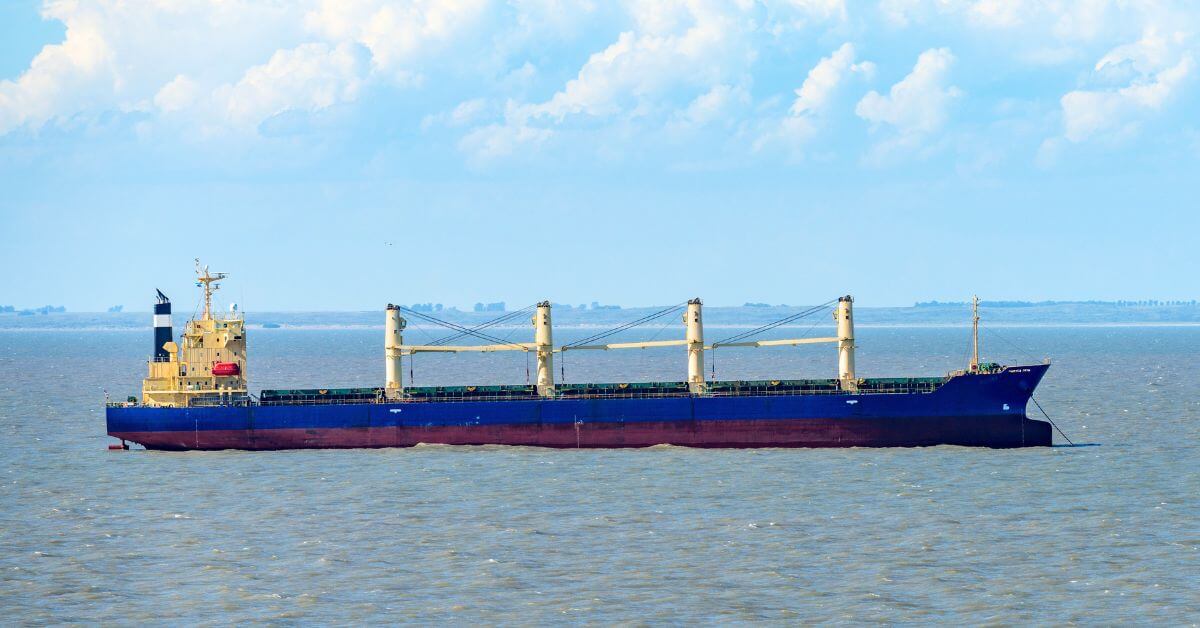
The death of Savas Cakar, a 54-year-old engineer killed while working in the engine room of a bulk carrier, has moved this story far beyond the abstract calculus of war risk. The decision by his employer, a Turkish shipowner, to seek ICC arbitration against Ukraine following the drone strike is a significant escalation in how commercial maritime disputes are being framed. This is no longer just about insurance claims or rerouting schedules; it is about assigning legal accountability for a crew fatality in a conflict zone. The complaint names Ukraine directly, a step that carries weight precisely because it converts a tragic headline into a formal, evidence-based legal process.
For our readers, this is a practical signal that the legal landscape of the Black Sea is hardening. We have written extensively about the operational risks, the grain corridor negotiations, and the constant drone activity, but this arbitration introduces a new variable: the long arm of commercial law reaching into a theater of war. It tells us that shipowners are no longer willing to absorb the human and financial costs of these incidents as an unavoidable act of God or war. They are leveraging the legal system to seek recourse, and that has immediate implications for how you assess your own charter parties, war-risk clauses, and crew deployment decisions. If this arbitration gains traction, it could establish a precedent that other owners follow, potentially reshaping the risk calculus for every vessel transiting those waters.
Our honest take is that this case will hinge on the evidence of intent and the standard of proof for a state's responsibility in a non-international armed conflict. The injured crew members and the deceased engineer are the core of the claim, but the legal arguments will likely focus on whether Ukraine exercised due diligence in targeting a vessel it believed was a military objective. This is a high bar, and the outcome is far from certain. What is certain is that the case will force a public examination of the rules of engagement as they apply to civilian shipping, which is long overdue. We would tell a reader who asked us directly whether this changes their risk posture that it does not alter the immediate physical threat, but it absolutely changes the financial and legal consequences. You should be documenting everything, from voyage instructions to crew communications, because this case demonstrates that the Black Sea is now a jurisdiction where the aftermath of an attack is as contested as the attack itself.
The specific detail to watch is whether the ICC accepts jurisdiction and what evidence the owner presents regarding the vessel's position and cargo at the time of the strike. If the tribunal rules that Ukraine failed to take feasible precautions to verify the target, it could open the door for a wave of similar claims, fundamentally altering the cost of war for states involved. The takeaway is simple: the human cost is no longer just a statistic in this conflict; it is now the foundation of a legal argument that could have a chilling effect on how naval operations are conducted near commercial traffic.