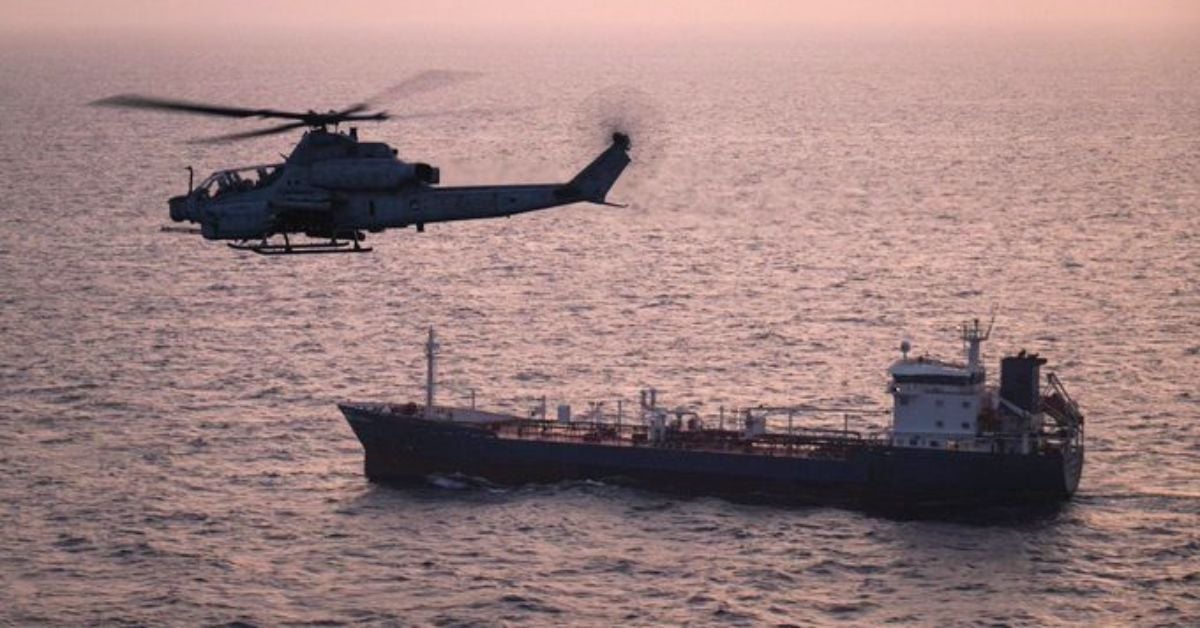
The report arrived with the confidence of a verified fact: a Chinese-flagged cargo vessel, flagged for suspected sanctions evasion, was moving through a critical Middle East waterway. The intelligence was generated by an AI-assisted analysis, and the recommendation was clear enough to warrant a boarding. The operation was only stopped because more experienced analysts and subject matter experts took the time to pull back the layers and question the source data. They found the error in time. A naval incident in one of the world's most volatile shipping lanes was avoided, not because the technology worked, but because human judgment overruled it.
This is the moment where we need to be precise about what "ocean intelligence" actually means. We often speak of integrated data ecosystems and real-time climate indicators as if they exist in a vacuum, but this near-miss is a stark reminder that data is only as good as the validation protocols built around it. The algorithm did not invent the threat; it misinterpreted a pattern, likely a false positive from a commercial tracking signal or a misaligned database entry. For our readers, the takeaway is not that AI is dangerous and should be abandoned. It is that the human-in-the-loop is not a design flaw; it is the feature that makes the system safe. The most advanced predictive model in the world is still just a probability engine until a peer-reviewed, calibrated human context confirms the operational reality.
What should you do with this information? If you are a maritime operator, a policy maker, or a researcher relying on automated alerts, you should be asking your data providers about their ground truth methodology. Who audits the source feeds? What is the error rate on flagged anomalies? The fact that a boarding was canceled because of "more experienced analysts" suggests that the system lacked an effective mechanism to flag its own uncertainty. We would tell any reader who asked us directly: do not let the dashboards lull you into a false sense of certainty. The gap between a data point and a decision is where incidents happen. That gap must be filled with human expertise, and it must be filled deliberately.
The specific detail to watch here is the follow-up: what procedural changes are being implemented to ensure the next alert carries a confidence score that reflects the ambiguity of the source? If the only takeaway is "we got lucky this time," then we have learned nothing. The concrete consequence of this near-miss should be a new standard for AI-assisted intelligence in maritime security, one where the final call is never a handoff to a machine, but a collaboration that demands the machine justify its reasoning to a skeptical human. That is not a cautionary tale; that is a design specification for the future.