## Our Take: Scaling African Port Capacity – A Critical Indicator of Global Trade Resilience
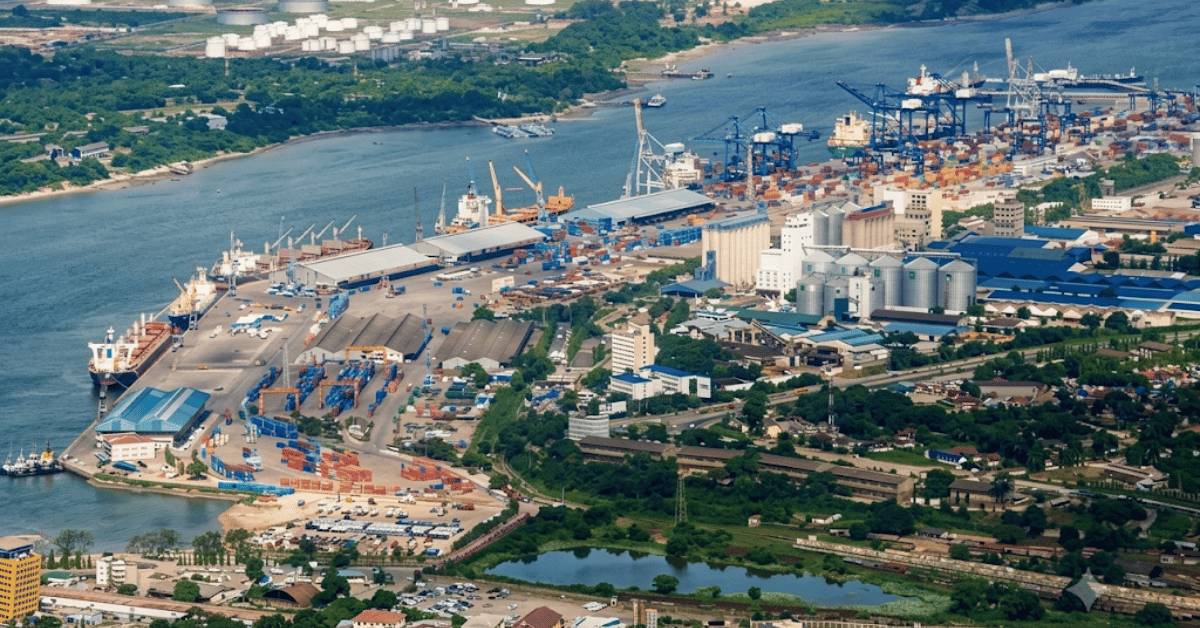
The strengthened partnership between Hapag-Lloyd and DP World, targeting over one million TEU (Twenty-foot Equivalent Units) in regional volumes by 2026, signals a significant shift in the dynamics of global supply chains and highlights the increasing importance of African trade routes. This isn't simply about increased shipping capacity; it reflects a broader recognition of Africa's growing economic potential and the necessity for robust, integrated port infrastructure to support it. The projected volume increase underscores the escalating demand for goods flowing into and out of the continent, driven by factors such as rising consumer markets, resource extraction, and intra-African trade facilitated by initiatives like the African Continental Free Trade Area (AfCFTA). The expansion of terminal capacity across key hubs like Dar es Salaam, as illustrated in the accompanying image, directly addresses bottlenecks that have historically hampered trade efficiency and increased costs for businesses operating in the region. We've previously explored the challenges of infrastructure development in Africa Africa’s Infrastructure Gap: A Barrier to Sustainable Growth and this development provides a tangible example of progress, albeit one that requires continued investment and strategic planning.
The collaboration’s focus on strategic port partnerships is particularly noteworthy. Rather than solely relying on greenfield port developments, leveraging existing infrastructure and optimizing operational efficiency through collaborative agreements represents a more sustainable and cost-effective approach. DP World's expertise in port management and Hapag-Lloyd’s extensive shipping network create a powerful synergy, enabling them to calibrate services and infrastructure to meet evolving demand. This integrated data ecosystem approach—linking shipping schedules with terminal capacity—is vital for minimizing delays and improving predictability, which are crucial for businesses reliant on just-in-time inventory management. Furthermore, this move reflects a broader trend toward regionalization and diversification of supply chains, as companies seek to reduce their dependence on single sourcing locations and mitigate risks associated with geopolitical instability. Our recent analysis of climate-related disruptions to global trade Climate Change and Maritime Supply Chains: A Looming Crisis highlighted the vulnerability of established trade routes, further reinforcing the need for resilient and geographically diverse infrastructure.
Beyond the immediate benefits for Hapag-Lloyd and DP World, this expansion has profound implications for the wider African economy. Increased port capacity translates to lower transportation costs, improved access to global markets for African businesses, and enhanced competitiveness. The ripple effect extends to sectors such as manufacturing, agriculture, and mining, stimulating economic growth and creating employment opportunities. However, realizing the full potential of this development requires complementary investments in inland transportation networks – roads, railways, and pipelines – to ensure that goods can efficiently move from ports to their final destinations. The success of this initiative also hinges on addressing non-tariff barriers to trade, streamlining customs procedures, and fostering a stable and predictable regulatory environment. The empirical data on port efficiency across the continent, as tracked by organizations like the World Bank, consistently reveals a need for greater transparency and reduced bureaucracy Doing Business 2020: Comparing Business Regulation in 190 Economies.
Looking ahead, it’s crucial to monitor the longitudinal impact of this port expansion on regional trade flows and economic development. While the one million TEU target represents a significant milestone, the long-term sustainability of this growth will depend on continued investment in infrastructure, digitalization of port operations, and a commitment to environmental stewardship. The integration of real-time data and predictive analytics will be essential for optimizing port performance and adapting to changing market conditions. A key question to watch is whether this development will catalyze similar investments in other African port cities, creating a network of resilient and interconnected trade hubs capable of supporting the continent’s continued economic ascent.