US-Iran conflict
US-Iran conflict at World Data Ocean is a file of 6 stories. The newest of them: “Yemeni Forces Consolidate Position Along Strategic Bab el-Mandeb Strait”, “Phased Negotiations Aim to Ease Restrictions on Strait of Hormuz”, and “Maritime Trade Faces Fragmentation Amid Sanctions and Evolving Regulations”. Yemeni government forces now hold the Bab el-Mandeb Strait, a choke point for roughly 10 percent of global seaborne oil. The United States and Iran are now discussing a phased deal that could reopen the Strait of Hormuz and lift the US economic blockade. A Global Hub for Ocean Intelligence 4 World Data Ocean is a centralized digital platform where researchers, scientists, and ocean enthusiasts converge to… The list below is every US-Iran conflict story on World Data Ocean, newest first.
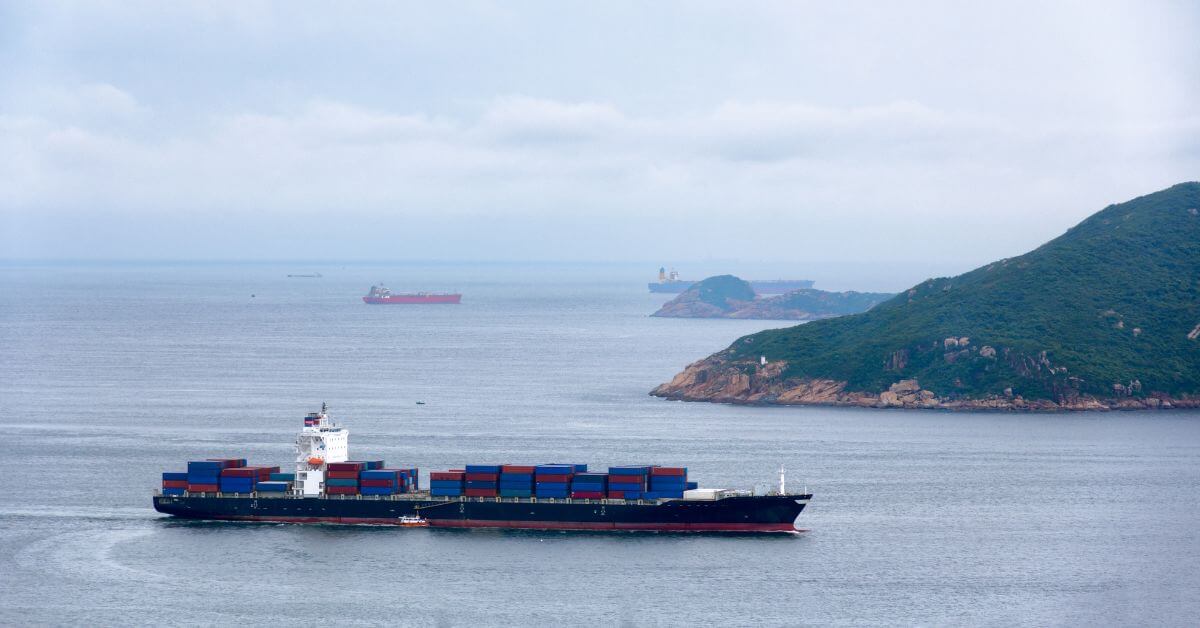
Yemeni Forces Consolidate Position Along Strategic Bab el-Mandeb Strait
Yemeni government forces now hold the Bab el-Mandeb Strait, a choke point for roughly 10 percent of global seaborne oil. This consolidation along the Red Sea coast is a measured, strategic gain, not a call for alarm. Control of this waterway carries real implications for energy security and regional stability. For calibrated context on similar maritime shifts, our coverage of Iraq moving 2 million barrels beyond the Strait of Hormuz offers a parallel read. Understanding these positions is essential, not sensational.
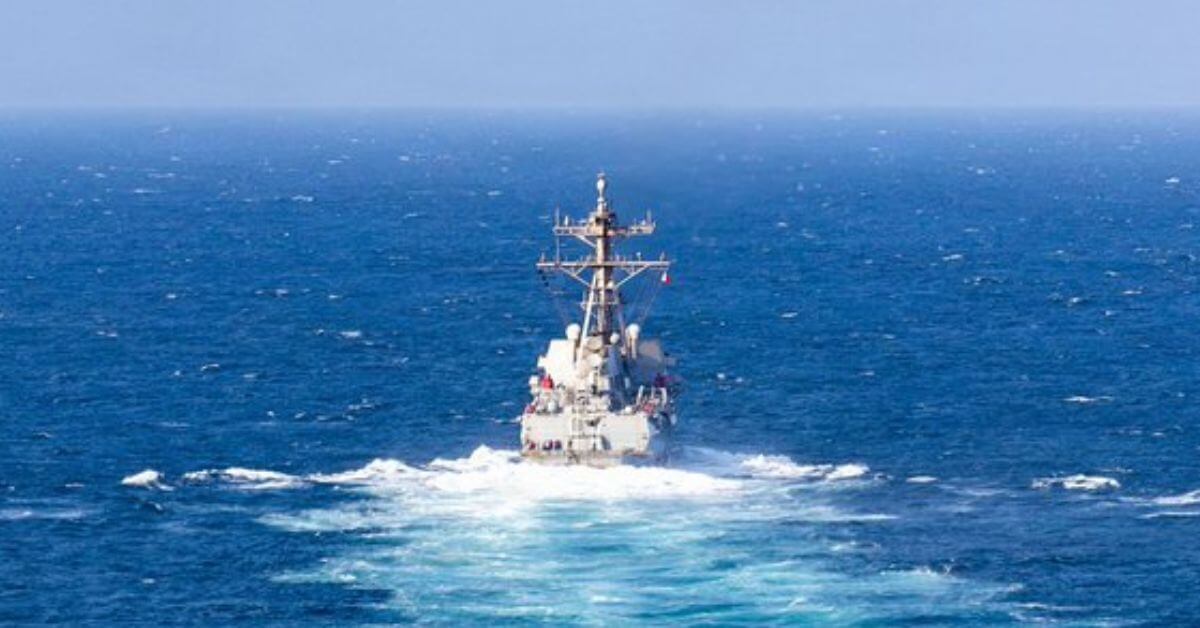
Phased Negotiations Aim to Ease Restrictions on Strait of Hormuz
The United States and Iran are now discussing a phased deal that could reopen the Strait of Hormuz and lift the US economic blockade. This is measured, incremental diplomacy, and that is precisely why it deserves attention. A full reopening would stabilize a shipping lane the entire world depends on. For readers tracking the region's momentum, our related coverage on Gulf of Oman STS transfers shows how strained the system has become. The path forward is narrow, but it is finally being walked.
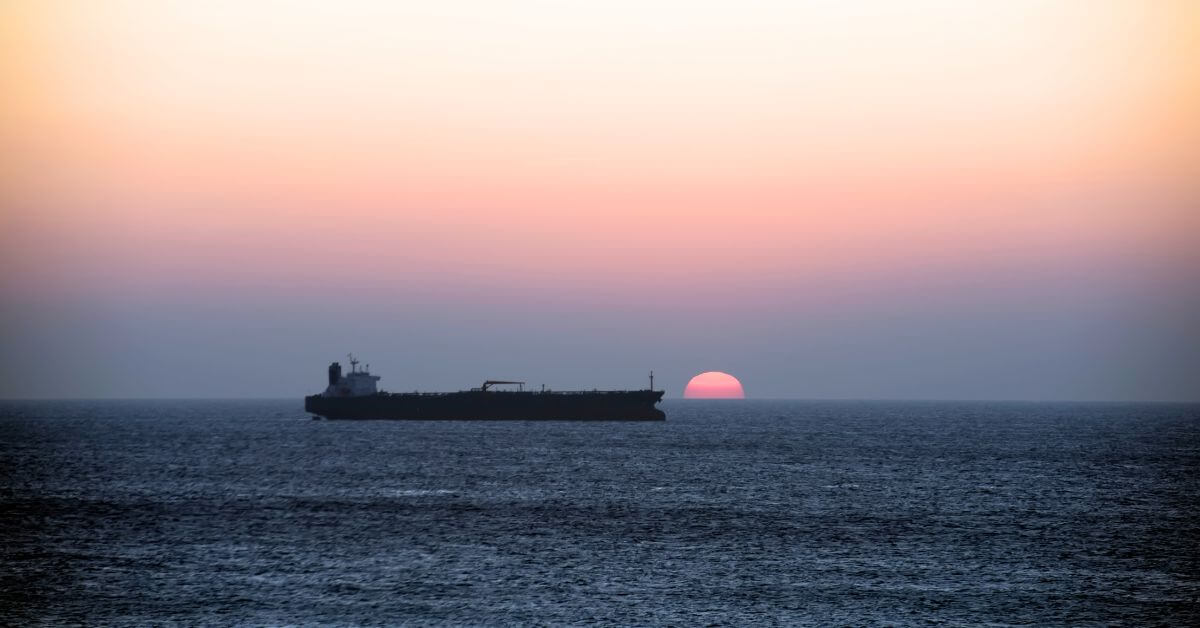
Maritime Trade Faces Fragmentation Amid Sanctions and Evolving Regulations
Maritime trade now confronts fragmentation as sanctions and evolving regulations reshape global shipping routes. Over 80% of the world's goods move by sea, so these shifts carry measurable consequences for supply chains and economies. This is not a moment for alarm, but for calibrated observation. Our recent coverage of the Royal New Zealand Navy's sanctions-monitoring deployment illustrates how nations are adapting. Understanding these dynamics is essential, integrated ocean intelligence helps us track the real-time impact on trade flows and climate indicators alike.
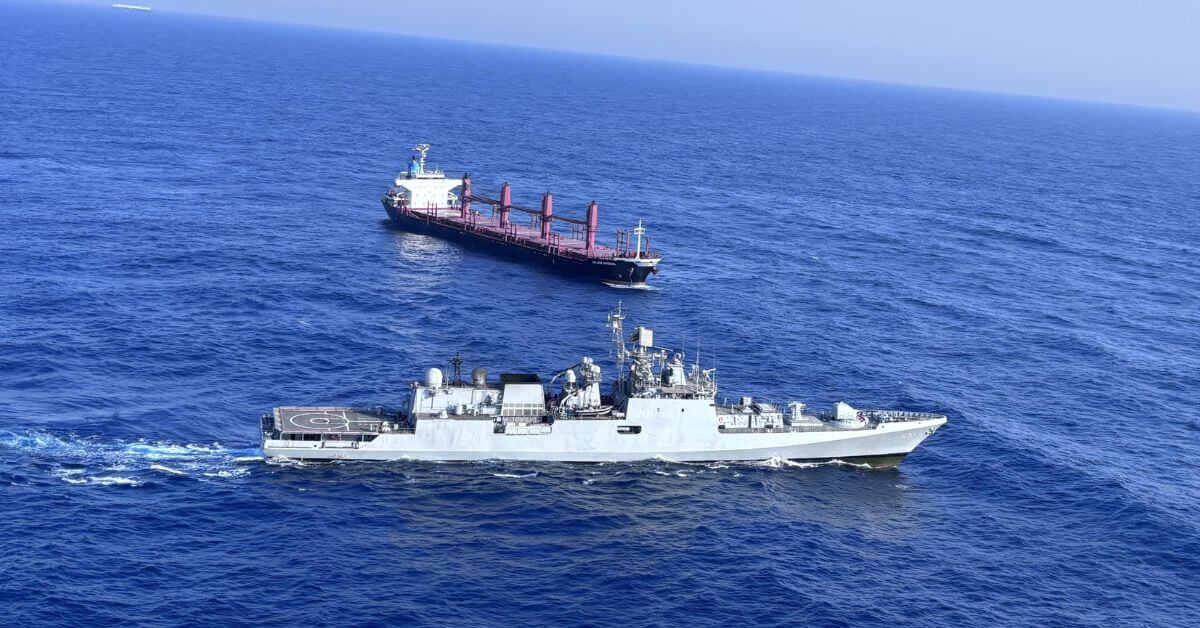
Securing Trade Routes: Indian Navy Ensures Safe Passage Through Bab-el-Mandeb
The Indian Navy's deployment through the Bab-el-Mandeb is a calibrated exercise in maritime security, ensuring that essential cargo continues moving to and from India without disruption. This is not abstract strategy; it is the practical work of keeping trade lanes open where geopolitical friction runs high. The operation reflects a measured commitment to stability, one that aligns with broader shifts in regional logistics, such as the Gulf of Oman STS transfers reaching capacity. Reliable passage here is not optional; it is the backbone of commerce.

Iran Links Strait Passage to U.S. Actions, Raising Geopolitical Tensions
Iran's top military official, Rezaei, has tied the Strait of Hormuz's fate directly to U.S. policy, demanding an end to the war and blockade, the release of frozen assets, and a broader regional ceasefire. The linkage sharpens an already volatile maritime standoff, where every action carries measurable consequence. For those tracking the Gulf's pressure points, this is a clear escalation in rhetoric, not just posturing.

Red Sea Disruption Looms: Iran Signals Houthi Action Over Potential US Strikes
Iran has signaled Houthi forces to prepare closing the Bab el-Mandeb Strait if US strikes target Iranian power plants, raising the specter of a second Red Sea oil route crisis. The move compounds existing strain on maritime trade, already tested by capacity-level STS transfers in the Gulf of Oman. This is not speculation; it is calibrated pressure with global consequences. We are watching a strategic chokepoint being weaponized, and the margin for miscalculation is narrowing.