transit
World Data Ocean keeps transit in one place: 9 stories so far. The section currently leads with “French Defense Vessel Neutralizes Airborne Threat in Bab el-Mandeb Strait”, “Shipping Caution Advised: Incident Near Strait of Hormuz Impacts Transit”, and “Filipino Seafarers Safe After Ukraine Attack; Await Repatriation”. A French frigate made a calibrated, real-time decision in the Bab el-Mandeb Strait, using its gun to destroy an airborne drone it judged to be a threat. The UKMTO's warning on September 10 is a measured but necessary response to an incident near the Strait of Hormuz. A Global Hub for Ocean Intelligence 4 World Data Ocean is a centralized digital platform where researchers, scientists, and ocean enthusiasts converge to… The list below is every transit story on World Data Ocean, newest first.
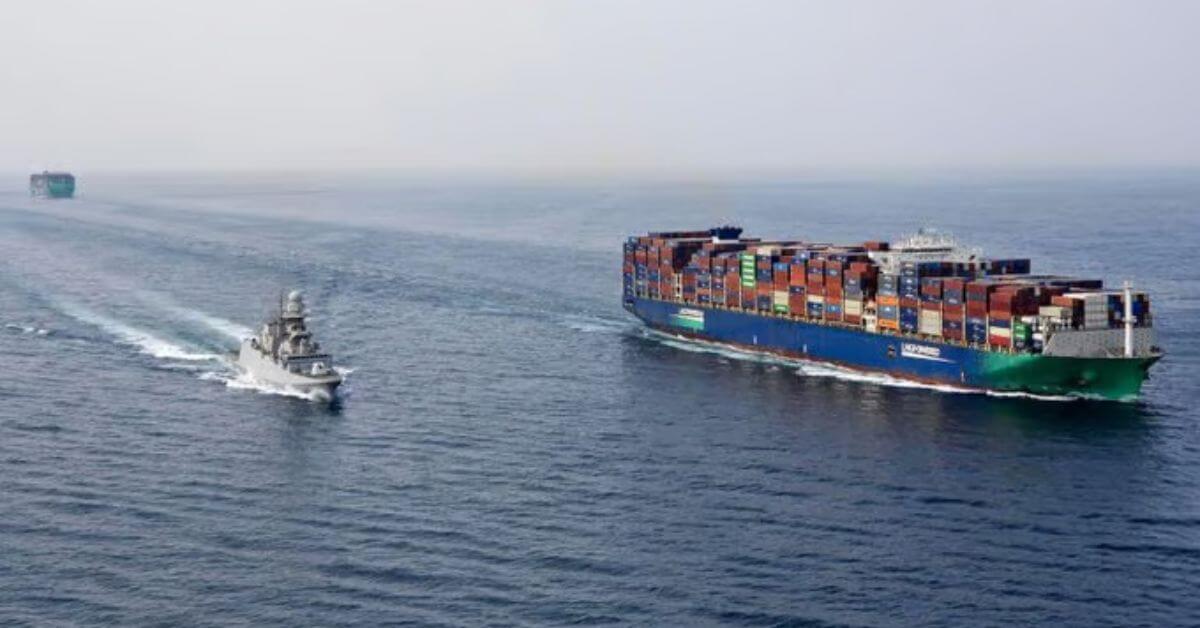
French Defense Vessel Neutralizes Airborne Threat in Bab el-Mandeb Strait
A French frigate made a calibrated, real-time decision in the Bab el-Mandeb Strait, using its gun to destroy an airborne drone it judged to be a threat. This measured use of force underscores the growing need for integrated naval defense in critical shipping lanes. For deeper context on maritime security and the vessels involved, see our coverage of "India's Private Shipyard Delivers First Multipurpose Naval Vessel INS Samarthak."

Shipping Caution Advised: Incident Near Strait of Hormuz Impacts Transit
The UKMTO's warning on September 10 is a measured but necessary response to an incident near the Strait of Hormuz. Vessels in that corridor now face heightened risk, and the call for cautious transit and reporting of suspicious activity reflects a reality we cannot ignore. This is not alarmism, it is empirical caution. For deeper context on the pressures shaping this waterway, our article "Phased Negotiations Aim to Ease Restrictions on Strait of Hormuz" examines the diplomatic efforts underway. Understanding drives protection.
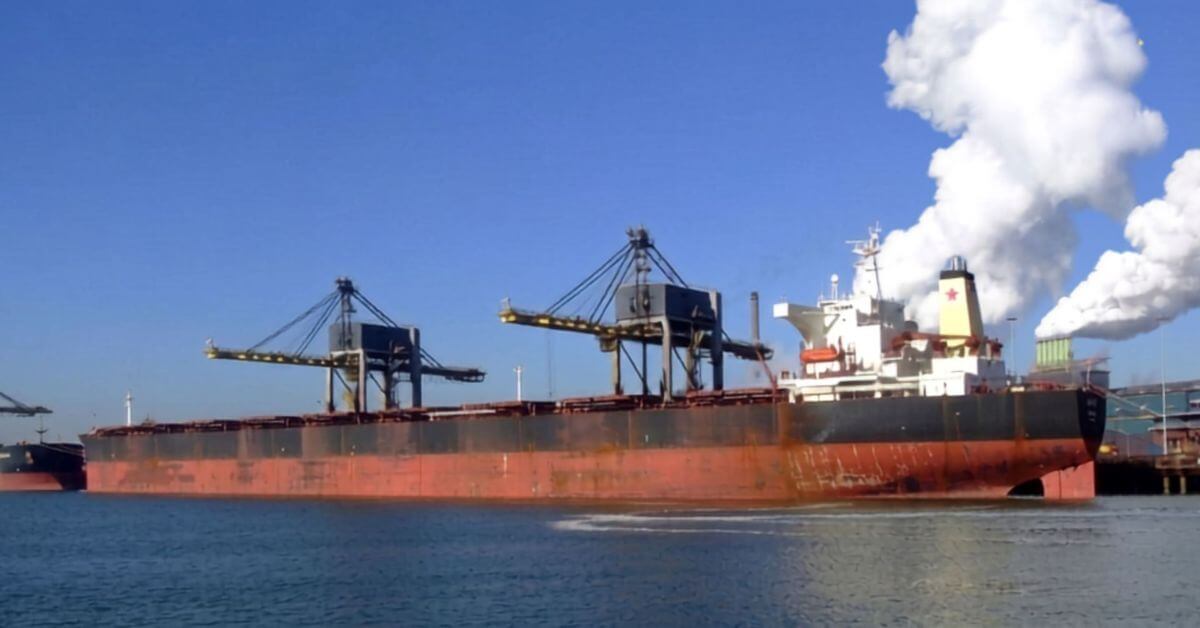
Filipino Seafarers Safe After Ukraine Attack; Await Repatriation
All 26 Filipino seafarers are safe and awaiting repatriation after disembarking from their vessel by Sept. 4, unharmed. The Department of Migrant Workers confirmed no casualties. This measured outcome contrasts sharply with the broader volatility in the region. For deeper context on escalating maritime risks, see our coverage of the *Fatal Attack on Cargo Ship Highlights Black Sea Shipping Risks*. Protection of crew remains paramount in these waters.
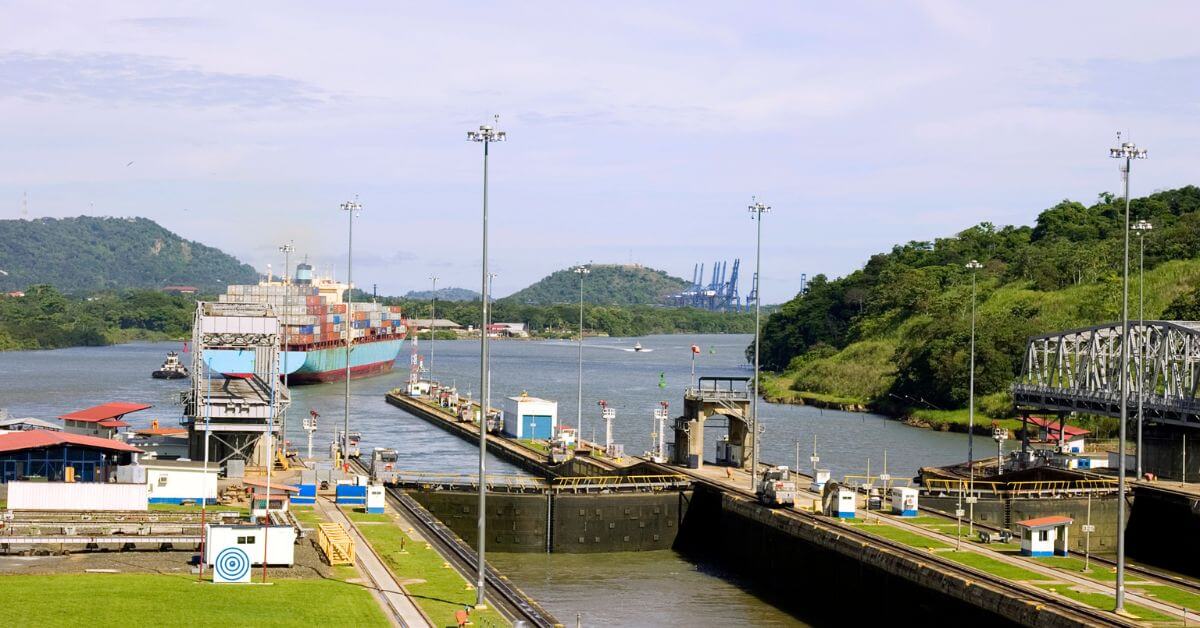
Record Canal Transit Fee Reflects Growing Demand for Ocean Routes
A $5.3 million bid for a single Panama Canal transit slot signals more than deep pockets; it reflects a strategic response to tightening global routes. SK Gas has secured passage for its LPG carrier G. Spirit on Sept. 1, paying a premium that underscores the growing value of reliable ocean corridors. This is the cost of certainty in a constrained system. As demand intensifies, such investments become necessary.

Strait of Hormuz Incident: Vessel Damaged, Crew Member Injured
A vessel was struck while making an outbound transit of the Strait of Hormuz, leaving a crew member injured, according to the Company Security Officer. The incident underscores how quickly risk can escalate in a waterway where geopolitical tension already runs high. Such disruptions are not isolated events; they are part of a broader pattern affecting regional energy flows. For deeper context on these dynamics, our coverage of phased negotiations aimed at easing restrictions on the Strait offers useful perspective.

Strait of Hormuz Traffic Plummets Amidst Escalating Tensions and Attacks
The Strait of Hormuz is tightening under pressure. Ship traffic has plummeted after attacks on five commodity tankers, a stark reminder that instability directly chokes global energy lifelines. While U.S.-Iran negotiations for a peace agreement remain stalled, the cost of inaction is measurable in real-time data. The parallel rise of Gulf of Oman STS transfers, covered in our related piece on maxed-out ship-to-ship operations, underscores how trade adapts, but never without risk.

Houthis Dispute Transit Fee Claims; Shipping Caution Advised.
Claims of transit fee demands have surfaced, but Houthi officials dispute them, urging caution across shipping lanes. The organisation advises companies against payments or information sharing with unauthorised parties, a measured stance we find reassuring. Clarity here is operational, not optional. For broader context on regional pressures, our coverage of Gulf of Oman STS transfers offers useful perspective. Vessels should verify instructions through official channels. Vigilance, not alarm, remains the operative principle.
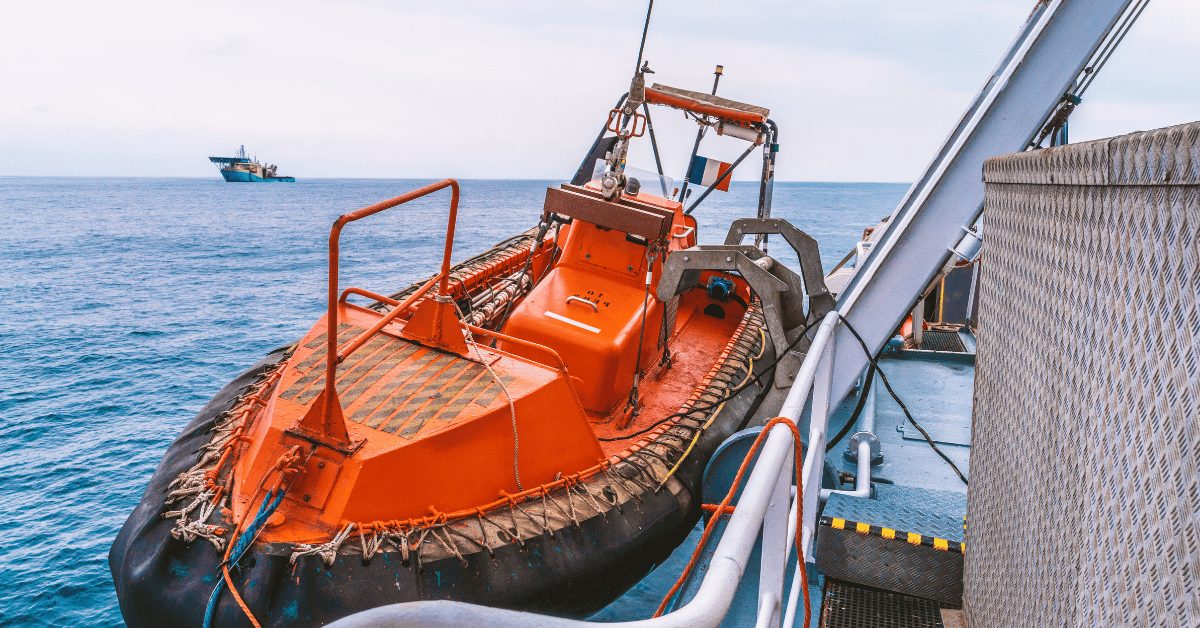
Cable Failure Leads to Irreversible Damage of Fast Rescue Craft
A Fast Rescue Craft sustained irreversible damage when its cable failed during launch, dropping it nine meters into the water. No injuries were reported, yet the vessel was written off as beyond repair. This incident underscores how a single mechanical failure can sideline critical safety equipment in an instant. For crews operating in demanding conditions, the margin for error remains slim. For broader context on maritime operational risks, our coverage of shifting cargo dynamics in Russian terminals offers a useful contrast in resilience.

India-Bound Shipping Traffic Highlights Iran's Strait of Hormuz Influence
Twenty percent of outbound Persian Gulf transit requests now name Indian ports, trailing only China's 21 percent. That concentration is a measurable signal of how deeply subcontinental demand shapes Gulf shipping lanes. It also underscores the strategic weight of the Strait of Hormuz as a chokepoint for India-bound energy and goods. For readers tracking maritime shifts, this complements our look at Goa's new seafarer welfare hub, a practical investment in the human side of these same routes.