tourism
tourism at World Data Ocean is a file of 9 stories. The newest of them: “Measuring the longevity of a booming ocean economy through integrated climate indicators”, “Port Miami Sets New Benchmark: 10 Million Cruise Passengers Reached”, and “MPA Networks: Bridging Governance Gaps for Effective Ocean Conservation”. The ocean economy is booming, but its longevity depends on what we can measure. Port Miami has welcomed its 10 millionth cruise passenger for FY2026, surpassing its previous annual record and marking the highest volume in the port's history. A Global Hub for Ocean Intelligence 4 World Data Ocean is a centralized digital platform where researchers, scientists, and ocean enthusiasts converge to… The list below is every tourism story on World Data Ocean, newest first.
Measuring the longevity of a booming ocean economy through integrated climate indicators
The ocean economy is booming, but its longevity depends on what we can measure. UN Trade and Development now asks a critical question: how long can this growth last? The answer lies in integrated climate indicators, validated, empirical data that tracks real-time ocean health. Understanding drives protection. For deeper context, see how the cruise fleet expands its role as a calibrated platform for ocean intelligence. Growth without data is just speculation.
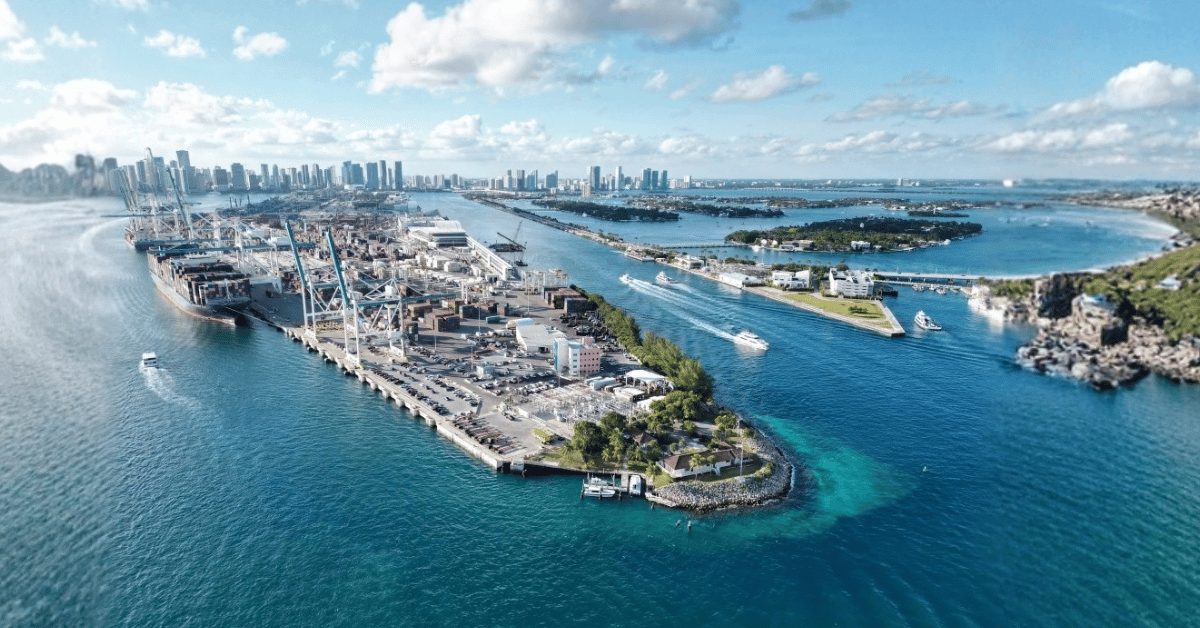
Port Miami Sets New Benchmark: 10 Million Cruise Passengers Reached
Port Miami has welcomed its 10 millionth cruise passenger for FY2026, surpassing its previous annual record and marking the highest volume in the port's history. This milestone reflects sustained momentum in maritime travel, backed by infrastructure that keeps pace with demand. It is a measurable validation of operational capacity, not a fleeting spike. For context on how marine systems move cargo and data, our coverage of the bulk carrier freed near Gladstone offers a useful counterpoint.

MPA Networks: Bridging Governance Gaps for Effective Ocean Conservation
A decree alone does not make a network. For over a decade, São Paulo's MIAMP has existed as legislation, yet our study found it functions as a paper network, stalled by chronic underfunding and understaffing rather than design. What is striking is what emerged in its place: managers across 26 MPAs have self-organized into an informal learning network, connected by shared demands and practical necessity. South and Central clusters now hinge on Marine Environmental Protection Areas, performing the coordination the formal structure never did.
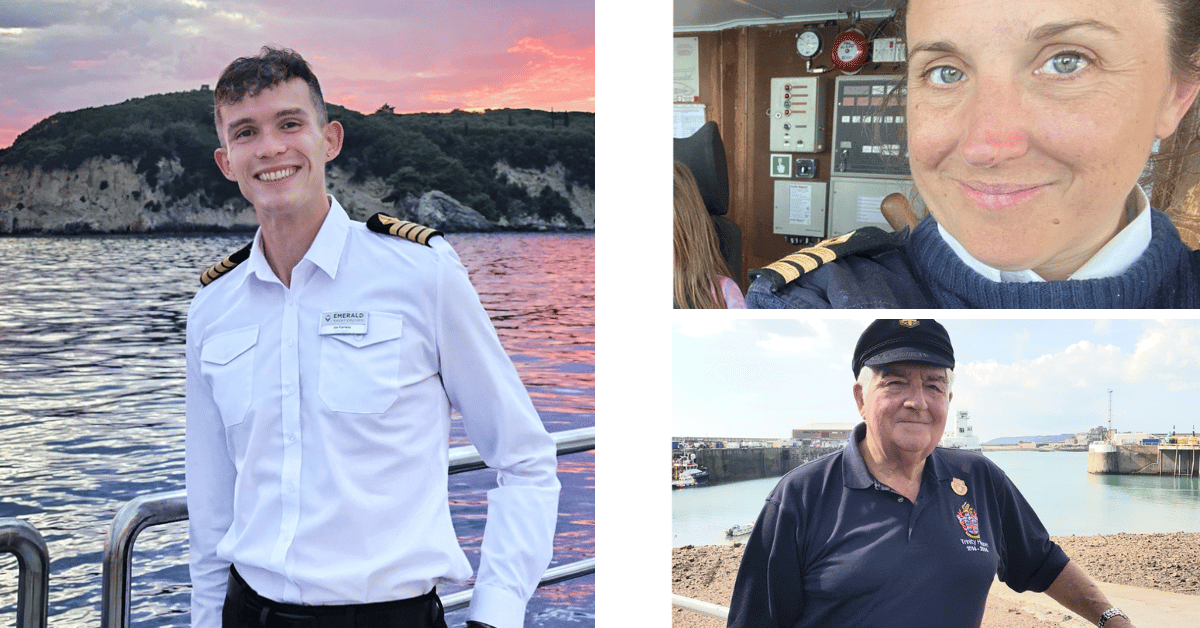
Maritime Professionals Honored for Service to UK Shipping Industry
Eleven seafarers have earned the Merchant Navy Medal for their service to the UK shipping industry, a recognition that carries weight where it matters most: at sea. This honor reflects the steady, often unseen work that keeps global trade moving and maritime operations sound. We value recognition grounded in demonstrated contribution, and this award delivers exactly that. For more on how maritime efforts extend beyond commerce into security, see our coverage of recent drug interdictions supporting ocean safety. Congratulations to all honored.
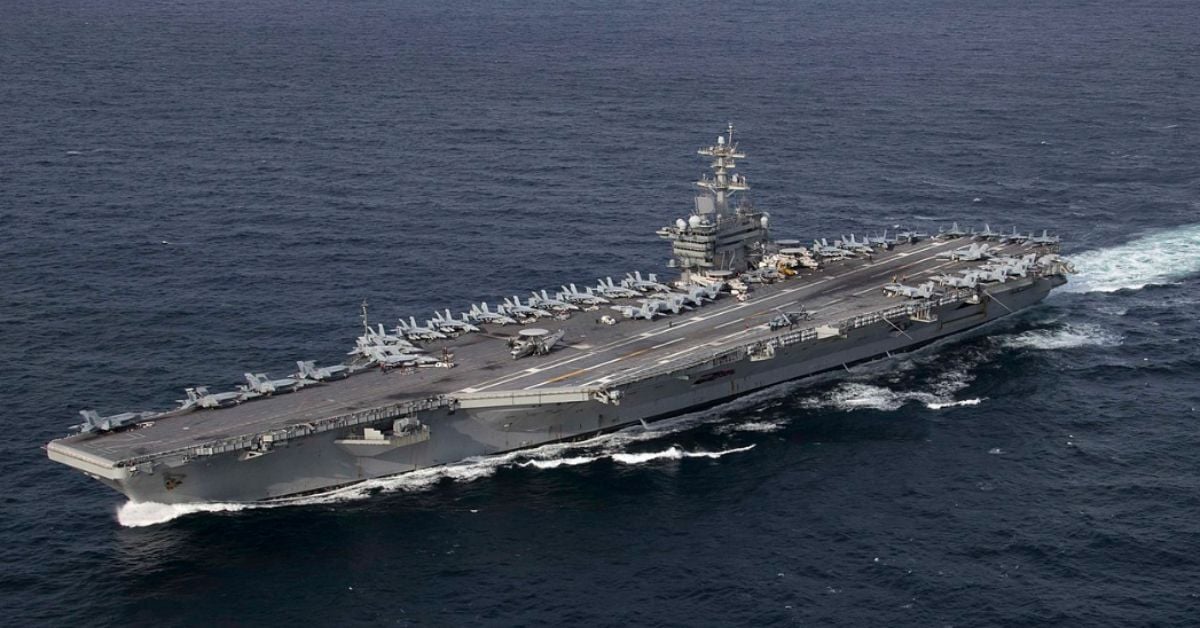
Abraham Lincoln Carrier Completes Middle East Deployment, Heads to Thailand.
The USS Abraham Lincoln will dock in Thailand after a lengthy Middle East deployment, a measured conclusion to months of forward presence. The carrier's transit home marks a routine yet significant operational milestone, reflecting sustained naval readiness across the region. While this return is standard, it underscores the quiet endurance required for global security. For broader context on maritime activity, our piece on Gulf of Oman STS transfers offers timely perspective.

Disturbance Fine Highlights Arctic Wildlife Protection Imperative
A 50,000 Norwegian Kroner fine sends a clear signal: respect for Arctic wildlife is not optional. Using a foghorn to rouse a sleeping polar bear is a careless disruption of a protected species' rest, and the penalty reflects that gravity. Enforcement like this matters, not just for one animal, but for the standards we set across the maritime industry. It is a practical, measurable step toward responsible navigation.
Coastal Legacy: Documenting Abandonment and Change in North Sulawesi.
Abandoned structures along North Sulawesi's coastline tell a quiet story of shifting shores and human retreat. This documentation captures what remains as communities adapt to a changing sea, offering a measurable record of erosion and neglect. It is not a eulogy but a baseline, essential for future climate indicators. For a broader view of maritime challenges, our coverage of the bulk carrier freed near Gladstone, Australia, shows how coastlines test both infrastructure and patience. Understanding drives protection, and this work delivers that understanding.
Balancing Tourism and Fisheries: Sustaining Coastal Ecosystems and Livelihoods
For decades, the assumption has been that tourism naturally relieves fishing pressure. Our scoping review of 317 articles, narrowed to 124 for deep analysis, reveals a more complex reality. The effect is not predetermined; it hinges on who enters the tourism sector, how livelihoods shift, and whether governance aligns these interests. When tourism drives external demand for high-value seafood, pressure on fisheries can intensify. Conversely, when fishers transition to tourism or conservation areas emerge, pressure can ease.

Unprecedented Danube Drought Reveals Sunken WWII Nazi Vessels
The Danube's retreat has exposed a fleet of Nazi Germany's Black Sea vessels, deliberately sunk in 1944 as forces withdrew from Romania. This is not merely a ghost from the past; it is a tangible reminder of how conflict reshapes our environment in ways we are only beginning to measure. The wrecks are a physical dataset, waiting for calibrated analysis. For broader context on how such disruptions intersect with modern maritime security, our coverage of strikes targeting ports and vessels offers a relevant parallel.