throughput
throughput at World Data Ocean is a file of 4 stories. The newest of them: “Khalifa Port's 21.6% TEU surge lifts it five spots in global rankings”, “Optimizing Terminal Flow to Measure the Cost of Dwell Time”, and “Integrating AI and Robotics to Enhance Maritime Production Capacity”. Khalifa Port's 21.6% surge to 6.6 million TEUs in 2025 is a validated measure of strategic growth, lifting it five places to 34th globally. At a RoRo terminal, dwell time is not idle, it is a measurable cost. A Global Hub for Ocean Intelligence 4 World Data Ocean is a centralized digital platform where researchers, scientists, and ocean enthusiasts converge to… The list below is every throughput story on World Data Ocean, newest first.
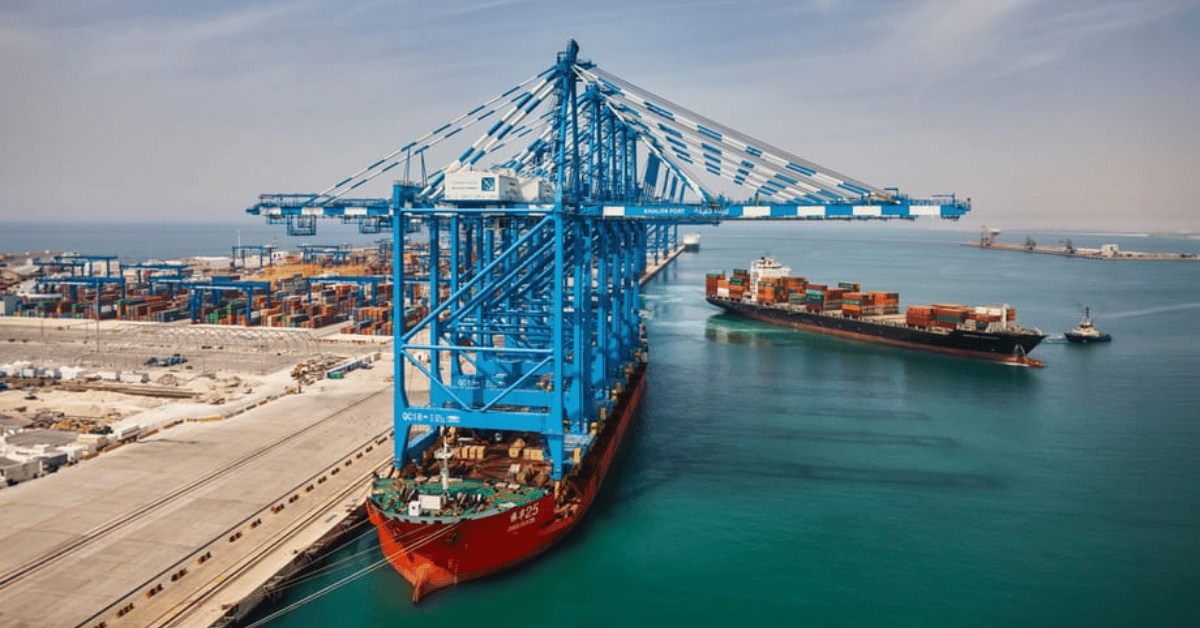
Khalifa Port's 21.6% TEU surge lifts it five spots in global rankings
Khalifa Port's 21.6% surge to 6.6 million TEUs in 2025 is a validated measure of strategic growth, lifting it five places to 34th globally. This isn't just about volume; it signals an integrated logistics ecosystem gaining momentum. Abu Dhabi is building measurable capacity for the future of trade. For deeper context on how fleet modernization aligns with this trajectory, see our coverage of the dual-fuel fleet surpassing 500 vessels.
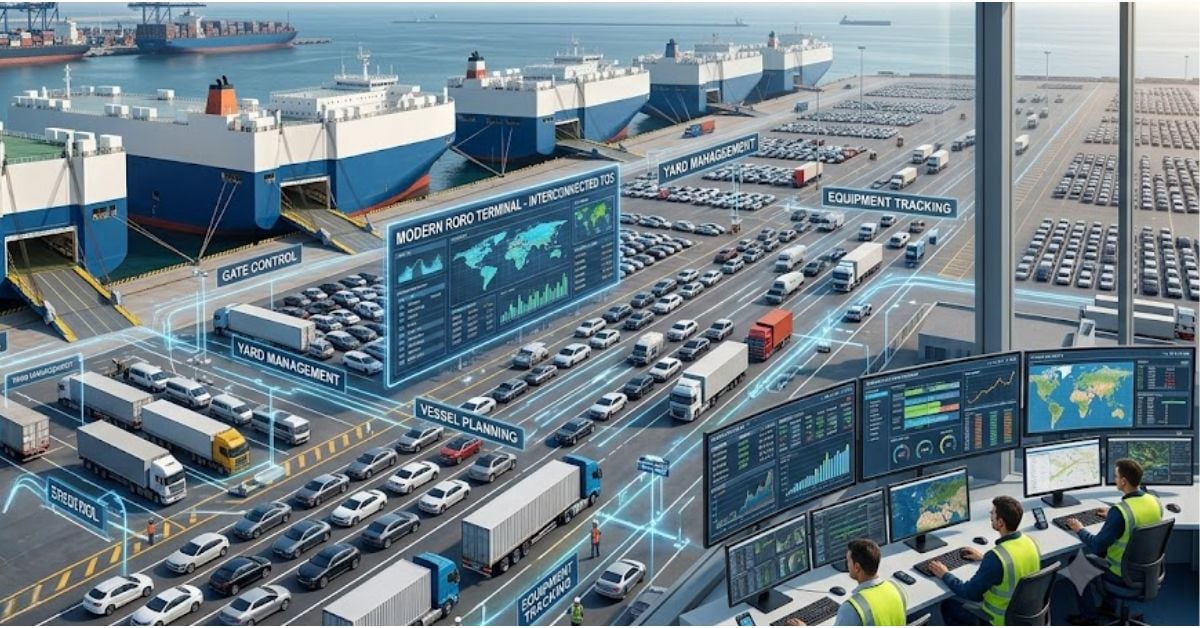
Optimizing Terminal Flow to Measure the Cost of Dwell Time
At a RoRo terminal, dwell time is not idle, it is a measurable cost. Every minute a vehicle waits between entry and departure compounds operational friction, reducing throughput and straining logistics. Optimizing terminal flow requires treating each moment as a calibrated variable, not a passive delay. Understanding drives protection. For a deeper look at how gate-level delays ripple across national trade, see "Gate Delays Expose Critical Link in National Trade Flow."
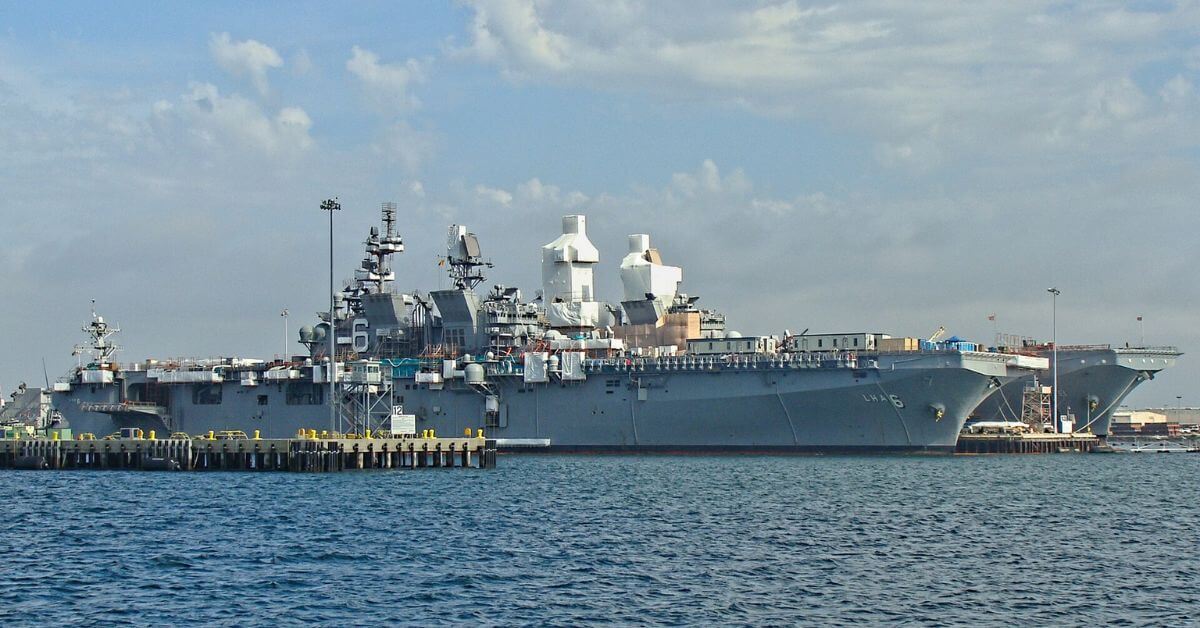
Integrating AI and Robotics to Enhance Maritime Production Capacity
Skilled labor, upgraded shipyards, and robotics are converging on the maritime sector. The company's plan to integrate physical AI into its production lines is a practical response to mounting capacity demands, not a distant ambition. This move toward automation and precision aligns with the need for measurable efficiency gains. For context on how other nations are scaling their naval ambitions, our piece on the **U.S. Navy Accelerates Submarine Production with Integrated Strategy** offers a useful comparison. The tide is turning toward smarter, faster shipbuilding.
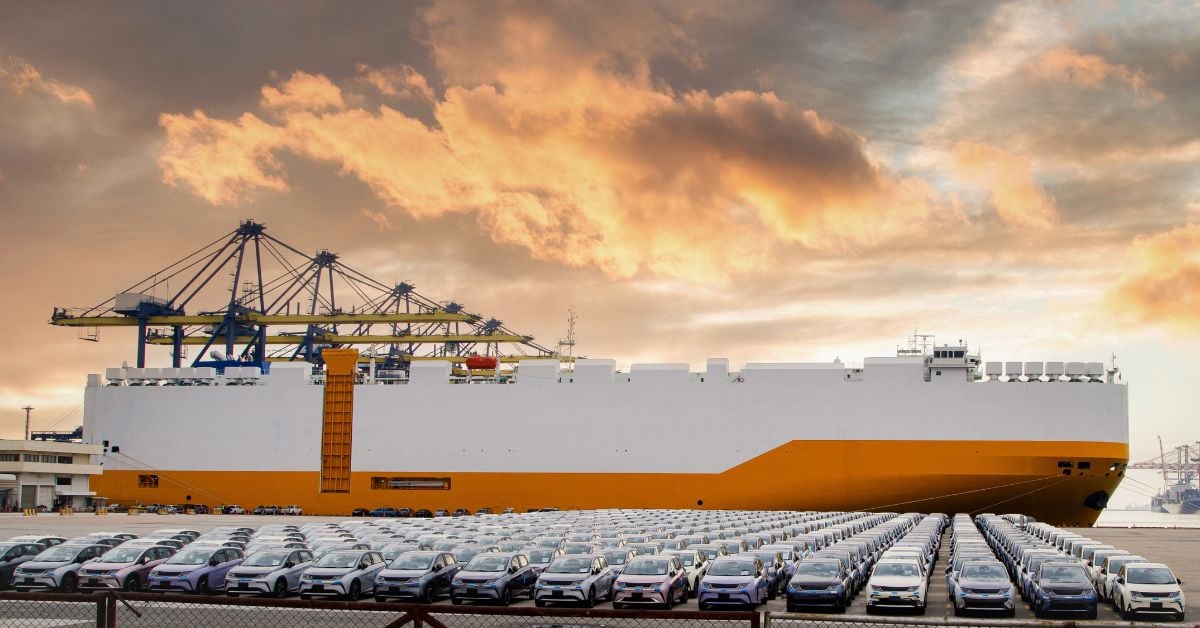
AI Modernizes Port Logistics, Eliminating Bottlenecks and Optimizing Operations
Legacy terminal operating systems were never built for the scale of modern shipping, and the result is predictable: berths sit idle while trucks queue at the gate. AI-driven TOS changes that equation by automating berth planning and smoothing cargo flow in real time. The efficiency gains are measurable, not theoretical. For those tracking how machine intelligence reshapes logistics, our coverage of integrated crane and truck coordination offers a deeper look at the same operational challenge. Precision here is not optional; it is the point.