technology transfer
World Data Ocean keeps technology transfer in one place: 7 stories so far. The section currently leads with “Bridging science and equity: sharing digital data from ocean genetic resources”, “Two billion dollars in waste infrastructure turns pollution into measurable global impact”, and “India validates naval air power with Rafale Marine trials aboard INS Vikrant”. The BBNJ Agreement's mechanism for sharing digital sequence information from marine genetic resources marks a calibrated step toward equity in ocean science, yet its legal framework reveals unresolved tensions. A Global Hub for Ocean Intelligence 4 World Data Ocean is a centralized digital platform where researchers, scientists, and ocean enthusiasts converge to… The list below is every technology transfer story on World Data Ocean, newest first.

Bridging science and equity: sharing digital data from ocean genetic resources
The BBNJ Agreement's mechanism for sharing digital sequence information from marine genetic resources marks a calibrated step toward equity in ocean science, yet its legal framework reveals unresolved tensions. Non-monetary benefit-sharing lacks mandatory clarity, capacity-building pathways remain undefined, and database governance is incomplete. These are measurable gaps, not abstract ones. Bridging science and equity demands more than a treaty; it requires an integrated implementation architecture.
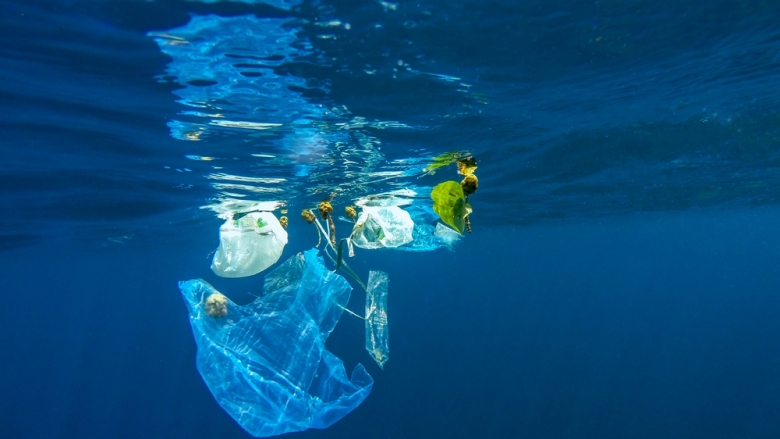
Two billion dollars in waste infrastructure turns pollution into measurable global impact
Two billion dollars in waste infrastructure transforms pollution into measurable global impact. The World Bank has financed projects worth over US$2 billion across all regions, creating jobs, supporting small enterprises, and improving treatment facilities. This is validated, real-world investment, not aspiration. The scale is deliberate, the outcomes empirical. For deeper context on maritime operations, see our coverage of India's Rafale Marine trials aboard INS Vikrant. Understanding drives protection; investment drives change.
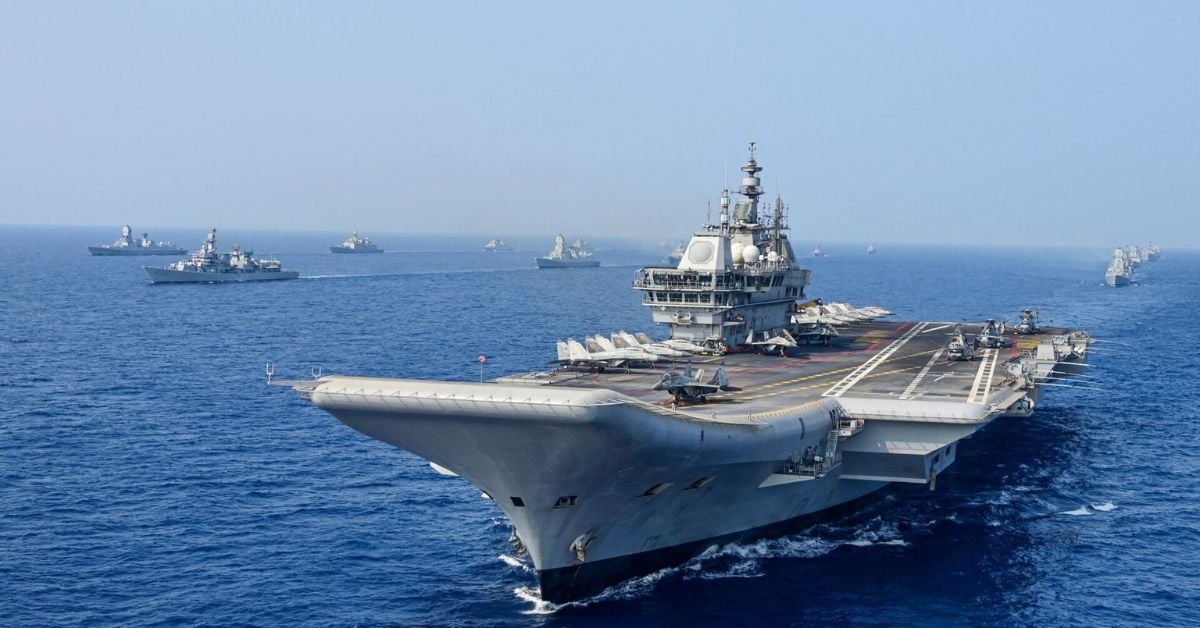
India validates naval air power with Rafale Marine trials aboard INS Vikrant
The Indian Navy's validation of the Rafale Marine aboard INS Vikrant is a calibrated step toward integrating 26 carrier-based fighters under a ₹63,000 crore agreement with France. These trials measure real-world performance, not just specifications. Air power from a moving deck demands empirical proof. For deeper context on global naval developments, see our coverage of the Suffren-class submarine *Rubis* entering sea trials. Understanding drives protection, from the flight deck to the ocean floor.
Cross-Border Plastic Pollution: Charting Cooperation Through China and Pakistan
China and Pakistan face the same Pacific currents, yet their legal responses to marine plastic pollution diverge sharply. This comparison of regulatory frameworks reveals that China's 2024 Marine Environmental Protection Law and new Ecological Code create a more integrated system, while Pakistan's devolved structure remains fragmented. Still, the 2023 Single-Use Plastics Regulations mark a step forward, not a failure. The proposed CPEC cooperation mechanism offers a practical path forward, one that builds on shared infrastructure rather than abstract ideals.
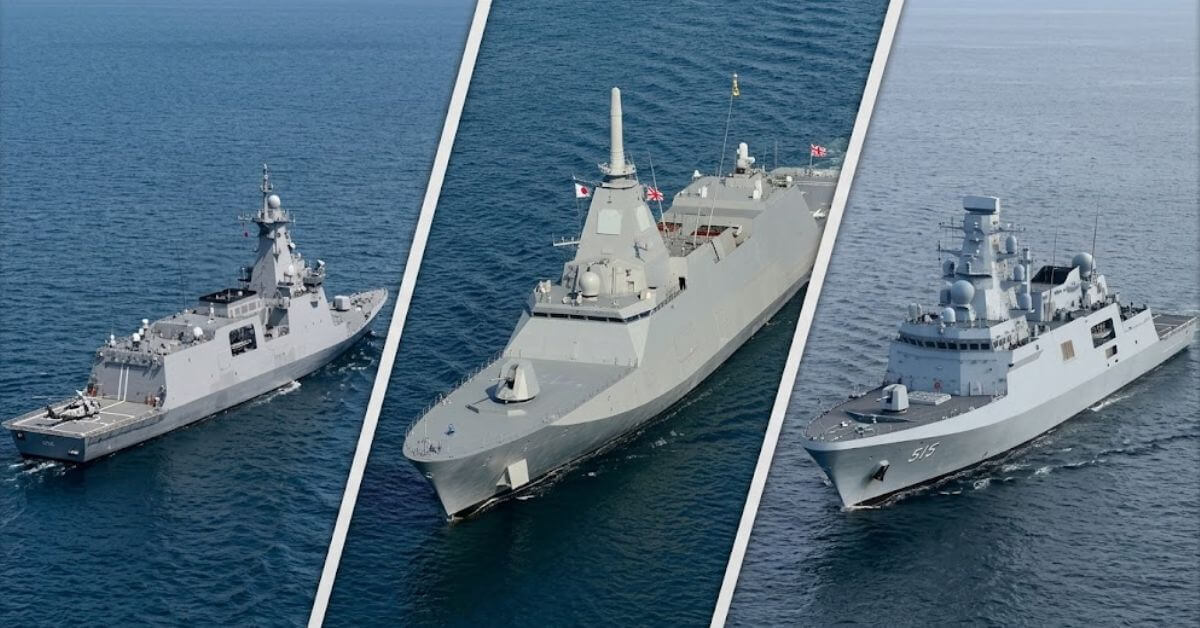
Global Shipbuilding Collaboration: Navy Explores International Frigate Options
The U.S. Navy's move to explore international frigate options signals a pragmatic shift toward speed without sacrificing domestic investment. This approach, which pairs foreign collaboration with targeted funding for U.S. shipyards and workforce expansion, reflects a measured strategy for meeting modern demands. It is a practical acknowledgment that no single nation can build everything alone, and that shared expertise strengthens overall capability. For readers tracking parallel efforts, our coverage of India's expanded naval fleet offers a useful counterpoint.

Integrated Defense: Japan Deploys Fighters to India for Joint Exercises
Japan's deployment of fighter aircraft to India for joint exercises reflects a deliberate step toward shared regional stability. The agreement, finalized during bilateral talks in New Delhi between Defence Ministers Rajnath Singh and Shinjiro Koizumi, reinforces a practical alignment of defense priorities. Integrated operations of this kind build interoperability and trust, essential for addressing maritime security challenges. The timing is notable, particularly as related coverage on China's new nuclear carrier highlights shifting naval dynamics. Measured, recurring engagement between partners matters here.

India Advances Submarine Fleet Modernization with German Acquisition
The Indian Navy's decision to advance submarine fleet modernization through a German acquisition addresses a pressing operational gap. With conventional submarine numbers falling short of requirements, this programme is not merely procedural; it is a calibrated response to shifting maritime realities. We see this as a practical step toward sustaining underwater deterrence, though the timeline will test both industrial coordination and strategic patience.