Svalbard
6 stories filed under Svalbard on World Data Ocean. The newest of them: “NATO Intervenes to Prevent Russian Subsea Cable Disruption Exercise”, “Arctic Stranding: Norway Assists 69 Russians Amid Maritime Dispute.”, and “Dispute Escalates: Vessel Seized Amid Ukraine’s Energy Claim Against Russia”. NATO intervened to prevent a Russian exercise aimed at disrupting subsea cables, a direct challenge to the global data networks we rely on. A Norwegian court ordered the seizure of a Russian vessel, and then Oslo assisted the 69 stranded crew members. A Global Hub for Ocean Intelligence 4 World Data Ocean is a centralized digital platform where researchers, scientists, and ocean enthusiasts converge to… The list below is every Svalbard story on World Data Ocean, newest first.

NATO Intervenes to Prevent Russian Subsea Cable Disruption Exercise
NATO intervened to prevent a Russian exercise aimed at disrupting subsea cables, a direct challenge to the global data networks we rely on. Two Western officials confirmed the vessels were stopped and later departed. This is not an isolated provocation. Our related coverage of *Russian Maritime Activity Raises Concerns of Drone Operations in Mediterranean* suggests a pattern of calibrated, high-risk behavior. Protecting ocean intelligence infrastructure is no longer theoretical; it is an operational necessity. Understanding drives protection.
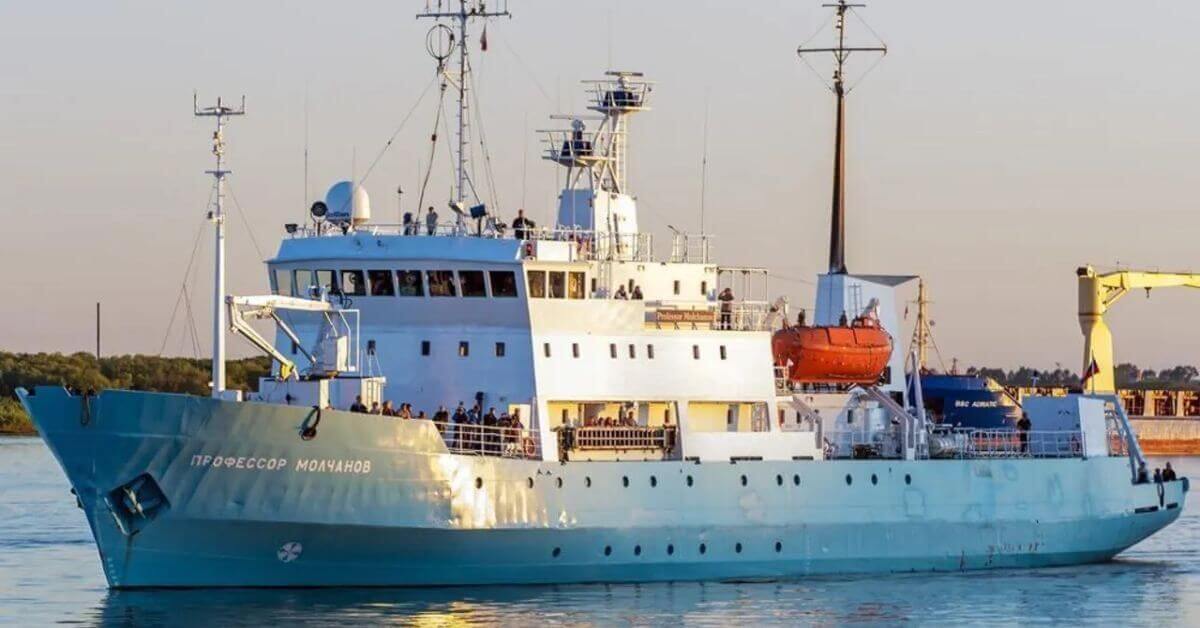
Arctic Stranding: Norway Assists 69 Russians Amid Maritime Dispute.
A Norwegian court ordered the seizure of a Russian vessel, and then Oslo assisted the 69 stranded crew members. This is pragmatic diplomacy during a maritime dispute driven by Ukraine's Naftogaz. Arctic operations cannot afford political standstills; they require calibrated cooperation. The incident highlights how commercial shipping becomes entangled in geopolitical currents. For deeper context on Russia's Arctic ambitions, see our coverage of the Vostok Project's oil exports amid shifting sanctions.
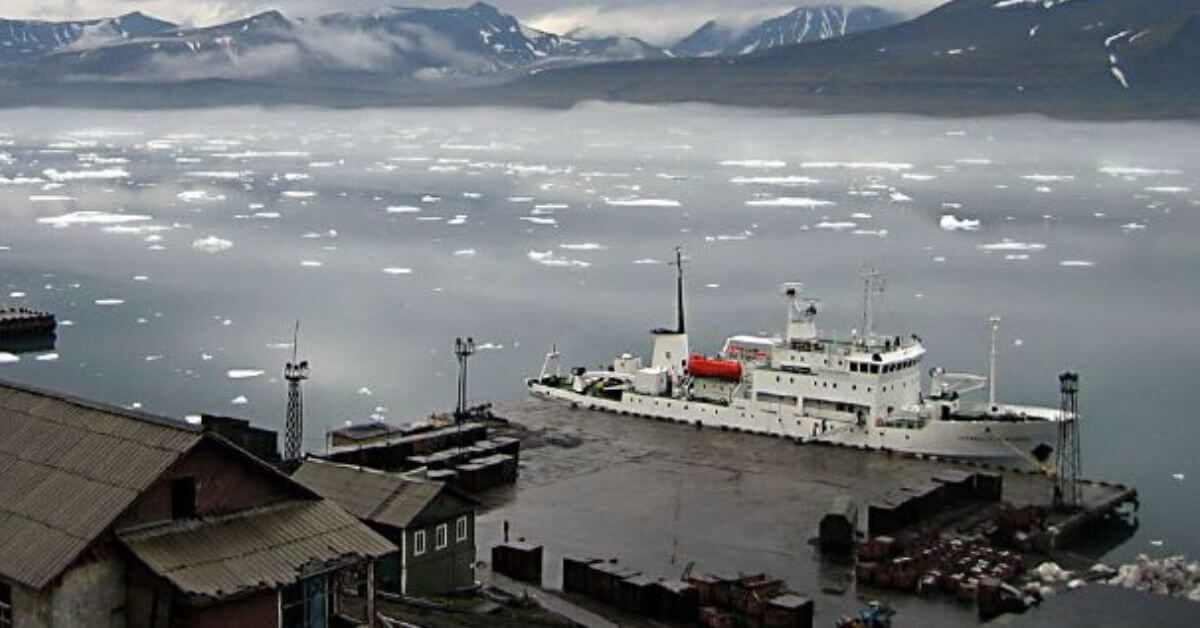
Dispute Escalates: Vessel Seized Amid Ukraine’s Energy Claim Against Russia
A vessel has been seized in escalating legal conflict. Ukraine's state energy company, Naftogaz, pursues a $4.2 billion compensation claim for assets taken by Russia. This is not merely a financial dispute, it is a calibrated test of international maritime law and the boundaries of energy sovereignty. The claim invites scrutiny of how state-sponsored seizures intersect with broader geopolitical pressures. For deeper context on Russia's evolving maritime strategy, see our coverage of the Northern Sea Route icebreaker revenue plan.

Arctic Glacier Retreat Creates New Coastal Lagoons, Expanding Ecosystems
Retreating glaciers across the Arctic are redrawing coastlines, and Svalbard now hosts a growing number of coastal lagoons where none existed before. These newly emerged paraglacial systems remain largely absent from regional monitoring, despite their rapid expansion. We see this as a missed opportunity: the lagoons form a developmental continuum, from glacier-influenced basins to biologically structured systems, and early evidence suggests they act as biogeochemical reactors, including potential methane sources.
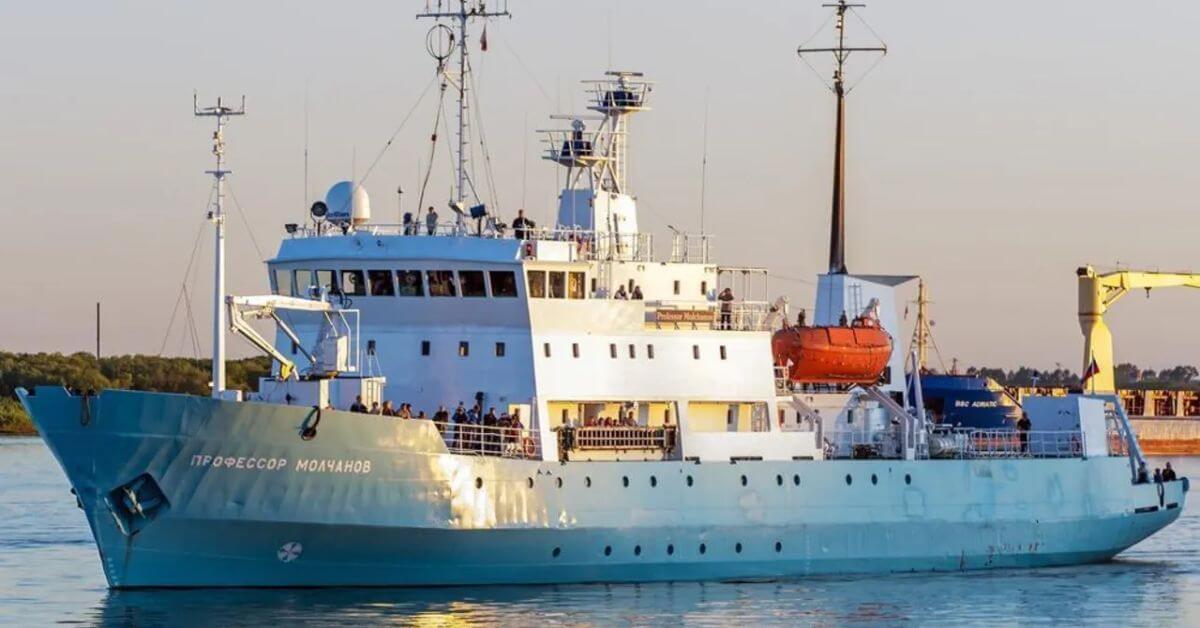
Norway Enforces International Ruling, Seizes Russian Vessel Linked to Svalbard Cruises
Norway's seizure of a Russian vessel linked to Svalbard cruises marks a decisive step in enforcing international maritime rulings. The ship, operated by the Russian Federation for commercial expedition voyages, now sits at the center of a legal and geopolitical test. This action underscores that ocean governance carries weight beyond rhetoric. It also echoes broader patterns in Arctic shipping, where Russia's strategic ambitions, from icebreaker funding to Arctic oil exports, increasingly collide with international law. We'll be watching how this precedent shapes future compliance.

Disturbance Fine Highlights Arctic Wildlife Protection Imperative
A 50,000 Norwegian Kroner fine sends a clear signal: respect for Arctic wildlife is not optional. Using a foghorn to rouse a sleeping polar bear is a careless disruption of a protected species' rest, and the penalty reflects that gravity. Enforcement like this matters, not just for one animal, but for the standards we set across the maritime industry. It is a practical, measurable step toward responsible navigation.