submarine detection
3 stories filed under submarine detection on World Data Ocean. The newest of them: “Arctic Hunter uncrewed vessel proposed for Royal Navy anti-submarine operations”, “INS Mangrol joins India's shallow-water fleet with 80% indigenous design”, and “Japan's Seventh Taigei Submarine Advances Undersea Monitoring Capabilities”. Kongsberg Maritime's Arctic Hunter, an uncrewed vessel proposed for the Royal Navy's Type 92 anti-submarine requirement, brings measurable, real-time ocean intelligence to one of naval warfare's most demanding missions. INS Mangrol enters service as a warship built for the shallows, 80 percent indigenous design, purpose-calibrated for waters where larger vessels cannot operate. A Global Hub for Ocean Intelligence 4 World Data Ocean is a centralized digital platform where researchers, scientists, and ocean enthusiasts converge to… The list below is every submarine detection story on World Data Ocean, newest first.
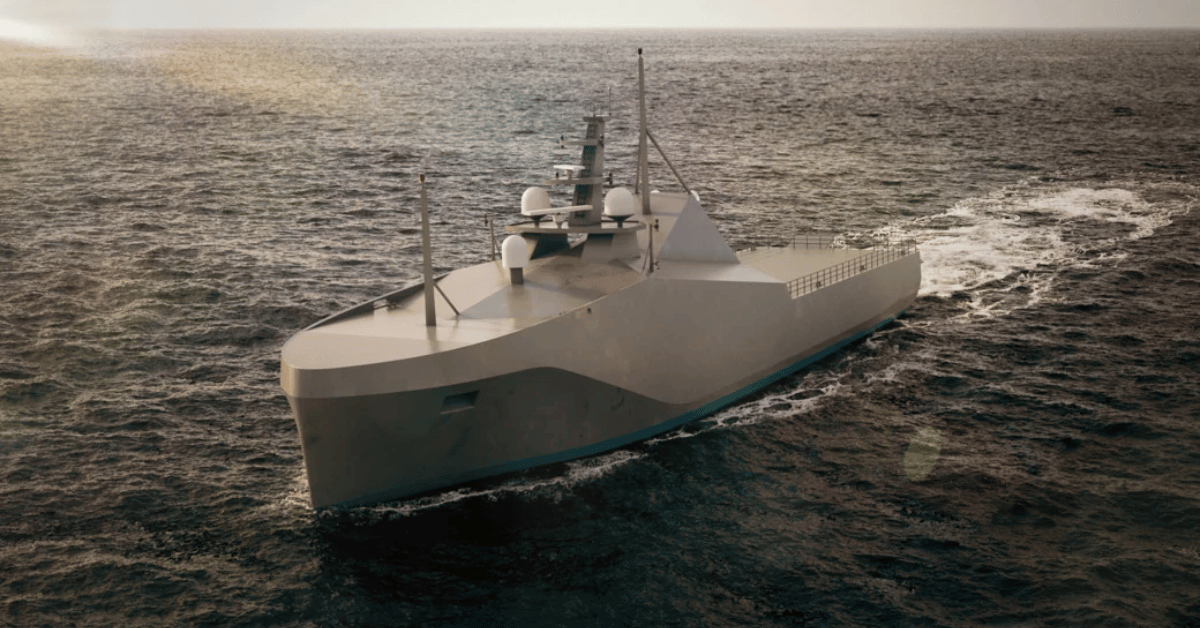
Arctic Hunter uncrewed vessel proposed for Royal Navy anti-submarine operations
Kongsberg Maritime's Arctic Hunter, an uncrewed vessel proposed for the Royal Navy's Type 92 anti-submarine requirement, brings measurable, real-time ocean intelligence to one of naval warfare's most demanding missions. This is not about replacing crews; it's about extending the reach of validated, integrated sensing into waters too dangerous or remote for manned operations. For context on how navies are pushing uncrewed capabilities, our coverage of the Royal Navy's Nyan Strike Drone test from HMS Queen Elizabeth offers a parallel thread.
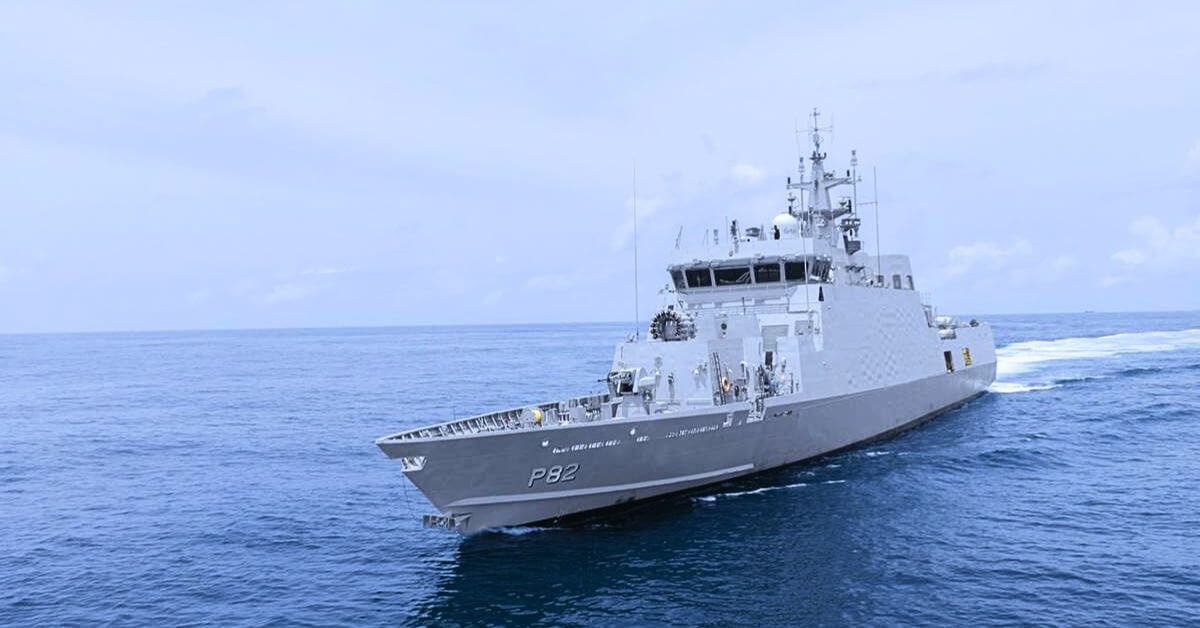
INS Mangrol joins India's shallow-water fleet with 80% indigenous design
INS Mangrol enters service as a warship built for the shallows, 80 percent indigenous design, purpose-calibrated for waters where larger vessels cannot operate. This is not merely a vessel addition; it is a measurable step toward self-reliant coastal defence. India's naval strategy increasingly demands integrated, real-time capabilities in near-shore environments. For deeper context on India's expanding maritime reach, read our coverage of the new support ship Surya.
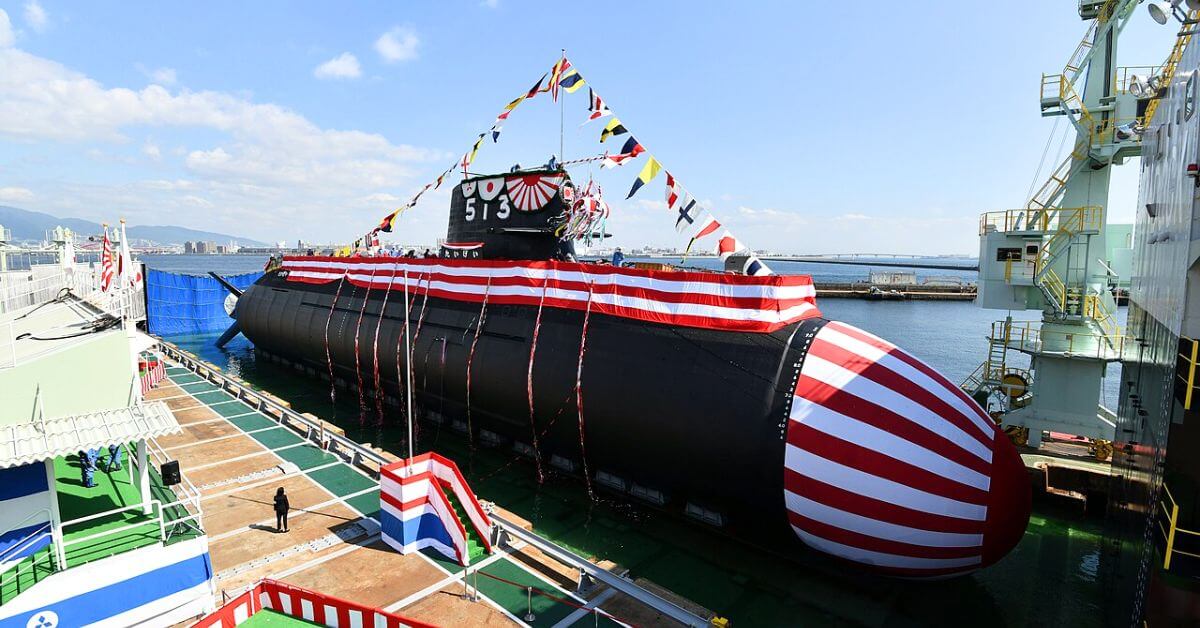
Japan's Seventh Taigei Submarine Advances Undersea Monitoring Capabilities
Japan's seventh Taigei-class submarine, a 3,000-tonne diesel-electric vessel, is set for delivery to the JMSDF in March 2028, advancing undersea monitoring capabilities. This platform represents a calibrated step in integrated maritime data collection, reinforcing the importance of validated, real-time ocean intelligence for security and climate observation. For deeper context, see our coverage of the keel-laying for the second U212NFS submarine, which similarly advances naval ocean intelligence. Understanding drives protection, from the seafloor to the surface.