Strait of Malacca
5 stories filed under Strait of Malacca on World Data Ocean. The newest of them: “Malaysia restricts tanker traffic and bunkering in new Strait marine protected zone”, “Massive marine pile-driver heads to Brazil for critical bridge foundations”, and “Arctic Passage Time Cut: Container Ship Charts New Route.”. Malaysia has taken a measured but decisive step in its newest marine protected zone, restricting tanker traffic and bunkering while imposing speed limits on all vessels. The world's largest pile-driving vessel has departed China for Brazil, where it will anchor the foundations of the Salvador-Itaparica Bridge. A Global Hub for Ocean Intelligence 4 World Data Ocean is a centralized digital platform where researchers, scientists, and ocean enthusiasts converge to… The list below is every Strait of Malacca story on World Data Ocean, newest first.
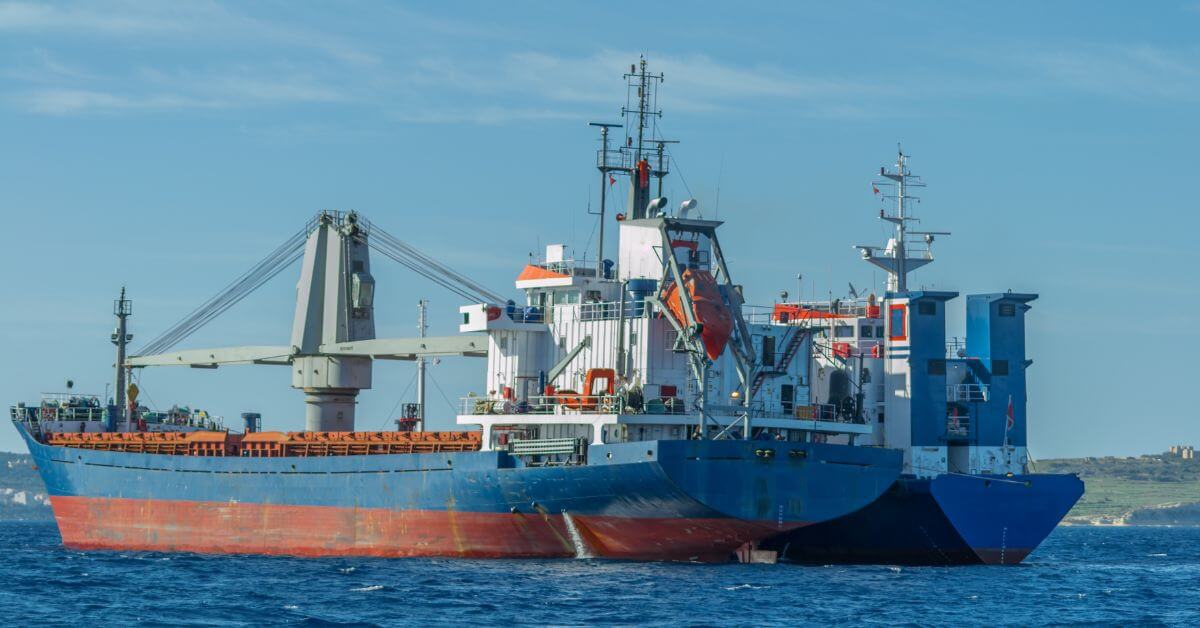
Malaysia restricts tanker traffic and bunkering in new Strait marine protected zone
Malaysia has taken a measured but decisive step in its newest marine protected zone, restricting tanker traffic and bunkering while imposing speed limits on all vessels. Large cargo ships and oil tankers are now forbidden from entering the Strait. This is a calibrated move to protect critical marine habitat without shutting down commerce entirely. For those tracking how citizen science can inform ocean policy, our piece on identifying an unidentified marine object from citizen observations in Tarifa offers a parallel example of community-driven data collection.
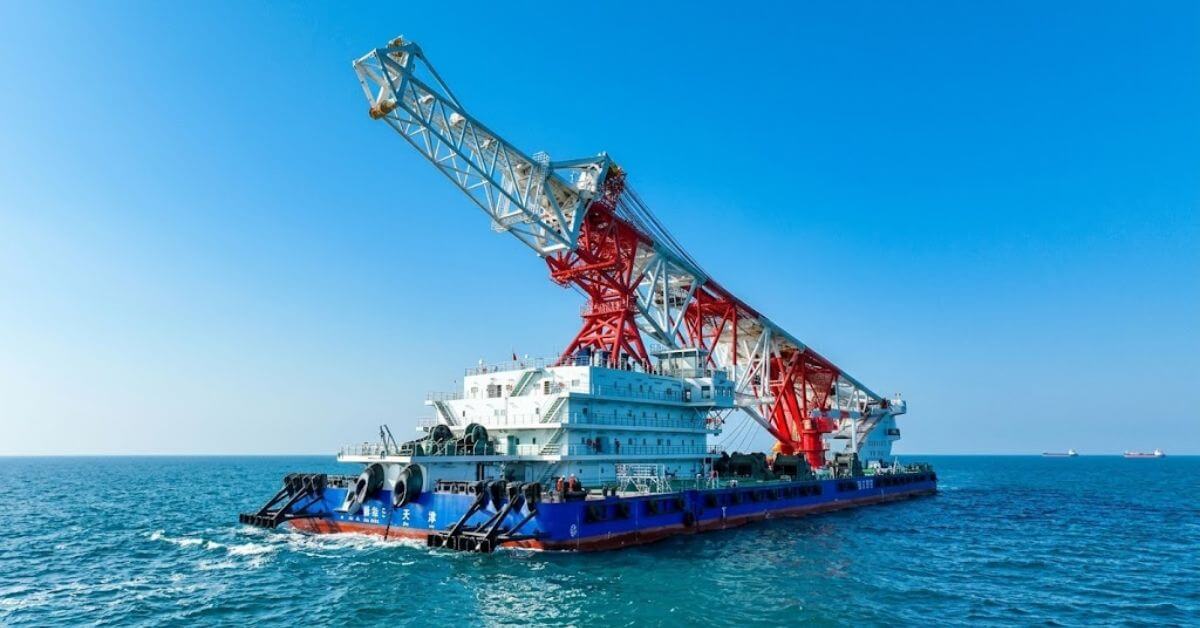
Massive marine pile-driver heads to Brazil for critical bridge foundations
The world's largest pile-driving vessel has departed China for Brazil, where it will anchor the foundations of the Salvador-Itaparica Bridge. This is engineering at a measurable scale, calibrated to build, not just to move. Such infrastructure demands integrated data ecosystems to validate safety and environmental impact. For deeper context on marine risks, see our analysis of wave-forecast gaps in "Data Gaps Threaten Vessels as Wave Conditions Go Unforecast." Understanding drives protection, from ocean floor to bridge deck.
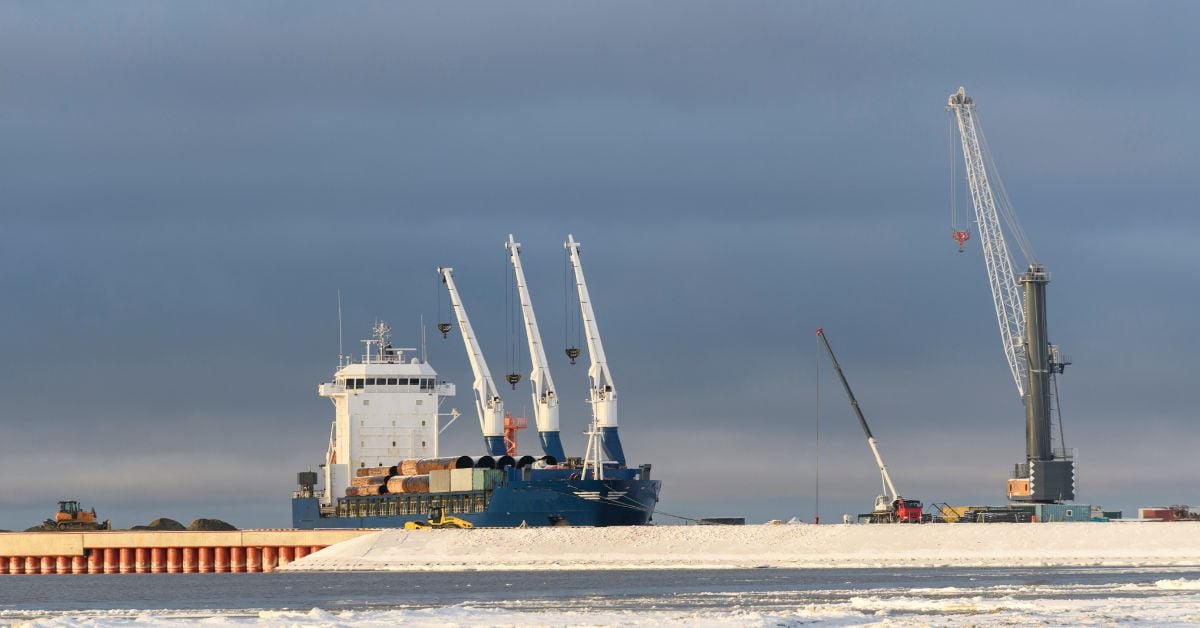
Arctic Passage Time Cut: Container Ship Charts New Route.
A Chinese container vessel has completed the Northern Sea Route in just 25 days, validating the Arctic's potential as a viable commercial passage. This is not an experiment; it is a measurable step in global shipping's realignment. The voyage demonstrates how climate indicators and integrated data ecosystems are reshaping trade logistics. For deeper context on shifting maritime corridors, see our coverage of "Russia Calibrates Export Revenue for Northern Sea Route Icebreaker Fleet." Understanding these routes drives smarter stewardship of our ocean intelligence.
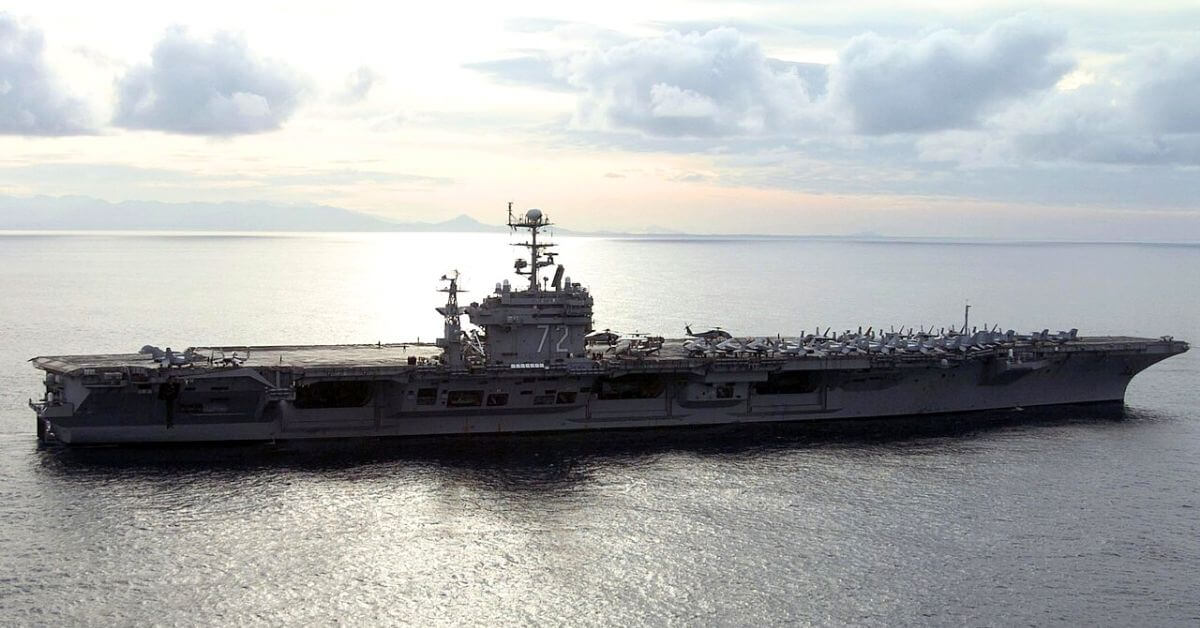
Longitudinal Deployment: Abraham Lincoln Carrier Completes 250+ Days at Sea
Two hundred fifty days. The Abraham Lincoln's extended deployment is a measured statement on readiness, not a boast. Spending nearly seven months in the U.S. Central Command area without a port call tests every system and every crew member. This endurance matters. It reflects a calculated projection of force where it is needed most, supporting stability in critical waters. As the Navy pushes for faster integration of unmanned systems, the Lincoln's tour proves the human and material backbone remains resilient.

Military Action Intensifies for Dawei Port Project in Myanmar
Myanmar's military has escalated its campaign to secure land for the Dawei Port project, signaling a firm resolve to reclaim territory through force. This offensive marks the clearest indication yet that the government will not shy from confrontation to advance the initiative. The stakes are high, and the implications for regional stability are significant. For broader context on how state-backed maritime projects intersect with security pressures, our piece on Russia's Northern Sea Route icebreaker fleet offers a parallel view of geopolitical maneuvering.