space exploration
5 stories filed under space exploration on World Data Ocean. The newest of them: “Lunar Exploration: Assessing Microbial Risks with Artemis IV”, “Ocean Stewardship: A Foundation for Long-Term Human Survival”, and “Farside Moon Rocks Reveal a More Complex Early Bombardment History”. Fifty years after the last bootprint, Artemis IV returns humans to the lunar surface, and NASA is already asking what we might be bringing with us. The deep ocean has already passed the multi-hundred-million-year test, and that is where our focus belongs. A Global Hub for Ocean Intelligence 4 World Data Ocean is a centralized digital platform where researchers, scientists, and ocean enthusiasts converge to… The list below is every space exploration story on World Data Ocean, newest first.
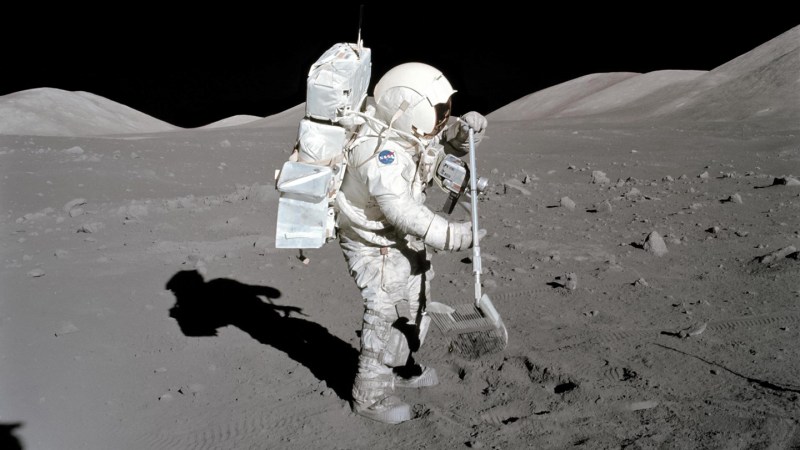
Lunar Exploration: Assessing Microbial Risks with Artemis IV
Fifty years after the last bootprint, Artemis IV returns humans to the lunar surface, and NASA is already asking what we might be bringing with us. New research identifies the hardy microbes hitching a ride on our spacecraft, turning a question of planetary protection into a matter of empirical precision. This isn't just about keeping the moon pristine; it's about understanding our own biological footprint. For those tracking how life endures in extreme conditions, our related piece on fossilized dinosaur traits offers a fascinating parallel.
Ocean Stewardship: A Foundation for Long-Term Human Survival
The deep ocean has already passed the multi-hundred-million-year test, and that is where our focus belongs. Land and space remain fragile, unproven options, while the ocean's stability has quietly outlasted every extinction event. The argument here is not about escape, but about learning to live within a system that has proven its resilience. We should treat the ocean as our primary environment, not a backup plan.
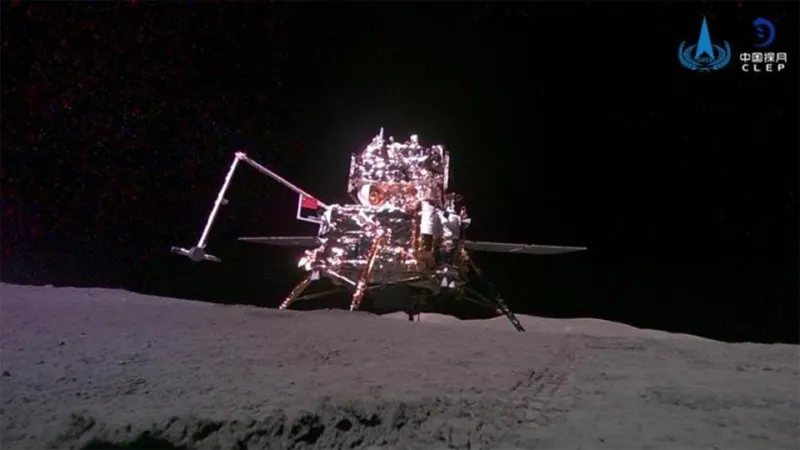
Farside Moon Rocks Reveal a More Complex Early Bombardment History
New lunar samples from the far side are complicating the Moon's impact story. Earlier rocks, including Apollo's, appear heavily shaped by a single event. These farside specimens suggest a more layered bombardment history than we modeled. That matters: if our timeline is off, so are broader planetary assumptions. For readers tracking how we read deep-space records, the recent exoplanet ocean debate offers a parallel. Both remind us that one dataset rarely closes a question.
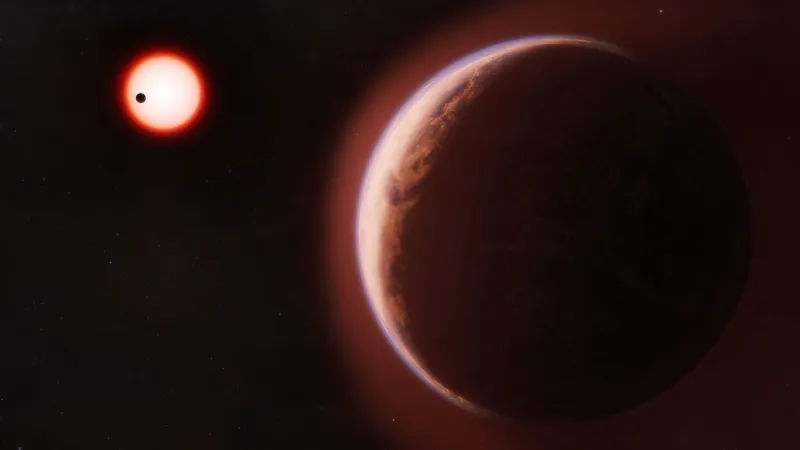
Helium Atmosphere Hints at Potential for Life on Rocky Exoplanet
A helium atmosphere on a rocky exoplanet is a rare and telling signal. Astronomers detected this tenuous envelope around a world beyond our solar system, and while it is not direct evidence of biology, it sharpens the search for life where it matters most. The finding validates our ability to probe distant atmospheres with increasing precision.
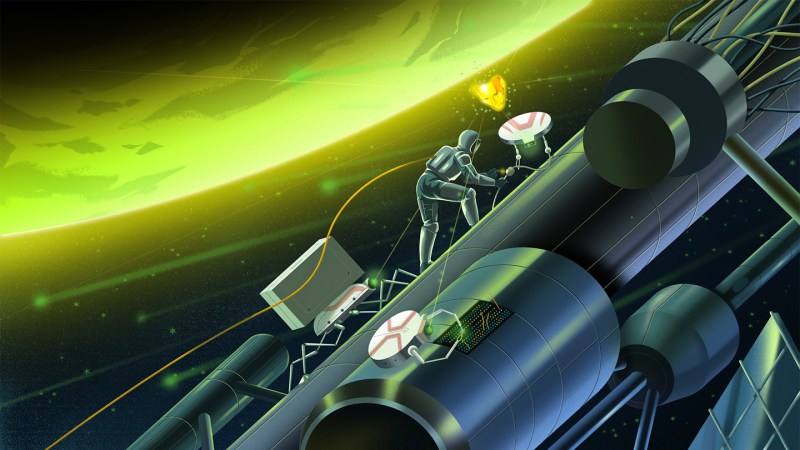
AI Space Navigation: Current Limitations Demand Human Oversight.
In science fiction, AI navigates the unknown and keeps travelers safe. In reality, it cannot yet be trusted to do so alone. Current limitations in machine reasoning demand human oversight for complex space navigation. This is not a failure; it is a calibration of roles. As our related coverage on the Navy's autonomous systems integration shows, measured human control remains central to operational success. Understanding these boundaries drives both safety and progress.