Saudi Aramco
6 stories filed under Saudi Aramco on World Data Ocean. The newest of them: “Projectile Strike at Yanbu Port Disrupts Tanker Operations”, “Red Sea crude flows rise as Strait of Hormuz disruptions reshape global routes”, and “Gulf of Oman STS Transfers Max Out Amid Rising Saudi Oil Exports”. An unidentified projectile struck inside Saudi Arabia's Yanbu port on October 1, igniting a fire that disrupted tanker operations. Crude loadings at Yanbu have held at roughly 2 million barrels per day since last week, according to trade estimates. A Global Hub for Ocean Intelligence 4 World Data Ocean is a centralized digital platform where researchers, scientists, and ocean enthusiasts converge to… The list below is every Saudi Aramco story on World Data Ocean, newest first.
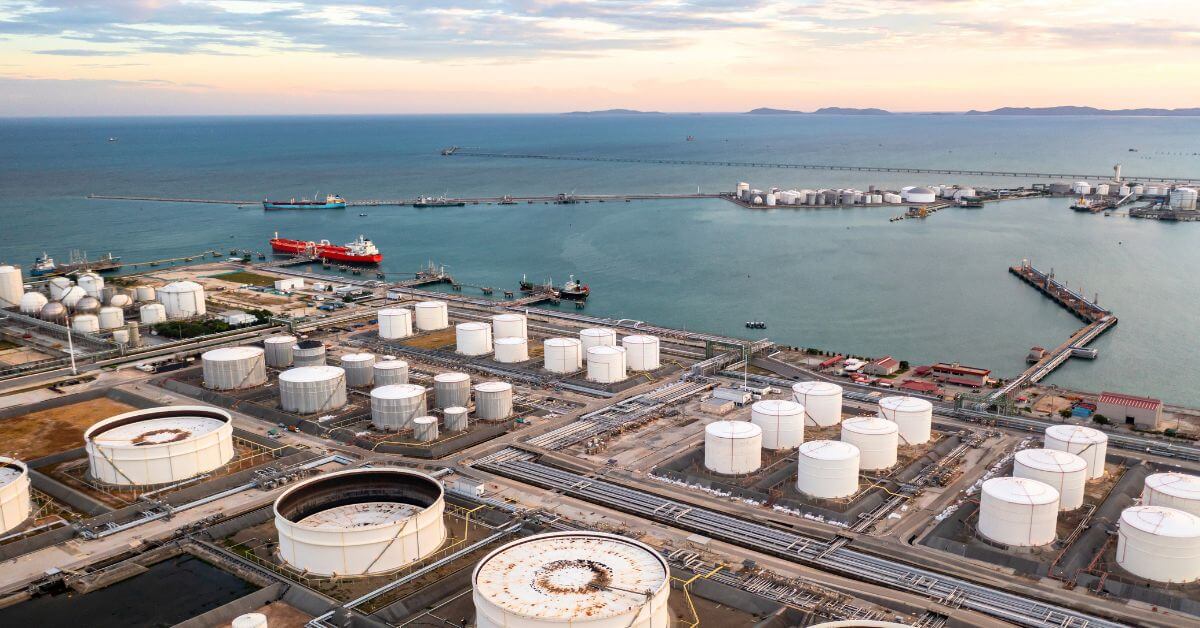
Projectile Strike at Yanbu Port Disrupts Tanker Operations
An unidentified projectile struck inside Saudi Arabia's Yanbu port on October 1, igniting a fire that disrupted tanker operations. This incident underscores the fragility of critical maritime infrastructure in a region already under strain. Measurable disruptions like this demand calibrated, real-time monitoring to protect global energy flows. For deeper context on how such risks reshape supply chains, see our coverage of refiners chartering tankers through Hormuz to secure India's oil supply. Understanding these threats drives smarter protection.
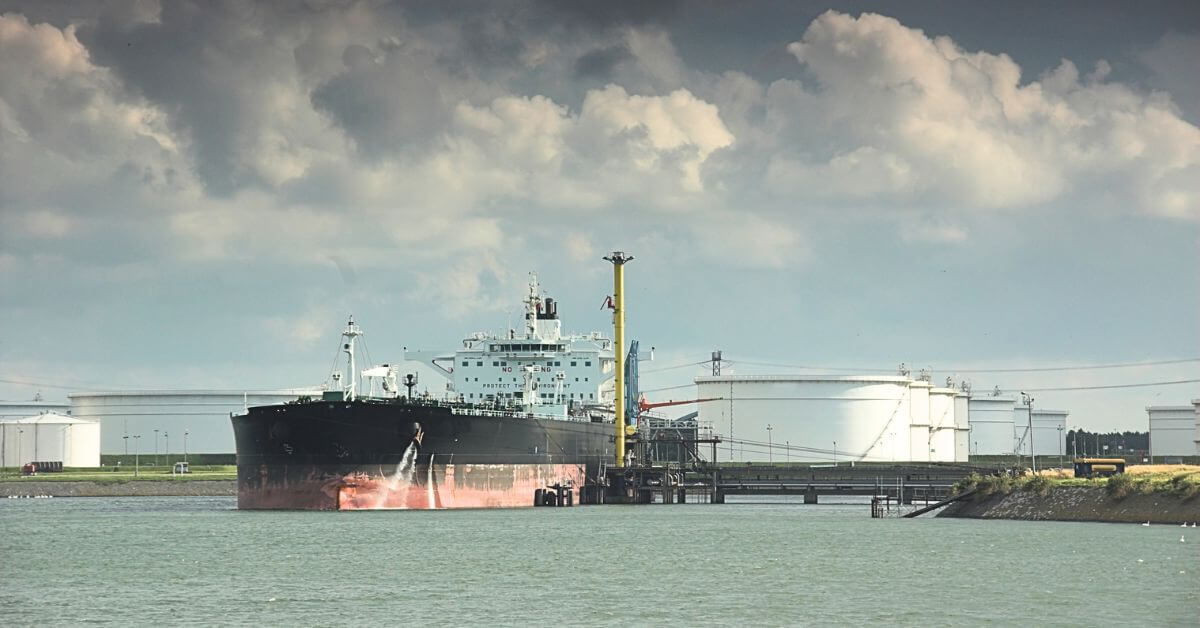
Red Sea crude flows rise as Strait of Hormuz disruptions reshape global routes
Crude loadings at Yanbu have held at roughly 2 million barrels per day since last week, according to trade estimates. This surge in Red Sea flows signals a tangible recalibration of global routes as Strait of Hormuz disruptions force new calculations. The shift is measurable and consequential for energy security. For deeper context on maritime risk, see our coverage of the vessel struck by an unknown projectile in the Strait of Hormuz. Understanding these patterns is essential, because where oil moves, ocean intelligence follows.
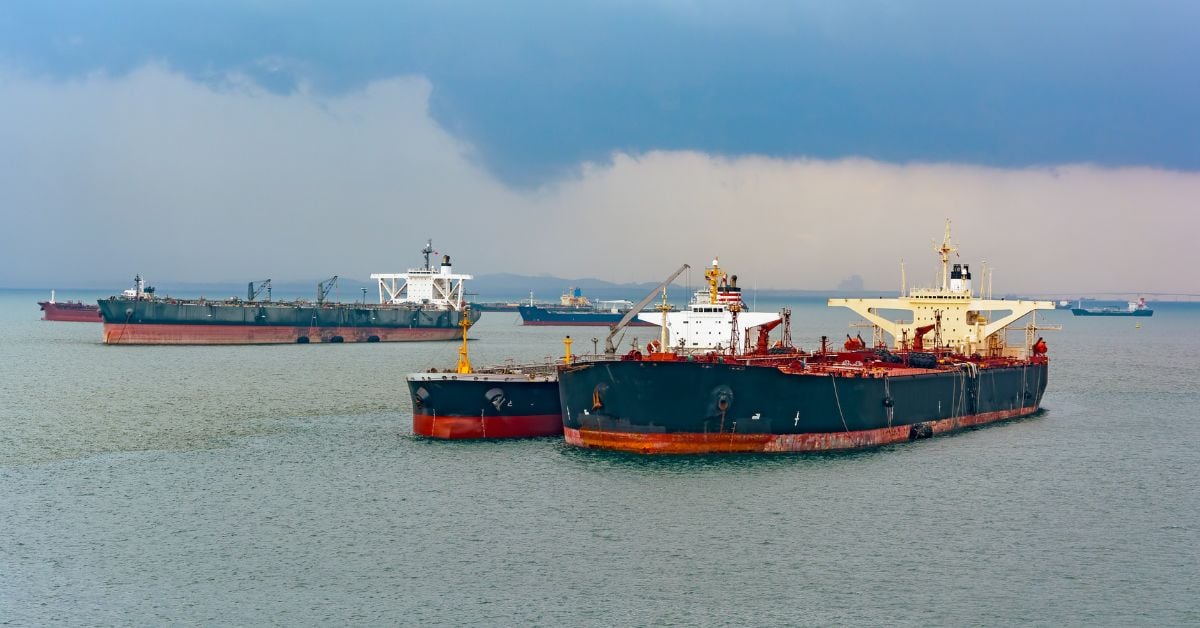
Gulf of Oman STS Transfers Max Out Amid Rising Saudi Oil Exports
Ship-to-ship transfers in the Gulf of Oman have reached maximum capacity, with traders and analysts pointing to surging Saudi crude exports as the driving force. This operational ceiling underscores how swiftly regional logistics can tighten when cargo volumes climb. The strain is a measurable signal of shifting energy flows, one that demands calibrated attention from those tracking maritime trade. For context on broader infrastructure pressures, our piece on integrated subsea systems in the Indian Ocean offers a useful parallel.

Safer Red Sea Route Calibrates Oil Exports Amid Geopolitical Shifts
Shipowners are rerouting Saudi crude through the safer northern Red Sea corridor, a calibrated response to persistent Houthi threats that recalibrates export flows without disrupting global supply. The move reflects pragmatic maritime adaptation, not alarm. It is a measured shift, one that keeps oil moving while reducing risk to tankers and crews. For context on how regional pressures are reshaping tanker operations, our related piece on Gulf of Oman STS transfers maxing out offers a useful counterpoint.

Hormuz Tanker Traffic Declines, Signaling Potential Maritime Shifts
A single tanker crossed the Strait of Hormuz on July 23, down from three the prior day, according to Kpler. That decline is measurable, and it warrants attention. We track maritime flows because they carry signals. Whether this reflects routine scheduling or something more deliberate remains unclear, but the data is clear. For context on regional pressure points, our coverage of Gulf of Oman STS transfers highlights how export routes are already maxing out.

Yemen's Houthis Impose Naval Blockade, Threaten Shipping to Saudi Ports
At 1201 GMT Monday, the Houthis' naval blockade against Saudi Arabia took effect, a direct challenge to shipping lanes that sustain regional trade. This is not posturing; it is a calculated disruption with immediate consequences for vessels bound for Saudi ports. The move escalates tensions in a waterway already strained by heightened oil flows, as our coverage of Gulf of Oman STS transfers maxing out illustrates. Measured, empirical monitoring of these chokepoints remains essential.