refueling
refueling at World Data Ocean is a file of 4 stories. The newest of them: “Remote Command Over 2,100 Miles Validates Carrier-Based Drone Integration”, “Autonomous Refueling Extends Ocean Drone Mission Capabilities.”, and “Interdicted Vessel Disrupts Drug Trafficking in the Eastern Pacific.”. A U.S. In just seven months, a robotic system refueled a drone boat at sea, sparing it a return to port. A Global Hub for Ocean Intelligence 4 World Data Ocean is a centralized digital platform where researchers, scientists, and ocean enthusiasts converge to… The list below is every refueling story on World Data Ocean, newest first.
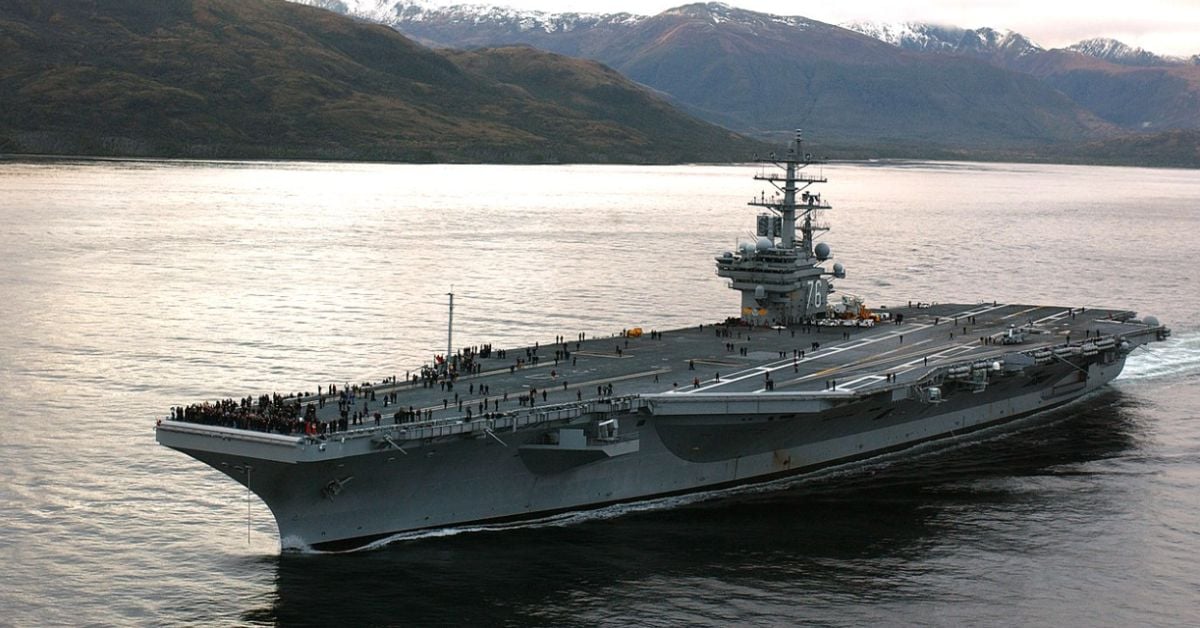
Remote Command Over 2,100 Miles Validates Carrier-Based Drone Integration
A U.S. Navy team connected to and controlled an MQ-25A Stingray from the carrier USS Ronald Reagan, sailing more than 2,100 miles away. This remote command over open ocean validates carrier-based drone integration with empirical precision. It is not a laboratory test; it is calibrated, real-world readiness. For deeper context on how such naval capabilities intersect with regional security, see our coverage of monitoring naval activity in the South China Sea.
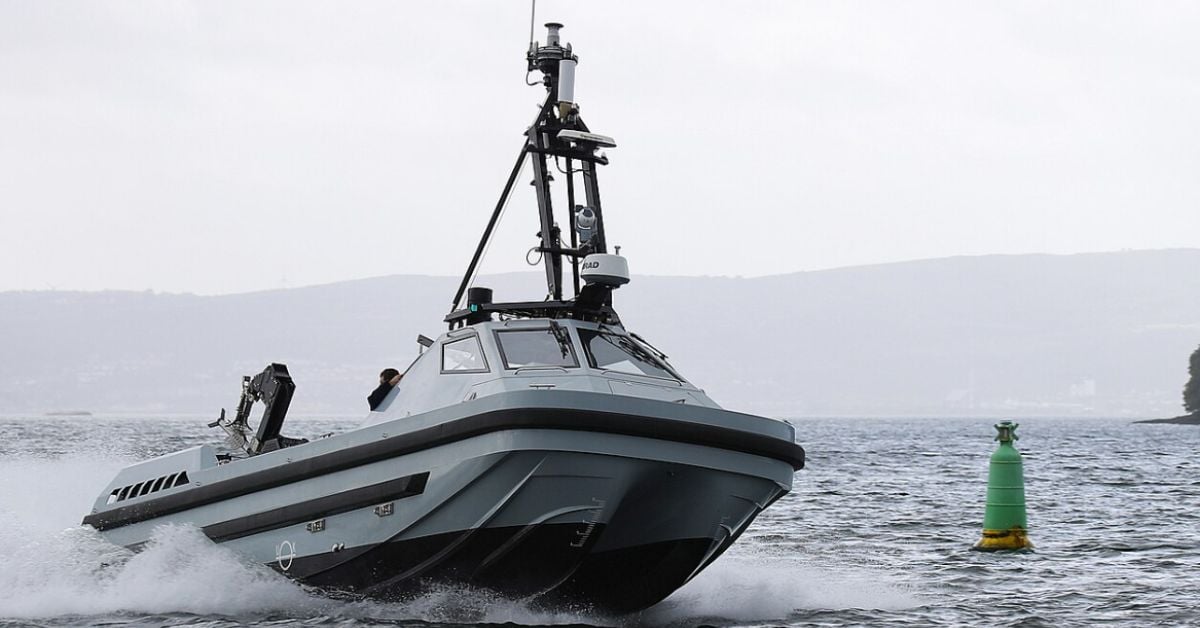
Autonomous Refueling Extends Ocean Drone Mission Capabilities.
In just seven months, a robotic system refueled a drone boat at sea, sparing it a return to port. That speed matters. Extending mission range without shore-side stops is the kind of incremental progress that turns autonomous systems from experimental tools into practical assets. It is a measured step, but a telling one. For deeper context on how the Navy is folding such capabilities into broader operations, our related coverage in "Navy Accelerates Autonomous Systems Integration for Enhanced Maritime Operations" offers useful grounding.
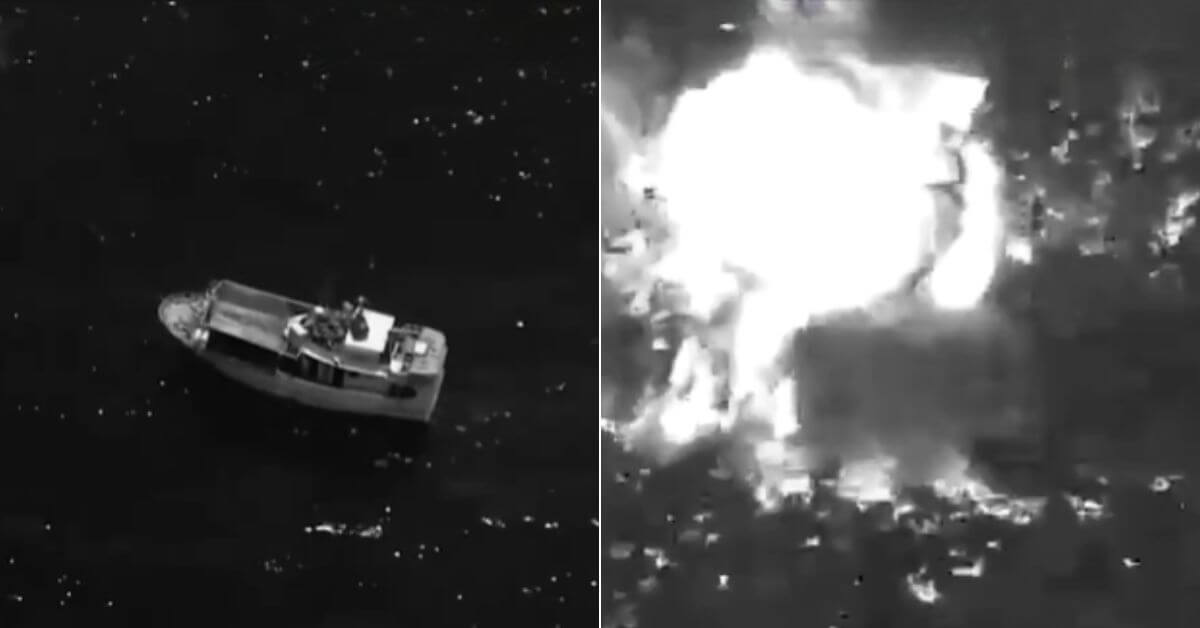
Interdicted Vessel Disrupts Drug Trafficking in the Eastern Pacific.
On Sept. 2, a U.S. Southern Command interdiction in international waters disrupted drug trafficking in the Eastern Pacific, a decisive action in a region where illicit networks often outpace surveillance. This is not merely an enforcement win; it is a measurable step toward safeguarding ocean intelligence, where security and scientific stewardship converge. The operation underscores how validated, real-time coordination can disrupt unlawful activity while reinforcing the broader mission of ocean health.

Validated Safety Review Confirms Floating Nuclear Plant’s Polar Utility
A validated safety review now confirms what polar infrastructure specialists have long argued: the world's only floating nuclear plant can serve as a reliable utility in the Arctic. Supplying both electricity and heating to isolated communities, the vessel offers a measurable, peer-reviewed path toward energy resilience where grids do not exist. This is not speculative ambition; it is calibrated, empirical evidence. For broader context on Arctic logistics, readers may also consult our coverage of Russia's Northern Sea Route icebreaker financing.