recovery
recovery at World Data Ocean is a file of 7 stories. The newest of them: “Tracking a Decade of Coral Health at the Cayman Crown Reef”, “A career of data reveals our collective failure to safeguard coral reefs”, and “Contact between genetically identical corals enables recovery from severe bleaching”. For nearly a decade, the Cayman Crown reef system has been a rare beacon of resilience, with live coral cover among the highest recorded in the Mesoamerican Reef. A career of data reveals our collective failure to safeguard coral reefs, particularly in the Western Atlantic. A Global Hub for Ocean Intelligence 4 World Data Ocean is a centralized digital platform where researchers, scientists, and ocean enthusiasts converge to… The list below is every recovery story on World Data Ocean, newest first.

Tracking a Decade of Coral Health at the Cayman Crown Reef
For nearly a decade, the Cayman Crown reef system has been a rare beacon of resilience, with live coral cover among the highest recorded in the Mesoamerican Reef. But three successive bleaching events from 2016 to 2025 have tested that strength. After the 2019 event, corals recovered almost completely. The consecutive bleaching of 2023-2025 was different: measurable colony mortality and persistent stress. Even offshore refuges have limits. This is an empirical warning, measured in degrees and depth.
A career of data reveals our collective failure to safeguard coral reefs
A career of data reveals our collective failure to safeguard coral reefs, particularly in the Western Atlantic. After decades of management, the conclusion is troubling: we did not control the stressors driven by human development, and reefs paid the price. An apology to a granddaughter is an honest admission that a dream career left her generation less. Yet recovery remains possible when we apply what we've learned, reduce stressors, and protect the few reefs still thriving.
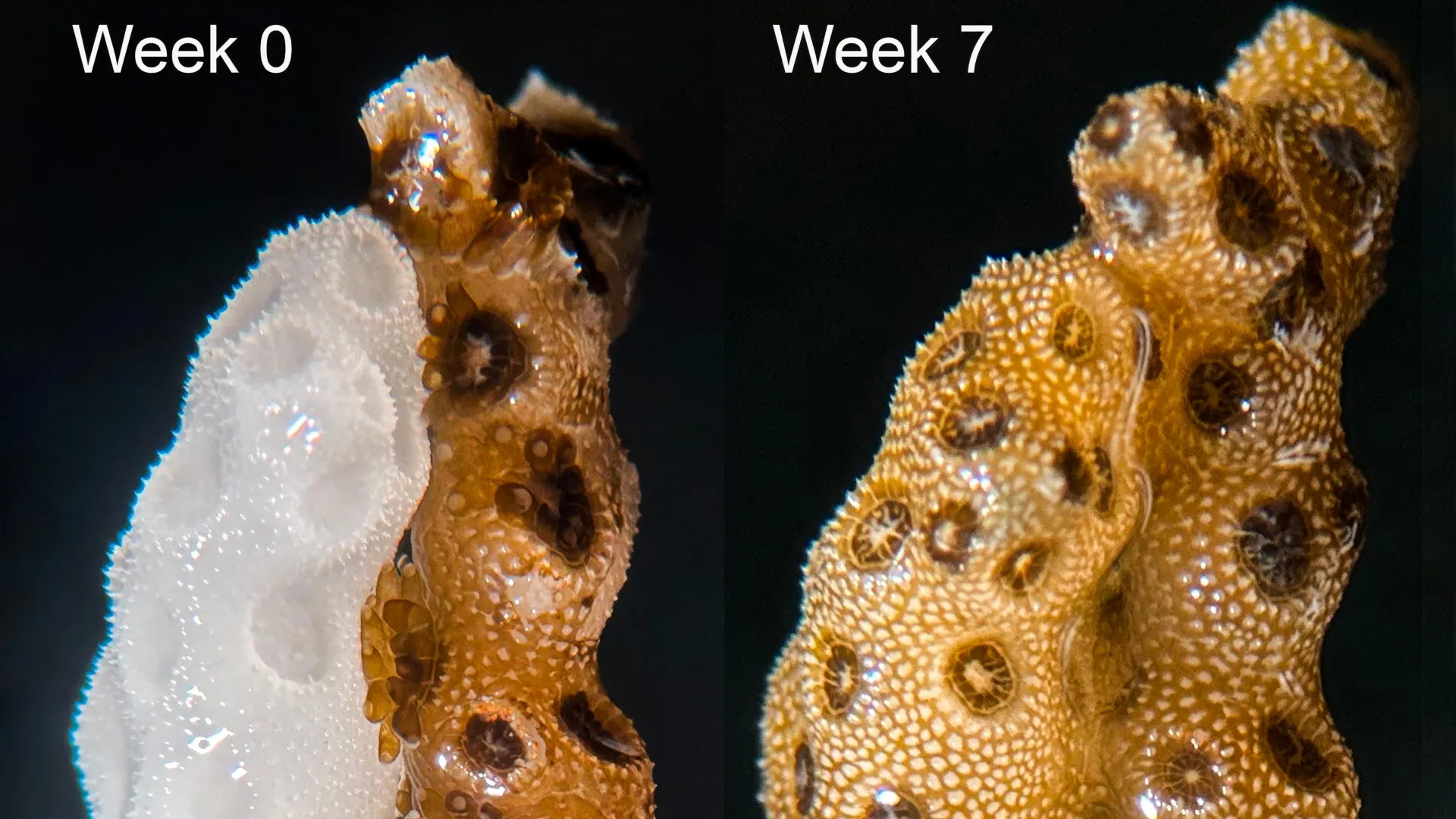
Contact between genetically identical corals enables recovery from severe bleaching
Severely bleached corals can recover by simply touching healthy, genetically identical corals. In laboratory experiments, dying colonies regained their full color within seven weeks, with as little as five days of contact triggering the healing process. This is a measurable, validated pathway to resilience, one that reframes recovery as an integrated, social process. The finding pairs well with our coverage of Western Atlantic corals facing rising heat, offering a concrete mechanism for hope amid climate stress.
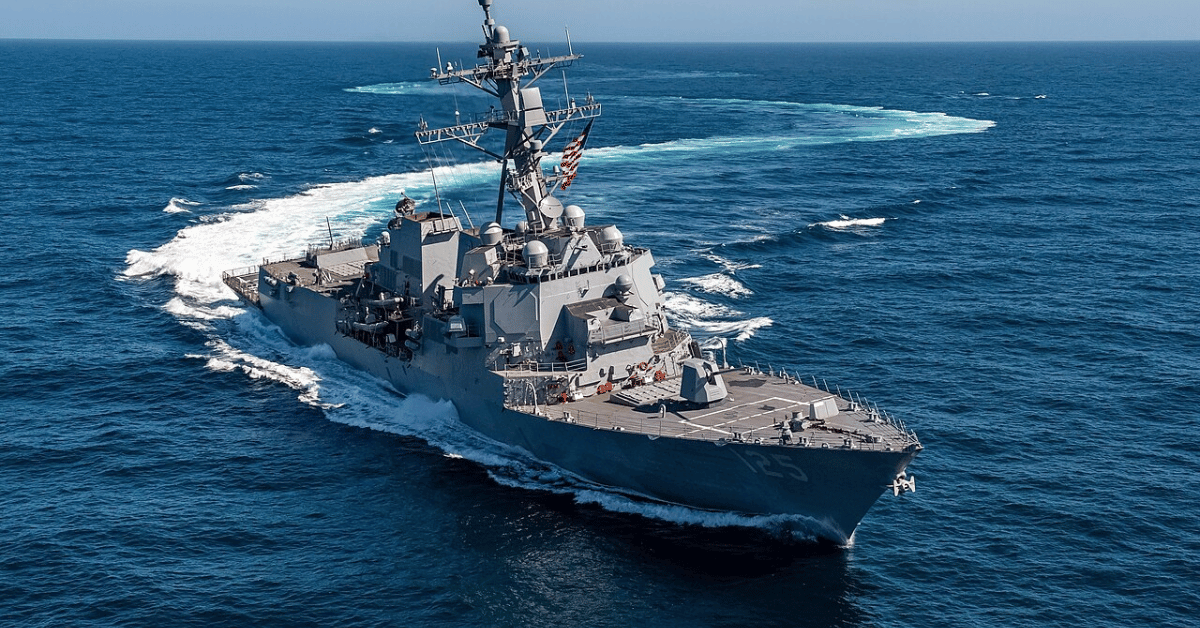
Autonomous drone navigation validates precision landing without GPS or radar
Precision landing without GPS or radar is no longer theoretical. The US Navy has validated autonomous drone navigation that uses onboard cameras and advanced software to land on moving ships. This is calibrated, real-time ocean intelligence in action. For context on why such precision matters in contested waters, read our coverage of the recent Strait of Hormuz posture analysis. Understanding drives protection, and this capability strengthens maritime security without relying on vulnerable satellite signals.
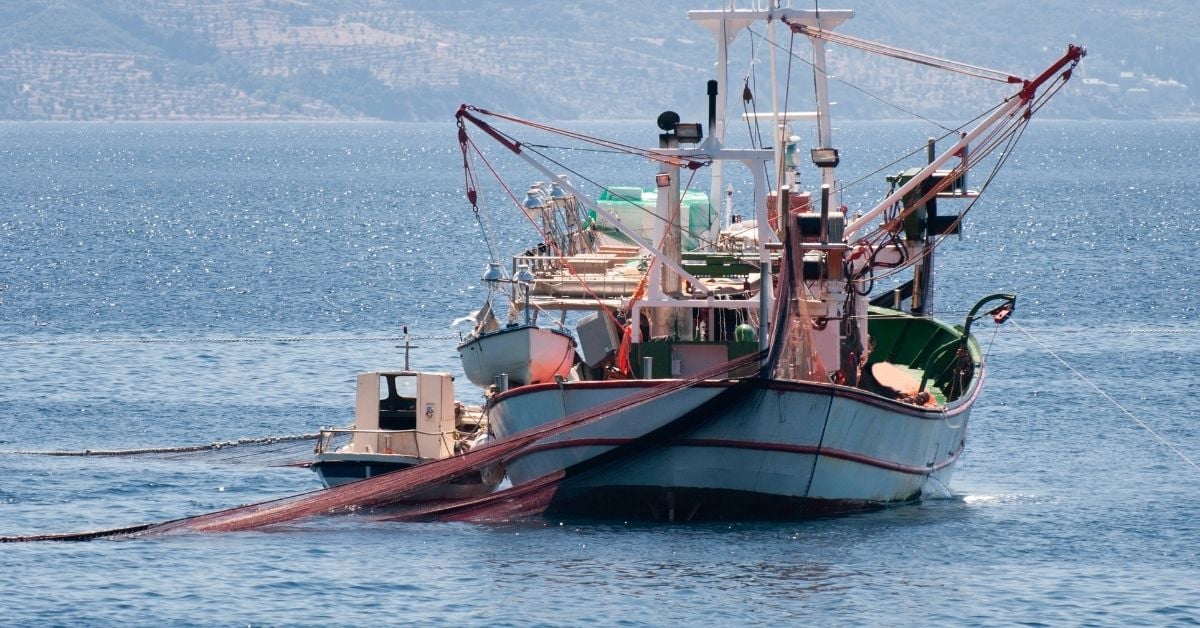
Russian Fishing Vessel Partially Sinks at Montevideo Port
A Russian-flagged fishing vessel partially sank while berthed at Uruguay's Port of Montevideo after losing stability, a reminder that maritime risks persist even in protected harbors. The incident underscores how quickly operational stability can unravel, though the crew's status remains unconfirmed. Such events invite scrutiny of port-side protocols and vessel condition, especially as our coverage of the *Bulk Carrier Freed After Prolonged Grounding Near Gladstone* shows similar challenges elsewhere.

Extended Deployment: Abraham Lincoln Carrier Highlights Naval Endurance at Sea
The Abraham Lincoln's extended deployment underscores the US Navy's capacity for endurance when strategic demands require it. While six to nine months is the standard, conflict-driven extensions are a calculated reality, not a failure of planning. This is maritime persistence measured in readiness, not rhetoric. For broader context on regional pressure points, our related piece on Gulf of Oman STS transfers outlines how operational tempo shifts elsewhere. The carrier's longevity at sea remains a practical demonstration of sustained naval power.
Sixteen Years Later: Measuring Recovery and Water Quality in the Gulf
Sixteen years after the Deepwater Horizon oil spill, the Gulf of Mexico remains a living laboratory for recovery, and for questions that still demand answers. For those who stayed away, the urge to return is now paired with a need to understand: Is the water safe, and how has it truly changed? Water quality along Alabama's coast has largely rebounded, but the long-term fate of the oil and the chemical dispersants used to break it up remains a complex, ongoing story.