prototype
prototype at World Data Ocean is a file of 3 stories. The newest of them: “A €95M semi-autonomous vessel launches to safeguard Baltic Sea cables”, “A 600-ton unmanned warship signals a new era in ocean intelligence”, and “Four-legged robot scales ship hulls to perform precision welding at sea”. A 45-metre, semi-autonomous vessel that can sail with or without crew has launched in Estonia, tasked with hunting mines and guarding critical Baltic Sea cables. A 600-ton unmanned warship has entered the water at HD Hyundai's Ulsan shipyard, signaling a new era in ocean intelligence. A Global Hub for Ocean Intelligence 4 World Data Ocean is a centralized digital platform where researchers, scientists, and ocean enthusiasts converge to… The list below is every prototype story on World Data Ocean, newest first.
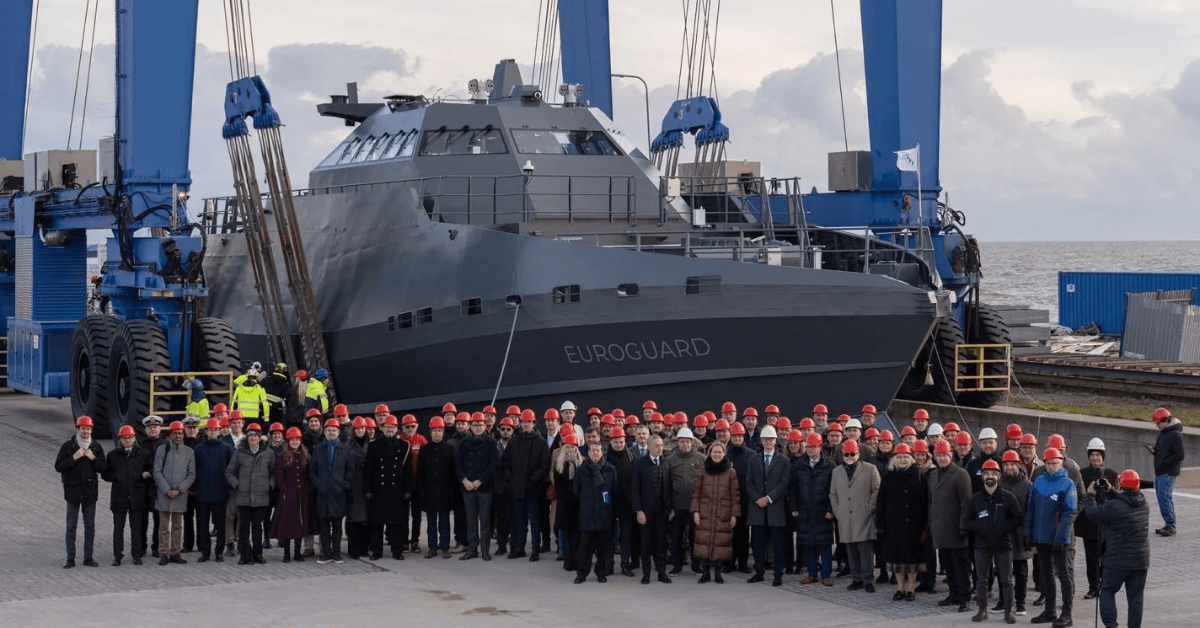
A €95M semi-autonomous vessel launches to safeguard Baltic Sea cables
A 45-metre, semi-autonomous vessel that can sail with or without crew has launched in Estonia, tasked with hunting mines and guarding critical Baltic Sea cables. The €95M EUROGUARD prototype, funded by the EU, represents a measured but decisive step in protecting undersea infrastructure. Validated, real-time ocean intelligence is no longer aspirational, it is operational. For deeper coverage of maritime security threats, see our related story on the sea drone strike that capsized a Russian Navy corvette in Benghazi.
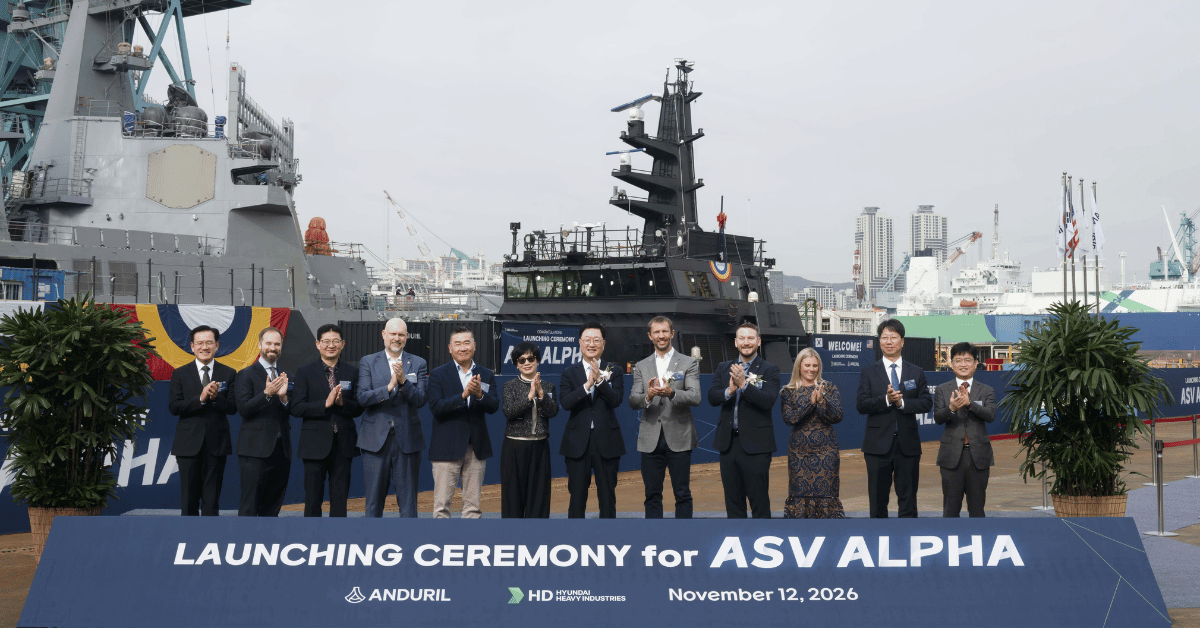
A 600-ton unmanned warship signals a new era in ocean intelligence
A 600-ton unmanned warship has entered the water at HD Hyundai's Ulsan shipyard, signaling a new era in ocean intelligence. This crewless vessel, developed with Anduril Industries, targets the U.S. Navy's unmanned market. It represents a calibrated step toward measurable, integrated maritime capability. For deeper context on how unmanned systems are reshaping allied operations, see our coverage of "Unmanned surface vessels join Philippine fleet for integrated ocean monitoring."
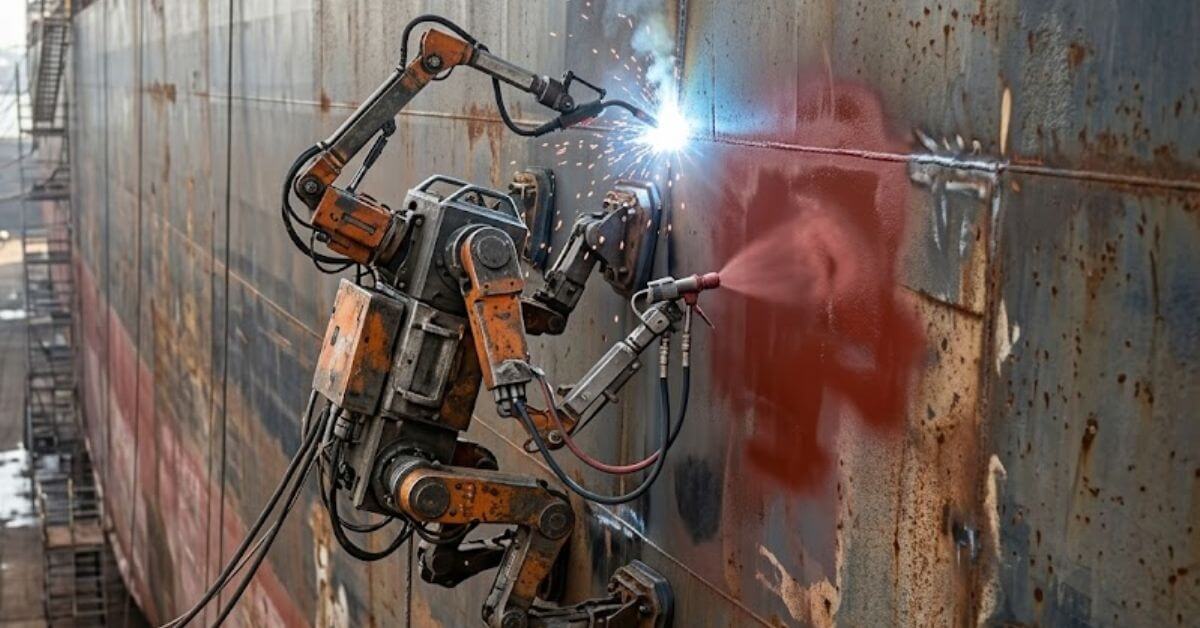
Four-legged robot scales ship hulls to perform precision welding at sea
A four-legged robot now climbs ship hulls to perform precision welding at sea, a feat Kawasaki Heavy Industries has made real. This is not a concept; it is a validated, real-time application of robotics in one of the most demanding industrial environments. The work is empirical, measurable, and it changes how we approach vessel maintenance. For context on where the maritime industry is investing, see our coverage of the new $6.6 billion Maryland shipyard.