pipelines
pipelines at World Data Ocean is a file of 6 stories. The newest of them: “Iranian Forces Recover Advanced U.S. Unmanned Submarine in Hormuz.”, “Geopolitical Shifts: Strait of Hormuz Renaming Proposal Sparks Debate”, and “Bolstering Black Sea Security: Bulgaria Acquires Minehunters for Maritime Protection”. Iranian forces have recovered an advanced U.S. A proposal to rename the Strait of Hormuz has injected geopolitical friction into one of the world's most vital maritime chokepoints. A Global Hub for Ocean Intelligence 4 World Data Ocean is a centralized digital platform where researchers, scientists, and ocean enthusiasts converge to… The list below is every pipelines story on World Data Ocean, newest first.

Iranian Forces Recover Advanced U.S. Unmanned Submarine in Hormuz.
Iranian forces have recovered an advanced U.S. unmanned submarine in the Strait of Hormuz, claiming the drone was added to the American fleet in 2025. The IRGC released video footage it says shows the craft. This incident unfolds against a backdrop of heightened maritime tension. For broader context on regional shipping pressures, our coverage of "Phased Negotiations Aim to Ease Restrictions on Strait of Hormuz" examines diplomatic efforts to restore navigation through this critical chokepoint.
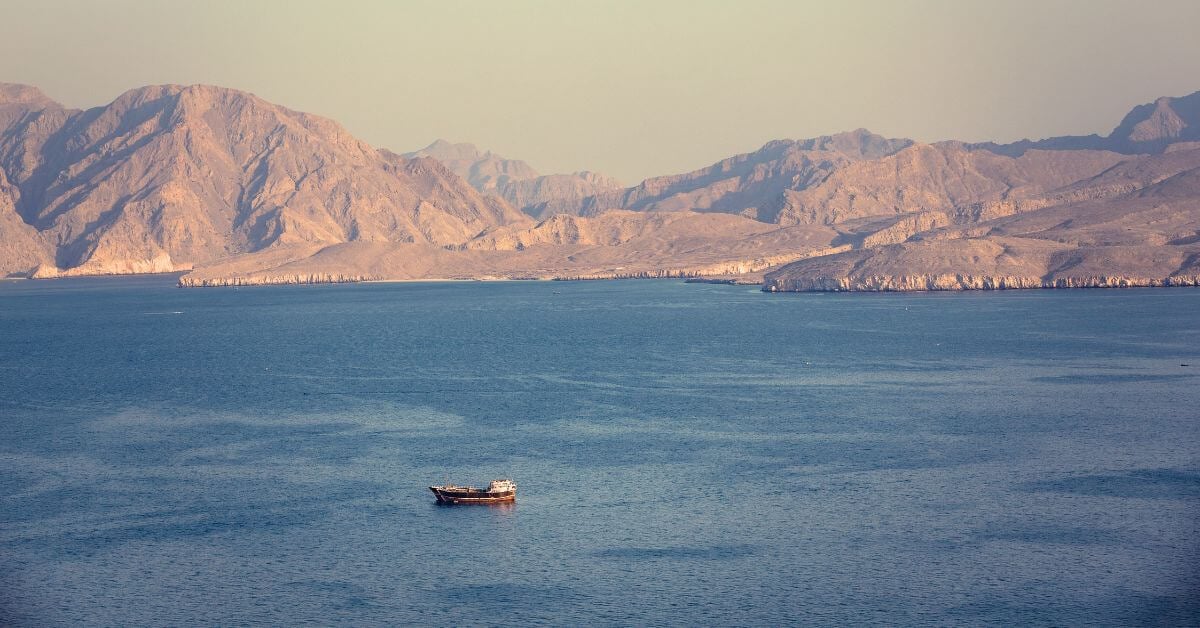
Geopolitical Shifts: Strait of Hormuz Renaming Proposal Sparks Debate
A proposal to rename the Strait of Hormuz has injected geopolitical friction into one of the world's most vital maritime chokepoints. President Trump asserted U.S. control over the strait on Truth Social, questioning whether it should be rebranded. The debate is more than symbolic; it carries real implications for shipping and energy security. For context on the region's mounting pressures, our piece on Gulf of Oman STS transfers maxing out offers a grounded look at the logistical strains nearby. Measured analysis matters here, not hyperbole.
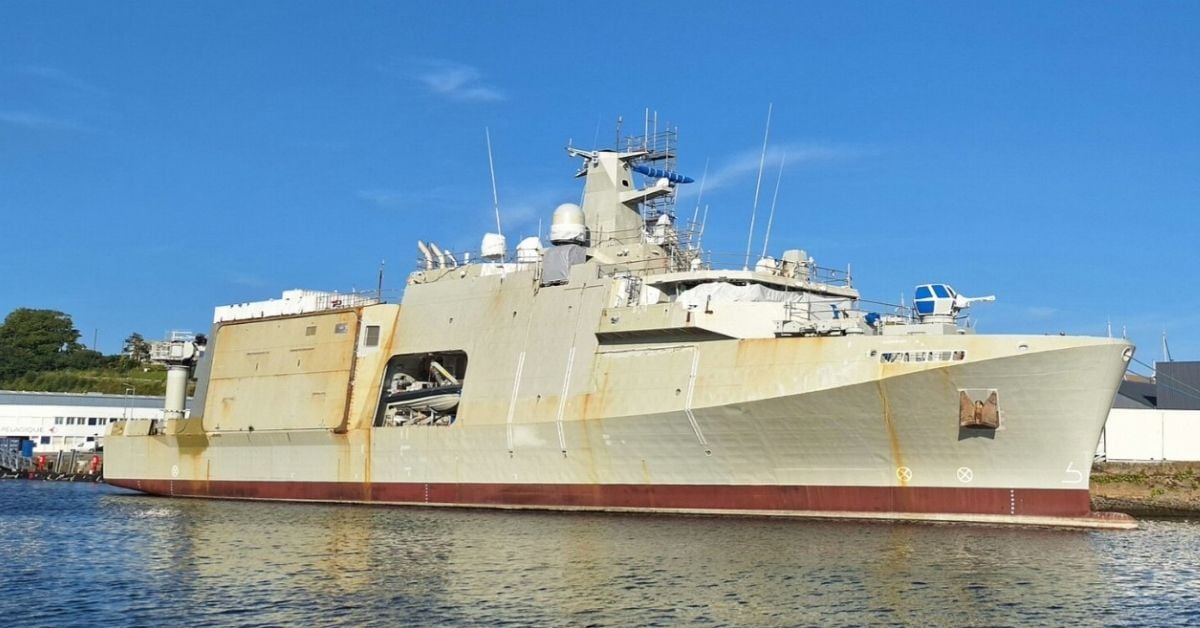
Bolstering Black Sea Security: Bulgaria Acquires Minehunters for Maritime Protection
Bulgaria is adding seven minehunters from Belgium and the Netherlands to its naval arsenal, a measured step toward securing Black Sea shipping lanes against naval mines. This acquisition is less about spectacle and more about practical defense, addressing a real and present hazard to commercial traffic. It is a sensible move, though one that also signals how tense the region has become. For broader context on Moscow's maritime ambitions, our piece on Russia's Arctic export plans offers a useful counterpoint.

Decommissioning Giant: Heavy-Lift Vessel Transfers Platform for North Sea Recycling
A heavy-lift vessel has transferred a North Sea platform for onshore recycling, a project expected to span roughly 18 months with 12 to 14 months dedicated to demolition. This is the kind of measured, industrial precision that defines responsible decommissioning. It is not flashy work, but it is necessary. The scale demands patience and calibration, and the timeline reflects that.

Easing Tensions: Iran Permits Iraqi Oil Tankers Through Strait of Hormuz
Iran's decision to permit some Iraqi oil tankers through the Strait of Hormuz follows repeated diplomatic requests from Baghdad, a measured step toward reducing friction in a waterway that carries a fifth of global oil supply. The move signals pragmatism, not capitulation, and it aligns with broader efforts to stabilize regional energy flows. For those tracking the Gulf's intricate logistics, this is a welcome, if conditional, easing.

Mundra Port Facilitates Record Edible Oil Delivery from Argentina.
Mundra Port has set a new benchmark with the record edible oil delivery from Argentina, discharged through its liquid bulk infrastructure under established safety protocols. It's a straightforward demonstration of operational precision aligning with global trade demands. For readers tracking maritime momentum, our coverage of Paradip Port's recent designation as a mega port offers useful context on regional growth. Together, these developments underscore India's expanding role in efficient, reliable cargo handling.