paleoclimate
paleoclimate on World Data Ocean: a running collection of 4 stories we have gathered and hand-picked because they are worth your time. Every post here touches on paleoclimate in some way — the news, the analysis, the deep dives, and the occasional surprise find. A Global Hub for Ocean Intelligence 4 World Data Ocean is a centralized digital platform where researchers, scientists, and ocean enthusiasts converge to explore, analyze, and… New stories are added to this page as we find them, so check back if you want to keep up with what is happening around paleoclimate, or subscribe to the RSS feed to get them as soon as they are published. Browse the collection below, or head back to the homepage to see everything World Data Ocean is covering right now.

Mapped: How ‘proxy’ data reveals the climate of the Earth’s distant past - Carbon Brief
Reconstructing Earth’s climate history extends far beyond direct measurements. Carbon Brief’s “Mapped: How ‘proxy’ data reveals the climate of the Earth’s distant past” details how scientists utilize empirical data—known as “proxies”—from sources like ice cores and sediment layers to validate climate models and understand long-term trends. These calibrated proxies provide longitudinal records, offering invaluable ocean intelligence. For deeper insights into related Earth systems processes, explore our article, “Forces deep inside Earth helped Antarctica freeze before the Arctic.”
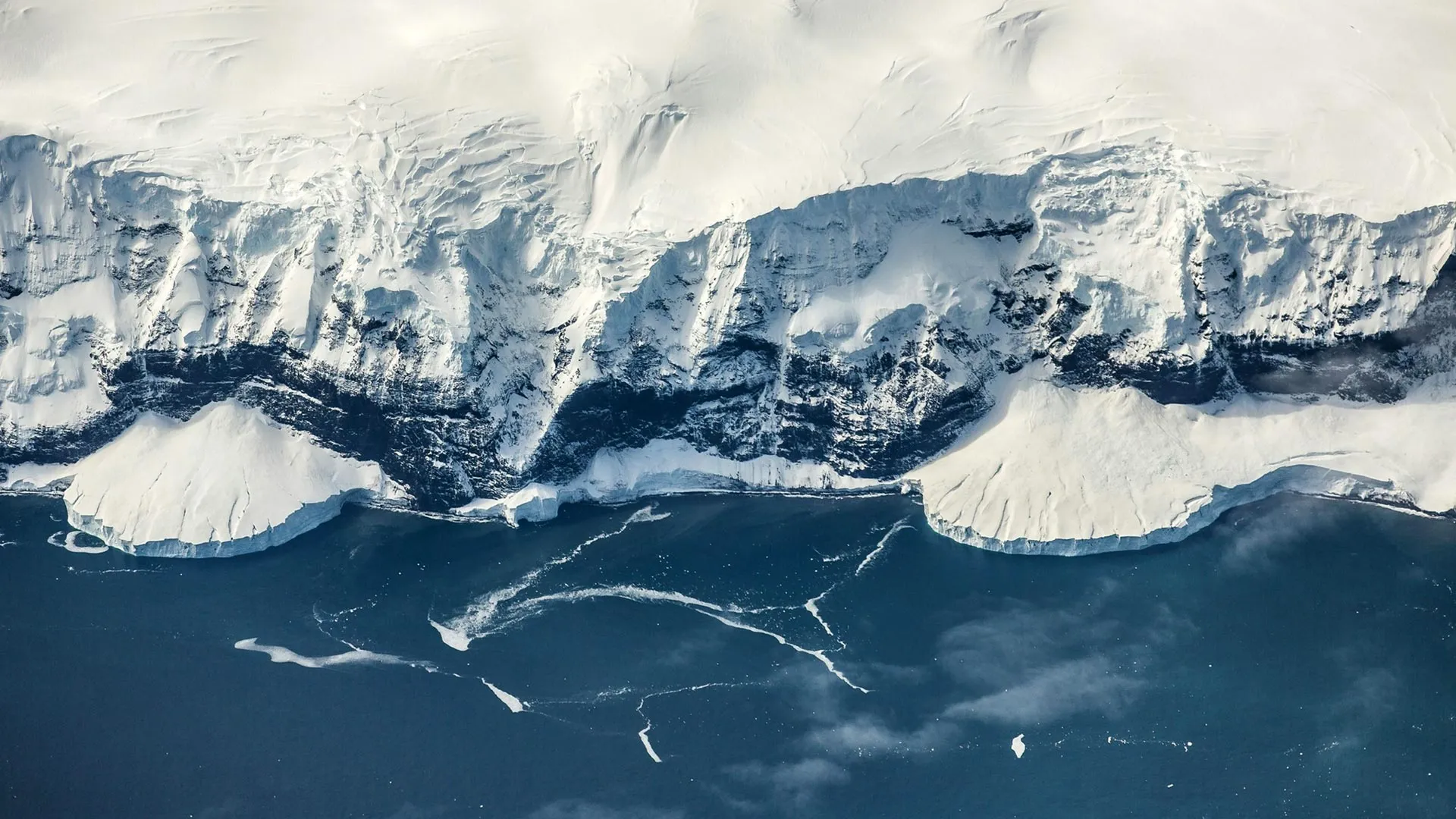
Forces deep inside Earth helped Antarctica freeze before the Arctic
Scientists have advanced our understanding of Antarctica’s early glaciation, positing that deep Earth forces played a pivotal role. Empirical evidence suggests slow-moving waves within the Earth gradually uplifted East Antarctica, creating a high-altitude plateau conducive to ice accumulation millions of years prior to the Arctic's freeze. This elevation facilitated snow and ice survival even during warmer periods, and once established, glacial surfaces amplified cooling through increased solar reflection.
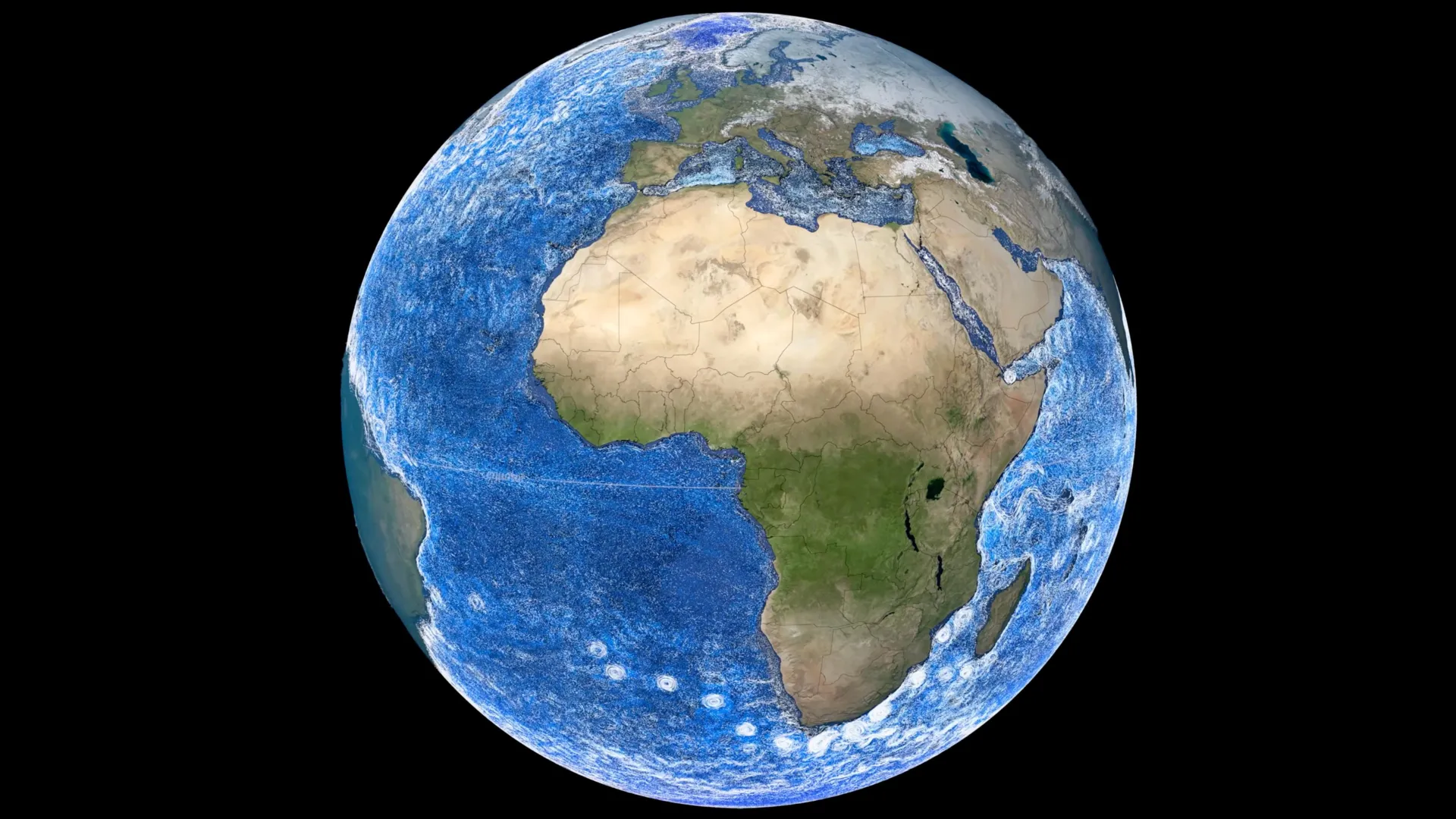
The AMOC stayed strong even as a major ocean “lifeline” nearly shut down
Recent analysis of ancient seafloor sediments has revealed a surprising resilience within the Atlantic Meridional Overturning Circulation (AMOC). Contrary to expectations, the AMOC remained robust even as a critical influx of warm, salty water from the Indian Ocean nearly ceased 3.4 million years ago—a period of significant climate cooling. Notably, certain components of this vital overturning circulation even strengthened.
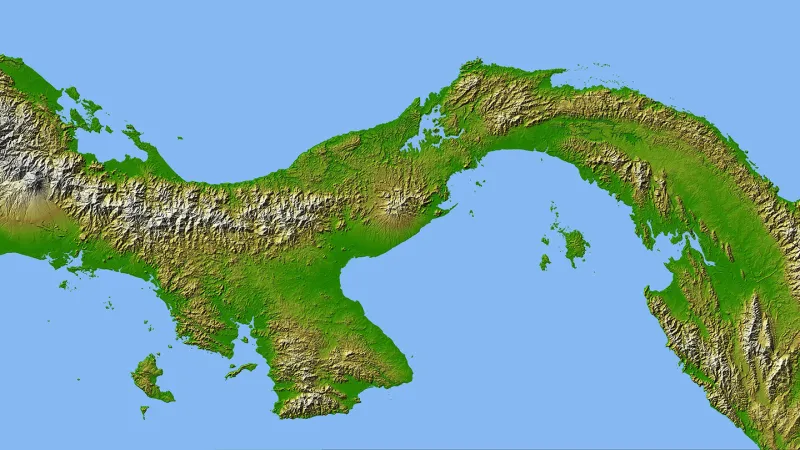
Mammals moving between the Americas stopped over in Mexico
Recent research indicates that ancient mammals traversed the Isthmus of Panama with greater ease than previously understood, utilizing Mexico as a crucial migratory corridor. Empirical data suggests a more favorable climate in Mexico facilitated movement between North and South America. This longitudinal study provides valuable insight into prehistoric biogeography, highlighting the critical role of regional climate patterns. For further exploration of oceanographic research and discovery, see our recent report, "Camera 1: 2026 Cook Islands ROV Exploration (EX2605)."