operational costs
World Data Ocean keeps operational costs in one place: 6 stories so far. The section currently leads with “Chartering tankers through Hormuz to secure India's oil supply chains”, “Reduced Canal Crossings: Climate Impacts Threaten Global Trade Flows”, and “Expanding India's Fleet: A Push for Maritime Independence and Cost Parity”. India's refiners are chartering tankers through the Strait of Hormuz, a calculated response to rising risk in a waterway that moves a fifth of global oil. Reduced canal crossings now stand at just 29 per day. A Global Hub for Ocean Intelligence 4 World Data Ocean is a centralized digital platform where researchers, scientists, and ocean enthusiasts converge to… The list below is every operational costs story on World Data Ocean, newest first.
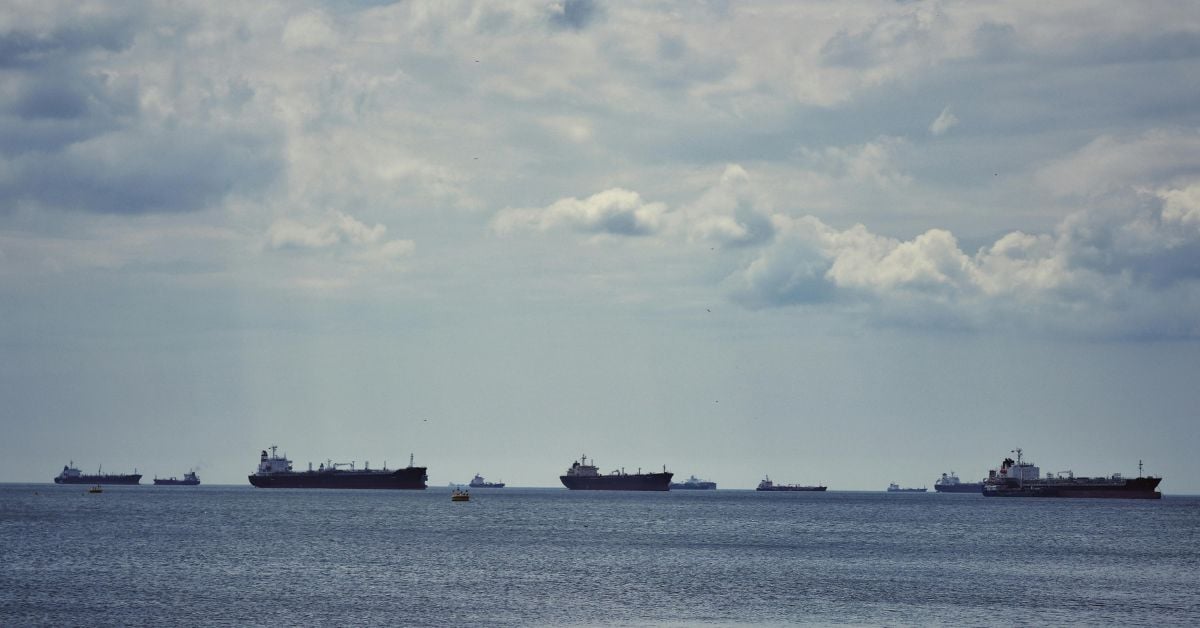
Chartering tankers through Hormuz to secure India's oil supply chains
India's refiners are chartering tankers through the Strait of Hormuz, a calculated response to rising risk in a waterway that moves a fifth of global oil. Rather than deploying their own vessels, they are shifting procurement strategy to secure supply chains with measurable precision. This is not alarm, it is calibrated adaptation. For deeper context on how these disruptions are reshaping global routes, see our related coverage of rising Red Sea crude flows.
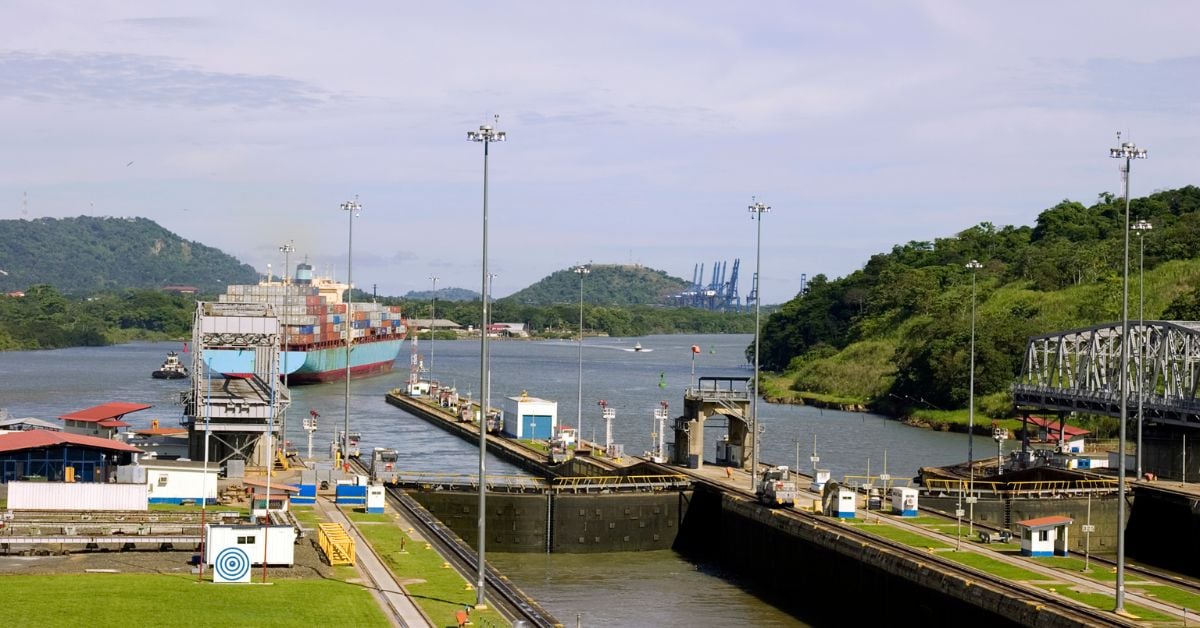
Reduced Canal Crossings: Climate Impacts Threaten Global Trade Flows
Reduced canal crossings now stand at just 29 per day. Drought and low rainfall are tightening the Panama Canal's capacity, a measurable strain on global trade flows that demands empirical attention. This is not an isolated pressure point. Our coverage of "Russia Calibrates Export Revenue for Northern Sea Route Icebreaker Fleet" shows how nations are already recalibrating infrastructure in response. Climate indicators are reshaping maritime logistics. Understanding these integrated disruptions is the first step toward protecting the systems we depend on.
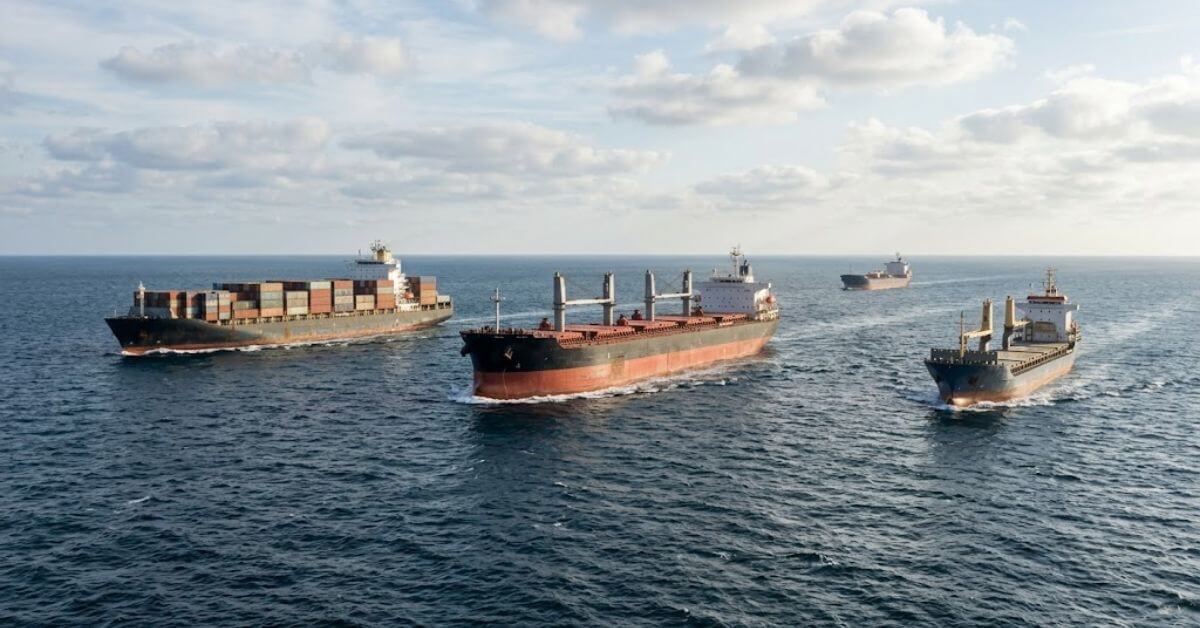
Expanding India's Fleet: A Push for Maritime Independence and Cost Parity
Indian ship owners face a 16-20% cost penalty flying the national flag, a gap that undermines maritime self-reliance before it can scale. Closing that differential is not merely fiscal; it is strategic. Lower operational costs would shift tonnage back to Indian registry, strengthening supply-chain security and bargaining power. The push toward cost parity aligns with broader regional momentum, including Russia's calibrated export levies for its icebreaker fleet. This is a practical, measurable step toward independence, and one worth watching closely.

Port Delays Surge: Global Congestion Impacts Freight Rates and Operations
Port congestion is no longer a logistical footnote; it is a primary lever on global freight rates. Longer waiting times at anchor translate directly into longer turnaround times for vessels, and that idling carries a measurable cost. The result is an escalation in freight rates and operational expenses that ripples through every supply chain. This is the friction of a system operating at its limits. While record port activity reflects surging Chinese exports amid trade uncertainty, the operational strain is undeniable.

Nigeria Ports Gain U.S. Access: Shipping Costs Set to Decrease
A decade of restricted access ends as the U.S. lifts its safety and security restrictions on Nigerian ports. The move targets reduced shipping costs and a stronger competitive position for a nation long hampered by compliance gaps. It is a practical win for trade efficiency, not a symbolic one. The decision signals measured confidence in Nigeria's maritime oversight. For context on broader maritime shifts, our coverage of India's planned naval expansion offers a timely comparison.

Advancing Tuna Fisheries Monitoring Through Electronic Data Ecosystems
Electronic monitoring systems are no longer optional for tuna longline fisheries; they are becoming the backbone of credible, real-time ocean intelligence. This systematic review cuts through the noise, examining how hardware, algorithms, and system architectures are converging to solve persistent gaps in human observer coverage and data timeliness. The comparative analysis across the EU, North America, Pacific Island countries, and China is particularly telling.