offshore wind farm
World Data Ocean keeps offshore wind farm in one place: 8 stories so far. The section currently leads with “Ørsted consolidates ownership of 172 MW Gunfleet Sands in UK waters”, “76 Turbines Stand in Baltic Sea as Poland's Offshore Wind Takes Shape”, and “Precision at sea advances Asia-Pacific offshore wind by 2029”. Ørsted is consolidating its ownership of the 172 MW Gunfleet Sands 1 & 2 offshore wind farm in UK waters, acquiring full control for GBP 15 million. Seventy-six turbines now stand in the Baltic Sea, and Poland's offshore wind sector has crossed a threshold that took years to reach. A Global Hub for Ocean Intelligence 4 World Data Ocean is a centralized digital platform where researchers, scientists, and ocean enthusiasts converge to… The list below is every offshore wind farm story on World Data Ocean, newest first.
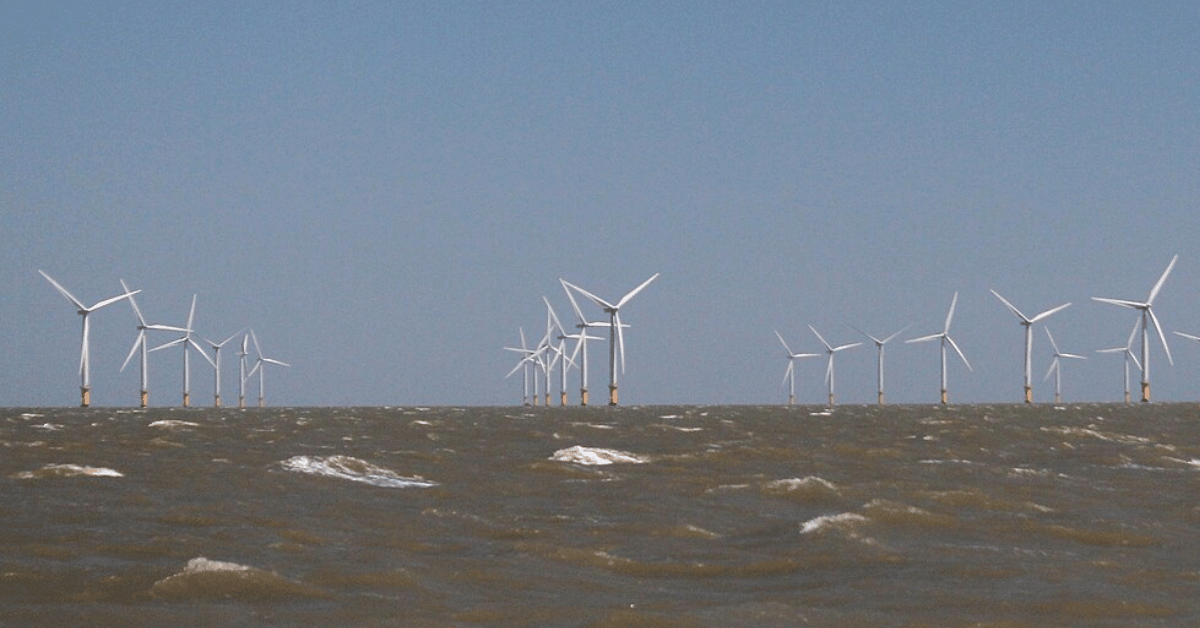
Ørsted consolidates ownership of 172 MW Gunfleet Sands in UK waters
Ørsted is consolidating its ownership of the 172 MW Gunfleet Sands 1 & 2 offshore wind farm in UK waters, acquiring full control for GBP 15 million. This strategic move reflects a measured, long-term commitment to operational efficiency and integrated energy systems. Such validated steps toward ownership stability are essential for building a reliable ocean intelligence ecosystem. For deeper context on global energy transitions, see our related coverage on how Australia accelerates its energy transition with measurable gains in solar and wind.
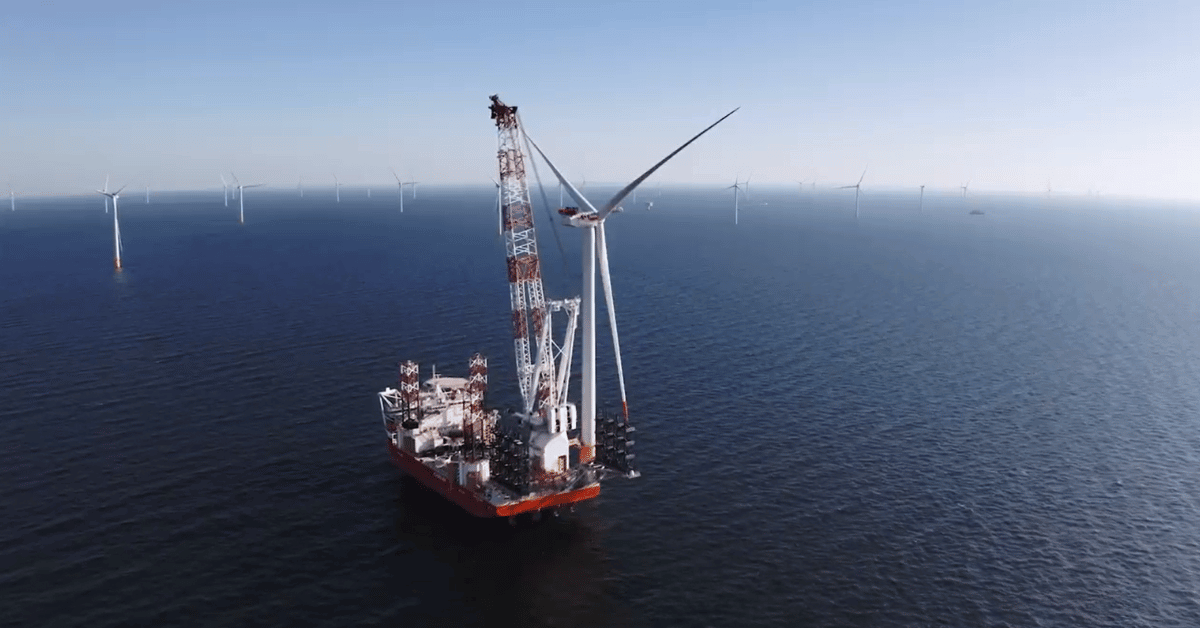
76 Turbines Stand in Baltic Sea as Poland's Offshore Wind Takes Shape
Seventy-six turbines now stand in the Baltic Sea, and Poland's offshore wind sector has crossed a threshold that took years to reach. Cadeler's completion of installation at the 1.2 GW Baltic Power farm signals measurable progress, not just in megawatts, but in the integrated data ecosystems that will monitor these waters for decades. This is empirical momentum, the kind that makes energy transition tangible. For deeper context on how subsea operations validate such builds, see our piece on the wind-powered data center calibrated at sea.
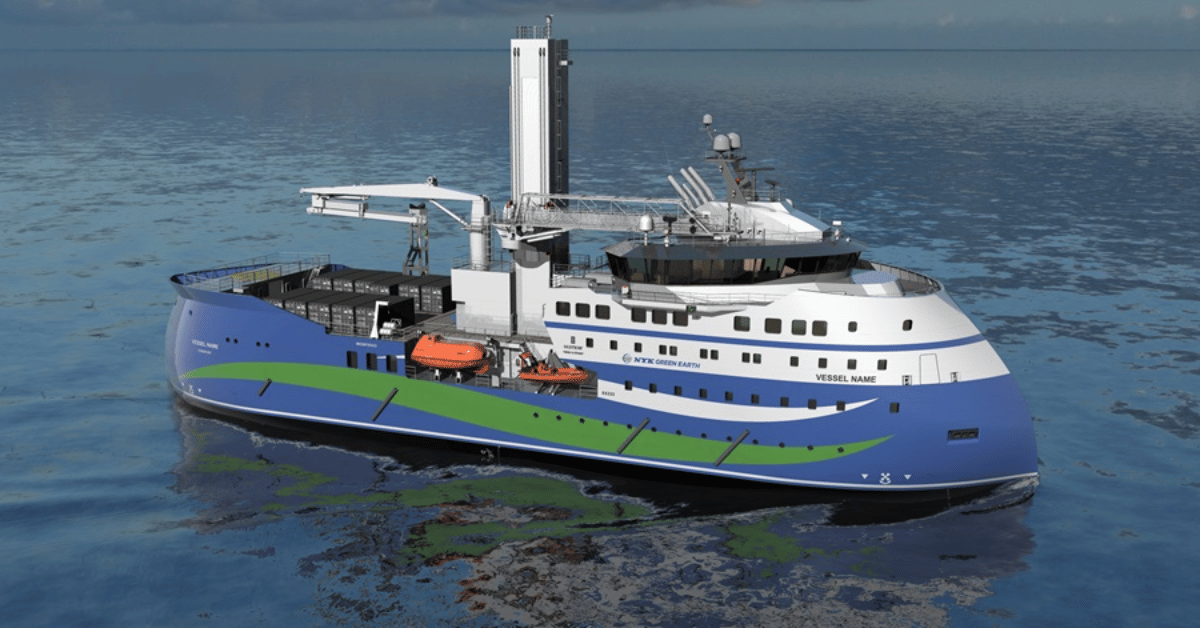
Precision at sea advances Asia-Pacific offshore wind by 2029
A new Service Operation Vessel ordered by NYK will bring precision to Asia-Pacific offshore wind by 2029, supporting projects off Taiwan. This is measured progress, calibrated investment in the vessels and data systems needed to build reliable ocean energy infrastructure. Understanding drives protection, and real-time operational intelligence at sea validates that commitment. For deeper context on regional maritime stakes, see our coverage of the recent Taiwanese supersonic missile exercise.
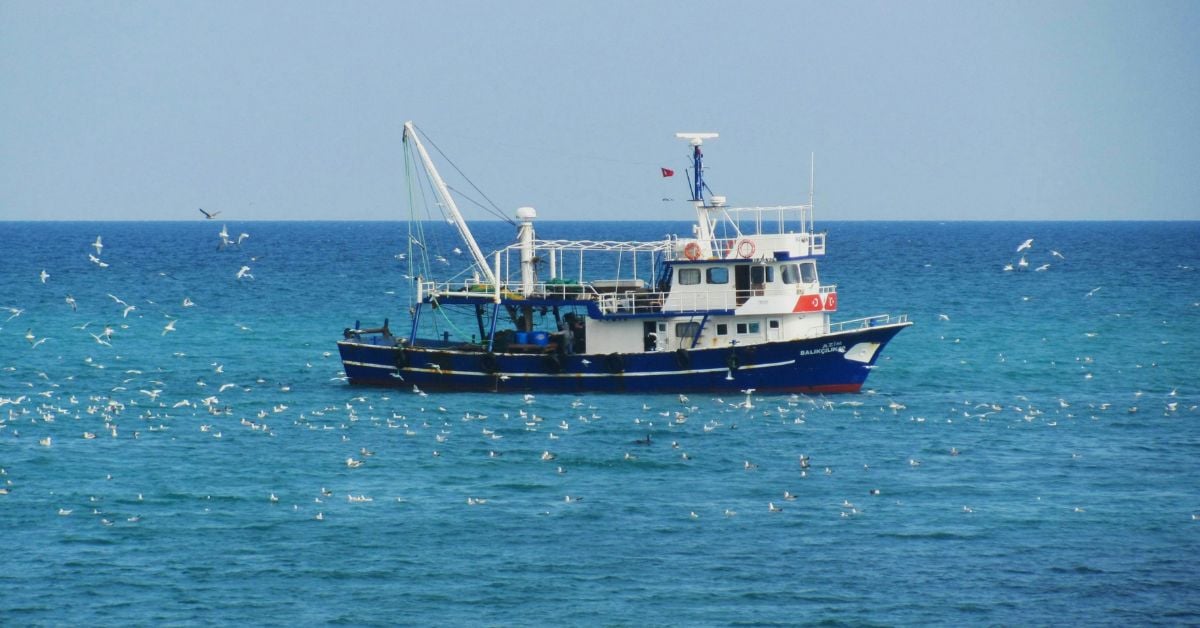
Submerged Fishing Vessel Located, Human Remains Identified
More than five years after the *Emory Jay* went down off Rhode Island on New Year's Day 2019, the vessel has been located, along with human remains identified as one of the fishermen. Closure, even partial, is a form of progress, but it underscores how slowly the sea surrenders its answers. This find is a reminder that ocean intelligence is built on persistence.
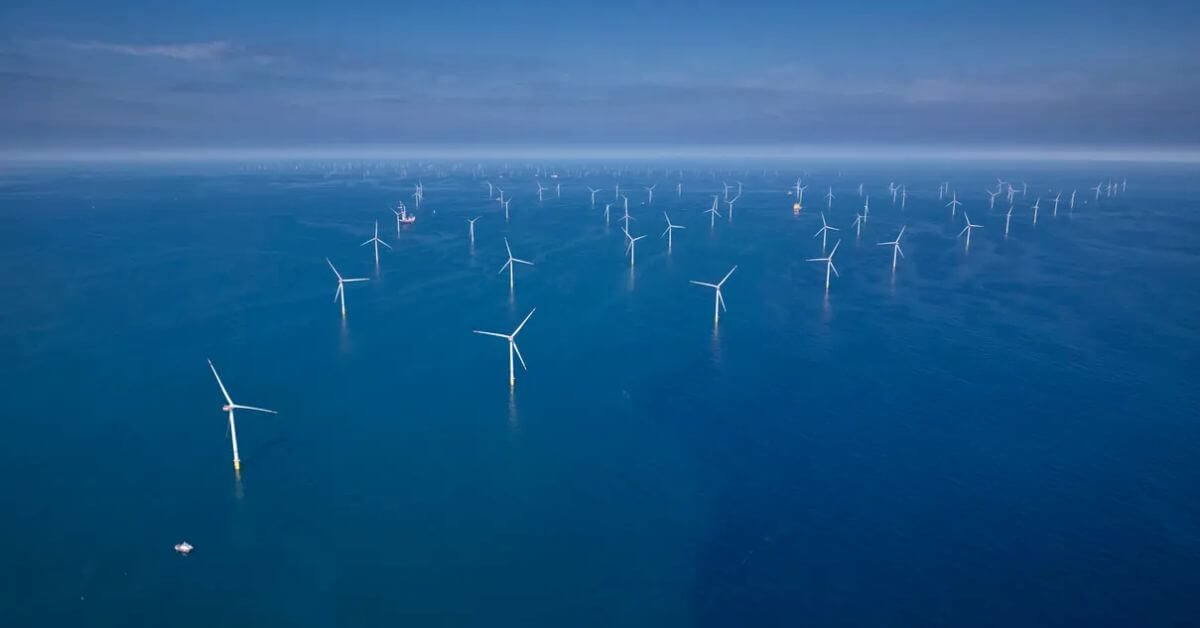
He Dreiht Wind Farm Powers German Grid, Boosting Renewable Capacity
The first turbines at the 960-megawatt He Dreiht offshore wind farm are now delivering electricity to the German grid, marking a substantial step in the country's renewable transition. This North Sea project demonstrates how measured, large-scale infrastructure can integrate clean power without theatrics. Germany's commitment to empirical progress is evident here. For broader context on how such energy shifts interact with marine policy, our related coverage, including the recent offshore lease reversal, offers a fuller picture. This is steady, data-driven advancement.

Taiwan Wind Farm Turbine Incident Highlights Offshore Reliability Challenges
A 14 MW turbine at Orsted's Greater Changhua 4 wind farm halted operations before catching fire, a sequence that underscores the unforgiving nature of offshore maintenance. Reliability, not just capacity, defines progress in this sector. When a machine fails in a marine environment, the response time and root-cause analysis become as critical as the initial engineering. This incident is a measured reminder that operational resilience lags behind turbine size.

Laboratory Study Quantifies Slurry Protection Against Monopile Scour
Slurry behavior under flow is not uniform, and this laboratory work proves why grouting position matters. Testing a 1:100 flume model of an eastern Zhejiang wind farm, the study shows that at V/Vc = 0.60, upstream and side grouting fragmented into pieces traveling up to 14.9D, while downstream grouting held. The cured layer lost under 1% mass even at live-bed conditions. This is the kind of empirical, site-bounded evidence engineers need when designing scour protection.

Rotor Blade Recovery Highlights North Sea Monitoring Challenges
A drifting rotor blade in the North Sea is a blunt reminder that offshore infrastructure demands constant vigilance. The German Federal Police and Waterways and Shipping Administration moved swiftly to recover the broken component, yet the incident underscores how dynamic and unforgiving these waters remain. Recovery is one thing; prevention is another. For readers tracking maritime risks, our coverage of the *Strait of Hormuz Incidents* offers a parallel look at how quickly debris can threaten navigation.