offshore
World Data Ocean keeps offshore in one place: 12 stories so far. The section currently leads with “Floating data centers anchor ocean intelligence to existing port infrastructure”, “Calibrated at sea: wind-powered data center validates subsea operations”, and “Unidentified Skeleton on Puerto Rico Coast Stumps Local Experts”. NYK and three partners have designed a port-based floating data center that anchors ocean intelligence directly to existing infrastructure. A wind-powered data center, calibrated at sea, is now validating subsea operations from the ocean floor. A Global Hub for Ocean Intelligence 4 World Data Ocean is a centralized digital platform where researchers, scientists, and ocean enthusiasts converge to… The list below is every offshore story on World Data Ocean, newest first.
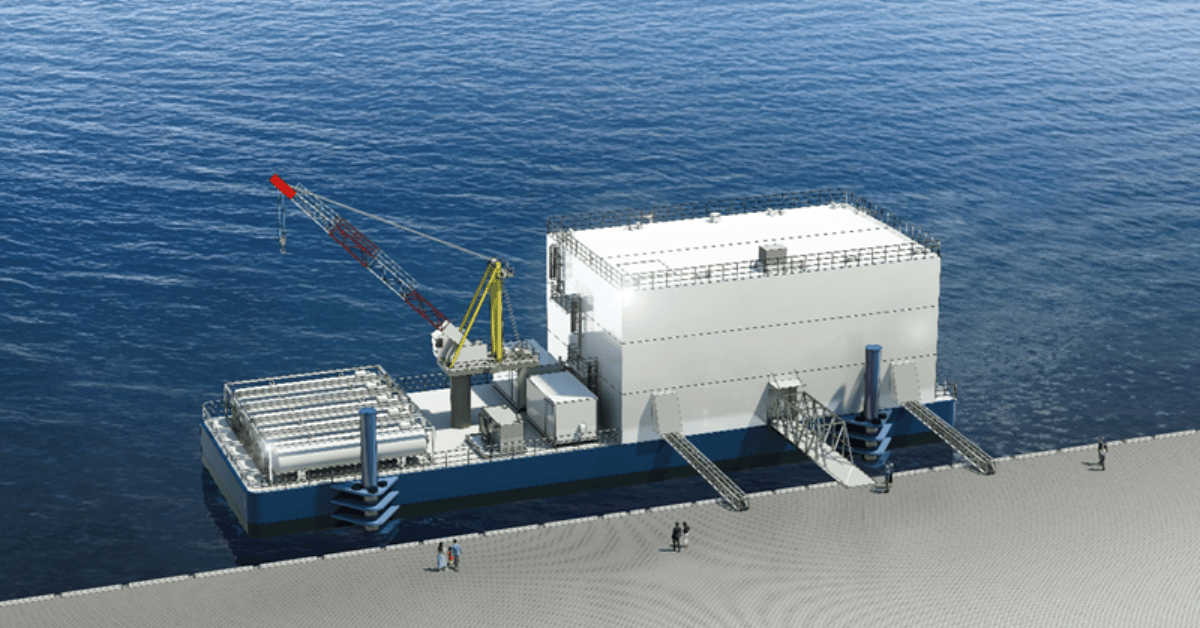
Floating data centers anchor ocean intelligence to existing port infrastructure
NYK and three partners have designed a port-based floating data center that anchors ocean intelligence directly to existing infrastructure. By integrating real-time computing capacity where ships already dock, this concept transforms coastal ports into nodes of an integrated data ecosystem. The approach is practical, measurable, and avoids the hype of unproven offshore installations. For readers tracking parallel innovation in marine energy, our coverage of Belgium's First Artificial Energy Island offers a complementary look at how infrastructure is being recalibrated for a changing climate.
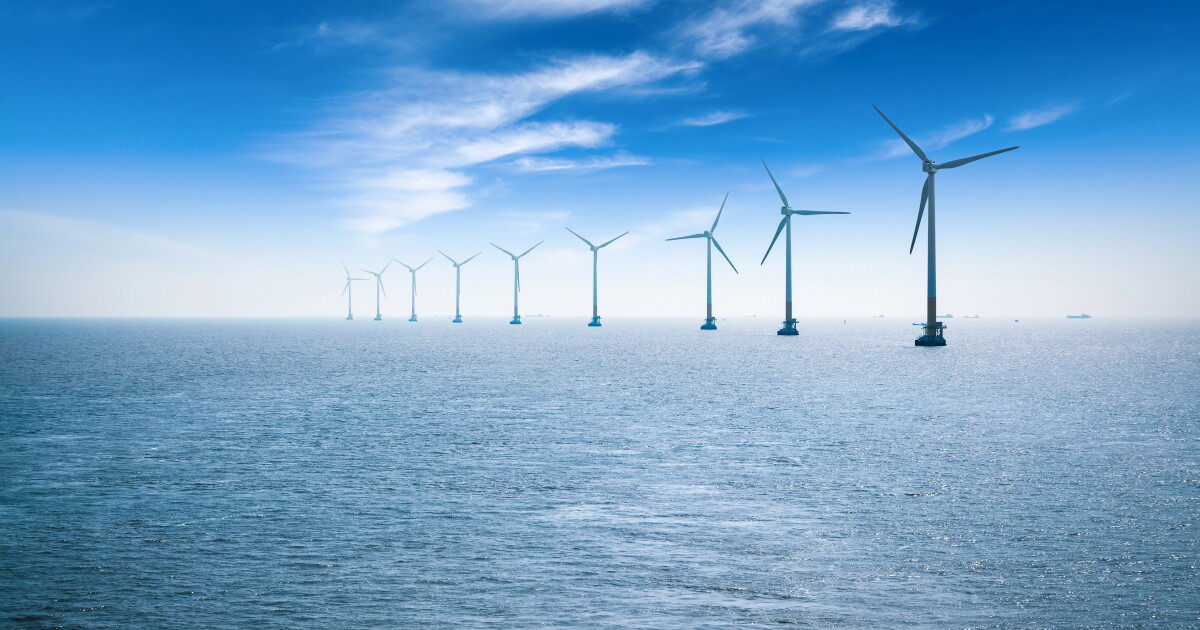
Calibrated at sea: wind-powered data center validates subsea operations
A wind-powered data center, calibrated at sea, is now validating subsea operations from the ocean floor. This is not a prototype; it is an operational, integrated data ecosystem delivering real-time, measurable results. The achievement underscores a fundamental truth: understanding drives protection. For deeper context on how shifting marine conditions challenge our assumptions, see our coverage of the shallow-water coral sighting near Naxos. From orbit to ocean floor, empirical observation remains our most calibrated instrument.

Unidentified Skeleton on Puerto Rico Coast Stumps Local Experts
An eight-inch skull and vertebrae nearly the size of your palm, pulled from the same stretch of Puerto Rico's west coast, have left even the pros guessing. The fishermen on the beach were stumped. So was the NOAA contact who saw the photos. Google's image search suggests a drum fish, but the Caribbean species we know run small. This was dense, heavy, and undeniably out of place. Sometimes the ocean reminds us how much remains unmeasured.
Integrating Data Infrastructure with Ocean Ecosystems: A Calibrated Approach
The seafloor is not a passive highway for data; it is a living system that demands calibration. This submission recognizes that integrating infrastructure with ocean ecosystems requires more than laying cables, it requires measuring impact with empirical rigor. We support this approach because it treats the ocean as a partner, not a conduit. Related coverage, such as our piece on integrated subsea cables across the Indian Ocean, reinforces the stakes. Understanding drives protection, and this work gets that sequence right.
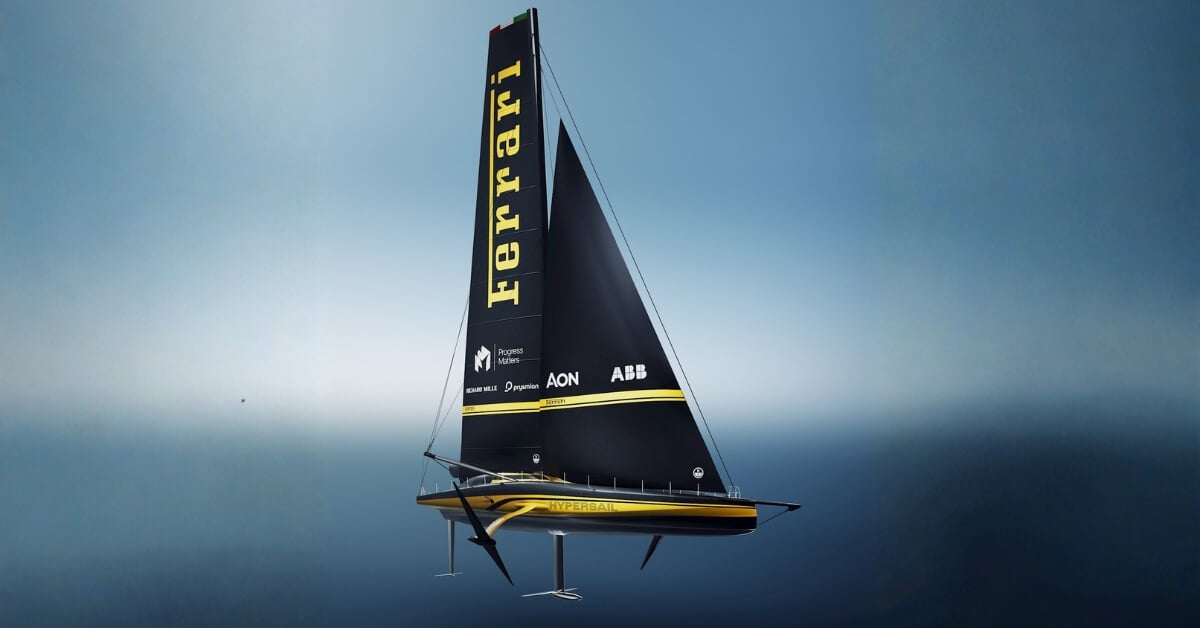
Electrification and Innovation Redefine Ocean Sailing with Hypersail Yacht
ABB's electrification expertise now powers Ferrari Hypersail's bold pursuit of offshore records, pairing validated marine technology with the drive to redefine what sailing can achieve. This partnership signals a measured step forward, where performance and sustainability share the same keel. We see it as a practical response to a pressing need: cleaner propulsion without compromise.

California Sighting: Identifying Potential Porpoises Off Dana Point Coast
A 50-mile offshore sighting near Dana Point leaves room for genuine uncertainty. The captain's call was porpoises, but the observer's hesitation is warranted; without sharper imagery, confirmation stays elusive. That caution matters. In ocean observation, validated identification begins with calibrated records, and this query models the right instinct: ask, verify, and share. For readers tracking similar marine puzzles, our related piece on the unexpected chiton discovery off Puerto Rico underscores how often species distribution models meet their exceptions.

Wind-Powered Data Hub Monitors Ocean Health in Real-Time, China.
In the South China Sea, the world's first wind-powered underwater data centre is now operational, marking a calibrated step toward integrating renewable energy with ocean intelligence. This is not a distant concept; it is a live, peer-reviewed example of how real-time climate indicators can be measured from the seabed. The innovation is purposeful, and its implications for global data ecosystems are significant.
Ocean Carbon Data Expands, Driving Climate Insights and Stewardship.
Newly released SOCAT and GLODAP datasets give researchers a sharper read on ocean carbon, and that clarity matters. NOAA's latest update strengthens our ability to track climate indicators with empirical rigor, turning scattered observations into an integrated data ecosystem. This is ocean intelligence in action: measured, validated, and ready to inform stewardship. For those exploring how such calibrated data flows into broader discovery efforts, our related piece on integrated data discovery offers a useful next step. The science is solid, and the timing feels right.

Integrated Vessel: Power, Data, and Water—A New Era for Ocean Intelligence
A single vessel now moves beyond transport to become infrastructure: Optimal Transit has built a ship that functions as a floating AI data centre, a clean power source for coastal grids, and a drinking water plant for thousands. It is a practical answer to two pressures at once: the rising energy demand of computation and the tightening limits of freshwater supply. The ocean is finally doing more than carrying cargo.

Maritime Surveillance Detects and Neutralizes Russian-Designed Drones Near Romanian Gas Hub
A civilian vessel on routine patrol near Romania's exclusive economic zone detected and neutralized Russian-designed drones approaching a critical gas hub. The incident underscores how maritime surveillance remains a frontline defense for energy infrastructure. Precision and readiness defined the response. The threat was identified, contained, and eliminated without escalation. For broader context on regional instability, our coverage of the Vostok Project's Arctic oil exports offers a parallel look at how geopolitical tensions reshape energy routes. Vigilance, not alarm, guides these operations.

Validated Design Paves Way for Ocean-Based Data Centers
Classification societies and shipbuilders rarely agree on the abstract, but ABS and Samsung Heavy Industries have now aligned on something concrete: floating data centers are viable. Their newly validated design, announced in two milestones, moves ocean-based computing from concept toward class approval. This matters because data infrastructure is increasingly landlocked by energy and cooling demands. The ocean offers a calibrated alternative, though real-world deployment will test the design's mettle.

Balancing Resources and Pacific Concerns: Critical Minerals Leasing Advances
Acting MMA Director Matt Giacona's warning lands with the weight it deserves: critical minerals are no longer a niche resource but a strategic lever in a competitive global arena. This move to advance leasing balances resource security with Pacific concerns, a calibration we find both pragmatic and overdue. The pressure is measurable, and the response must be equally precise. For readers tracking how resource flows reshape regions, our piece on the Gulf of Oman STS transfers maxing out offers a useful parallel. Understanding drives protection.